Total Local Marketing

Author name: Icarus

Reputation

Manage Your Reputation

The Power of Reputation Management for Small Businesses Why Reputation Management Matters In a digital-first world, your business’s reputation is always on display. By being proactive and consistent in managing your reputation, you’ll create a positive impression that lasts and keeps customers coming back. Small efforts in reputation management today can lead to big rewards for your business in the future. First Impressions Are Online – When potential customers search for your business, their first stop is often online reviews. According to recent studies, 93% of consumers read online reviews before making a purchase decision. Your online reputation sets the tone for how people see your business, whether they’ve visited you or not. Trust is Everything – Customers are more likely to do business with companies they trust, and positive reviews build that trust. In fact, businesses with excellent online reputations can charge more for their products or services because people are willing to pay for the assurance of quality. Word of Mouth is Digital  – In the past, word-of-mouth marketing happened in person, but now it happens online through social media, review platforms, and forums. Managing your reputation ensures that the online conversations about your business are positive and reflect the quality of products or services that you provide. The Long-Term Benefits of Reputation Management For small businesses, reputation management is about building a foundation of trust and credibility. By actively engaging with customers, monitoring feedback, and promoting your strengths, you can take control of your online image and grow your business.
Interest

Turn Interest into Action

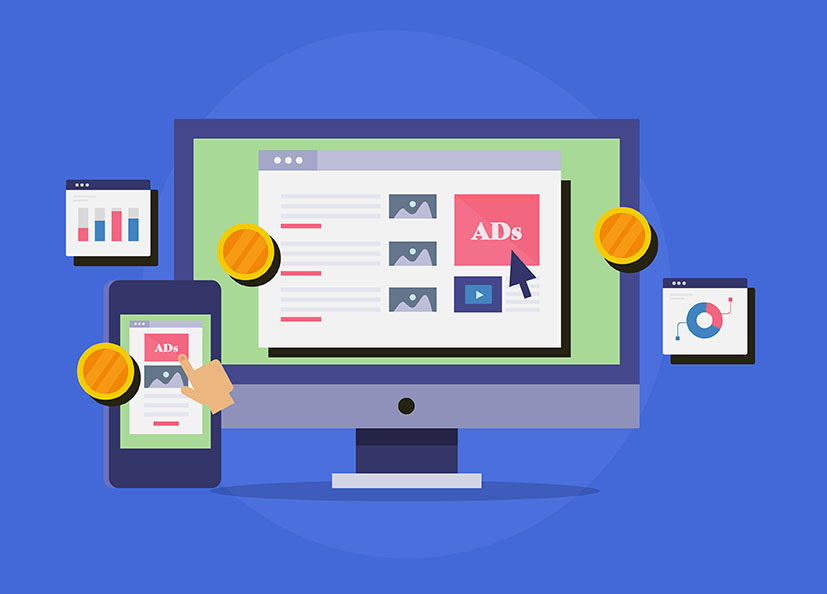
Turning Interest into Action: The Power of Retargeting Ads Converting “Window Shoppers” into Buyers Retargeting ads are an essential tool in your digital marketing arsenal. It’s common for potential customers to visit a website, browse products or services, and then leave without contacting you or making a purchase. These are your “window shoppers.” They’ve shown interest but haven’t yet converted into buyers. Retargeting ads are a powerful tool to bring these visitors back and turn their interest into action. What Are Retargeting Ads? Retargeting ads, also known as remarketing ads, are a form of online advertising that targets users who have previously interacted with your website or app. When a visitor leaves your site without completing a desired action—such as making a purchase or filling out a contact form—retargeting ads work by displaying your ads to them as they browse other websites or social media platforms. These ads act as gentle reminders, nudging potential customers to return to your site to give you a call or complete the transaction. By keeping your brand top-of-mind, retargeting ads can significantly increase your chances of converting window shoppers into buyers. How Retargeting Ads Work The process begins by adding a small piece of code, called a tracking pixel, to your website. When a user visits your website the code tags them and enables you to follow them across the web. When this user visits other sites or scrolls through their social media feeds, they’ll see your retargeting ads, showcasing the products or services they visited on your site. These ads can be highly customized based on the user’s behavior on your site. For example, if someone added an item to their shopping cart, but didn’t check out, you can show them ads featuring that exact item with an enticing discount or limited-time offer to encourage them to complete the purchase. Why Retargeting Ads Are Effective Recapturing Lost Opportunities: On average, only about 2% of website visitors convert on their first visit. Retargeting ads allow you to engage with the remaining 98% of visitors who have shown interest, but haven’t yet made a decision. Increased Brand Recall: Retargeting ads keep your brand in front of potential customers. This repeated exposure builds familiarity and trust, which are crucial factors in the decision-making process. Personalization: With retargeting, you can tailor your ads to match the specific interests of your audience. Personalized ads resonate more with users, increasing the likelihood of conversion. Cost-Effective: Retargeting focuses your advertising budget on individuals who have already shown an interest in your offerings, making it a more cost-effective way to drive conversions. Segment Your Audience: Not all window shoppers are the same. Segment your audience based on their behavior, such as visitors who viewed a product page versus those who abandoned their cart. Create tailored ad campaigns for each group. Create Compelling Ad Copy and Visuals: Your ads should be visually appealing and include a clear call to action. Use language that speaks directly to the user’s experience, such as “Still interested in [Product/Service]? [Get it/Call] today!” Set Frequency Caps: While it’s important to stay top-of-mind, you don’t want to annoy your audience with too many ads. Set frequency caps to limit the number of times your ads are shown to the same user. Offer Incentives: Encourage conversions by offering discounts, free shipping, or other incentives in your retargeting ads. A special offer can be the final push a window shopper needs to make a purchase. Monitor and Optimize: Continuously track the performance of your retargeting campaigns. Use the data to make adjustments and improve your strategy over time. Best Practices for Retargeting Ads By strategically targeting users who have already expressed interest in your products or services, you can turn hesitant window shoppers into loyal customers. With the right approach, retargeting ads can boost your conversion rates, enhance brand recall, and ultimately drive more sales.

Facebook's Algorithm

Improve Facebook Engagement

Maximizing Your Facebook Presence Using Facebook’s Algorithm to Boost Engagement, Reach, Clicks, and Follows Facebook’s algorithm prioritizes content that fosters meaningful interactions and keeps users engaged on the platform. Using a variety of the tools Facebook provides improves your chances of being seen by your audiences on the platform. Engaging Content (Especially Visual and Interactive) Facebook’s algorithm highly prioritizes video content, especially live videos, because they encourage longer viewing times and more interaction. Live videos also tend to generate more comments and reactions, which signals to the algorithm that the content is engaging. High-quality images, infographics, and videos naturally attract more attention and interaction, which the algorithm rewards. Meaningful Interactions Posts that spark meaningful conversations, such as those asking questions or inviting discussions, are ranked higher by Facebook’s algorithm. The more comments and replies a post generates, the more likely it is to be shown to a wider audience. Content that encourages active participation, like polls, questions, and quizzes, tends to perform better. The algorithm favors posts that result in longer, thoughtful comments over those that only receive likes. Facebook Groups Facebook Groups are favored by the algorithm because they foster strong community engagement. Group posts are more likely to appear in members’ news feeds, especially if they generate interaction within the group. Posts in active, highly engaged groups often rank higher, as the algorithm prioritizes content that is relevant to a specific community. Facebook Events Events that attract a lot of interaction, such as RSVPs, comments, and shares, are favored. Additionally, live streaming events via Facebook Live can boost visibility significantly. Consistent Posting and Interaction Pages that post consistently and engage regularly with their audience are more likely to see their content favored by the algorithm. Active pages that respond to comments, messages, and engage with user-generated content are prioritized. Facebook Stories Although Stories are not prioritized in the main news feed, they appear prominently at the top of users’ apps. Stories that include interactive elements like polls or questions can engage viewers and drive more activity on your page. Optimized Facebook Ads The algorithm favors ads that are relevant and targeted to the right audience. We find that paid ads perform better than “boosted” posts! Also, ads that generate good engagement (likes, shares, comments) are likely to perform better. User-Generated Content and Shares Content that users share with their own networks is given priority, as it indicates the content is valuable and engaging. Encouraging your followers to share your posts can significantly boost reach. By generating meaningful interactions, encouraging active engagement, and fostering community through Groups and Events on Facebook your business can rise to the top of pages in your industry. Remember,  video content, especially Facebook Live, is particularly powerful in achieving better algorithmic favor.

Public Relations

Grow with PR

What is Public Relations and How Can It Help Small Businesses Grow? Earned Media Attention Public relations (PR) is all about managing how your business is perceived by the public. Unlike advertising, which is paid for, PR focuses on earning positive attention through press releases, feature stories, social media, community engagement, sponsorships, and more. For small businesses, PR can be a game-changer in building a strong brand and driving growth. How PR Can Boost Your Business Increase Visibility: PR helps get your business noticed. Whether it’s a feature in a local newspaper, a mention in an industry blog, or a shoutout on social media, these earned spots put your brand in front of potential customers.  Build Trust: Being featured in reputable media or being seen as a thought leader in your industry makes your business more credible. When customers see positive mentions, they’re more likely to trust your brand.  Strengthen Customer Relationships: PR isn’t just about attracting new customers; it’s also about keeping the ones you have happy. Regular communication, engaging with your community, and responding to feedback all help build loyalty. Open New Doors: Good PR can lead to partnerships, collaborations, and other opportunities that might not have come your way otherwise. It’s all about positioning your business as an active, engaged part of the community. Support Marketing Efforts: A strong PR strategy can complement your marketing, reinforcing your brand’s message, and helps drive interest in your products or services. Handle Crises: Every business hits bumps in the road. A good PR plan includes handling negative situations with grace and protects your reputation when things go wrong. Getting Started with PR You don’t need a big budget to start with PR. Focus on sharing your story, connecting with local media, and engaging with your community. The goal is to create a positive image that resonates with your audience and helps your business stand out.

Holiday

Plan Now for the Holidays

Holiday Marketing Tips Prepare Now for the Holidays The holiday season is a critical time for businesses, offering opportunities to boost sales and connect with customers. Preparing your marketing strategy early can help you stand out in a crowded market. Here are some tips to help you get ahead and make the most of the upcoming busy season. Set Clear Goals Start by outlining your goals. Whether you want to increase sales, enhance brand awareness, or launch a new product, having clear objectives will guide your marketing strategy. Define what success looks like and set measurable targets. Review Past Performance Analyze the performance of previous holiday campaigns by identifying what worked well and what didn’t. Use this data to refine your strategy, focusing on the tactics that yielded the best results. Craft Compelling Offers Holiday shoppers are looking for value. Create enticing offers, such as discounts, bundles, or limited-time promotions. Make sure these offers are compelling enough to motivate your audience to act. Optimize Your Website and Online Store Ensure your website is ready to handle increased traffic. A fast, user-friendly site with easy navigation and a seamless checkout process is crucial. Mobile optimization is also essential, as many shoppers will be browsing and buying from their phones. Leverage Email Marketing Email remains a powerful tool for holiday marketing. Segment your email list to send personalized offers and holiday greetings. Schedule a series of emails leading up to the holidays, highlighting different products or promotions to keep your audience engaged. Enhance Your Social Media Presence Social media is an excellent platform for reaching your audience and driving engagement. Create a content calendar that includes holiday-themed posts, product showcases, and interactive content like contests or giveaways. Utilize paid advertising to expand your reach. Implement Geo-Fencing and Audience Targeting Use advanced targeting techniques like geo-fencing to reach customers in specific locations. This is particularly effective for local businesses looking to attract nearby shoppers. Audience targeting can help you tailor your ads to specific demographics or buying behaviors, increasing the relevance and impact of your campaigns. Collaborate with Influencers and Partners Partnering with influencers or other businesses can amplify your reach. Choose influencers who align with your brand and have an engaged following. Collaborations can include product endorsements, co-branded promotions, or special events. Create Engaging Content Develop content that resonates with your audience. This could include holiday gift guides, how-to videos, customer testimonials, or behind-the-scenes looks at your holiday preparations. Quality content can build anticipation and keep your brand top of mind. Prepare for Customer Service Excellent customer service is vital during the busy holiday season. Train your team to handle increased inquiries and issues promptly. Consider extending your customer service hours and offering multiple contact methods, such as chat, email, and phone support. Monitor and Adjust Your Strategy Once your campaign is live, monitor its performance closely. Use analytics to track key metrics and be ready to make adjustments as needed. Flexibility can help you respond to unexpected challenges and maximize your campaign’s effectiveness. By starting your holiday marketing preparations now, you can ensure a smooth and successful campaign. With clear goals, compelling offers, and strategic use of digital tools, your business can make the most of the holiday season and achieve your marketing objectives.

User-generated

Embrace User-Generated Content!

Maximizing User-Generated Content for Your Business Embrace Content Created by Your Audiences User-generated content (UGC) is any content created by your customers rather than by your business. This can include photos, videos, reviews, testimonials, and social media posts. For small local businesses, leveraging UGC is a powerful way to build trust and community, showcasing genuine customer experiences that resonate more deeply with potential clients. 1. Host Local Contests and Giveaways Encourage customers to share their experiences with your products and services Use specific hashtags for participation Offer small prizes or tokens of appreciation to boost engagement and sharing 2. Create a Community Hashtag Develop a unique and memorable hashtag Promote it across your store, website, and social media Encourage customers to use it in their posts 3. Feature Customer Stories Share customer experiences, reviews, and testimonials on social media and your website Display customer photos and testimonials in your store Use in-store displays, social media posts, and other marketing materials, to encourage customers to share their experiences 4. Engage with Local Influencers Find influencers in your community that actively share information on social media, with local hashtags, and who have a large following Partner with local influencers  to create content that highlights your business Ask the influencers you partner with to amplify other UGC 5. Organize Community Events Host workshops, meet-ups, or charity events Encourage attendees to share their experiences on social media Use branded hashtags for event posts User-generated content can be a powerful tool for your business, providing an authentic and engaging way to connect with your community. Be sure to use social listening tools that can track your business mentions and hashtags. By hosting contests, creating community hashtags, featuring customer stories, showcasing UGC, engaging with local influencers, organizing community events, and celebrating customer contributions, you can build a stronger, more connected local brand.

Social Media Audit

Maximize Social Media!

Transform Your Marketing Strategy with Realistic Expectations Elevate Your Social Media Strategy with a Comprehensive Audit Conducting a social media audit for your business is essential to understanding your current social media presence and uncovering opportunities for growth. To improve your social media presence, identify your strategy and set measurable goals that will enhance your social media presence. Describe your target audience and brand persona Identify patterns in your current strategy Set specific, measurable goals and outline actions to achieve them Detail the process and set a time frame for reaching these goals Once you’ve assessed your overall strategy, it’s time to focus on specific platforms. Pick a few platforms and do them well. Check your page insights to see if your content reaches the desired demographic. Adjust as necessary to better target your primary audience. Regardless of platform ask yourself these questions: Are you using video? Is your posting consistent, and how often are you posting? Do you engage with others? Is the Call-to-Action (CTA) button set up? Is your cover photo engaging and profile photo clear? Are you using a mix of link posts, videos, text, and still images? Platform-Specific Tips Facebook: Use features like events, polls, and stories Maintain a consistent posting schedule Ensure your content encourages engagement and uses proper image sizes Include a clear CTA and ensure your bio is descriptive Threads: Create content specific to the platform Use polls, GIFs, and relevant keywords Engage with other profiles and contribute to conversations Alignable Participate in relevant groups and discussions to increase visibility Actively seek recommendations from satisfied customers and partners Post updates regularly, including business news, promotions, and industry insights YouTube: Optimize video titles and thumbnails for SEO Use closed captions and include CTAs in videos Ensure high production quality and regular posting Pinterest: Organize boards with cohesive and eye-catching photos Use keywords and hashtags in pin descriptions Ensure all links are working and direct traffic effectively Instagram: Link with your Facebook page in Meta Utilize features like Stories and Reels Maintain a consistent visual brand and posting frequency Use strategic hashtags and engage with followers promptly LinkedIn: Post articles, use LinkedIn Live, and maintain an up-to-date profile Encourage engagement through questions and timely replies to comments Feature projects or clients to highlight your services X (Twitter): Keep your content up-to-date Optimize photos and videos, and use relevant hashtags Engage in conversations TikTok: Use trending audio and strategic hashtags Engage with relevant accounts and set clear content goals Utilize editing features and filters to enhance video quality Harness the Power of a Social Media Audit By focusing on a few key platforms and conducting a thorough social media audit, you can significantly enhance your online presence. Ensure your strategies are data-driven and aligned with your business goals and that you’re reaching your target audience consistently. Regularly revisiting and refining your approach will keep your social media efforts effective and impactful.

Expectations

Let’s Get Real!

Transform Your Marketing Strategy with Realistic Expectations Invest Wisely & Be Patient Marketing is crucial for business growth, but unrealistic expectations often hinder its potential. To create effective marketing strategies, it’s important to set realistic goals, invest wisely, and manage expectations. Set Realistic Goals Aligning Goals with Overall Strategy: Ensure your marketing goals align with your business strategy. Focus on meaningful metrics like engagement and purchases. Break Down Goals: Aim for smaller, achievable milestones to maintain momentum and motivation. Set Specific Dates: Define clear, measurable targets with dates, such as “gain 100 new Facebook followers by the end of August” or “increase revenue by 10% in Q3.” Define Roles: Who will be responsible for planning and executing? If there are multiple people involved, avoid duplicating effort by being specific. Invest Wisely & Be Patient Invest in Quality: Avoid the cheapest options, which often lead to poor outcomes. Quality marketing requires skilled professionals, effective strategies, and robust technologies. Partner with Your Agency: Treat your marketing agency as a partner. Work together to set realistic expectations and agree on the necessary investment to achieve your goals. All Good Things Take Time: Expecting immediate results from marketing efforts is unrealistic. Significant improvements take time. Patience is a Virtue: Depending on your goals and investment, substantial results may take several months. Be patient and allow time for your strategies to bear fruit. Be Involved in the Process: Marketing is a continuous effort, and your involvement helps shape the story and positioning of your company. Track and Adjust: Continuously monitor your marketing campaigns and adjust strategies based on performance. Flexibility is key to long-term success. Manage Expectations & Be Open to Feedback Take into Account Your Starting Point: Be honest about your current market position. If you’re a new business, recognize the challenges and opportunities unique to your situation. Set goals that are ambitious yet attainable. Avoid Scope Creep: Clearly outline the scope of work for your marketing efforts. Define what tasks are included and what falls outside the scope. This ensures that the team stays focused on the agreed-upon objectives. Open Lines of Communication: Foster an environment of open communication where team members and agency partners feel comfortable sharing feedback and ideas. This promotes collaboration and ensures that any issues or challenges are addressed promptly. Aligning your expectations with realistic goals and proper investment is crucial for effective marketing. Understand that marketing is an ongoing process, not a one-time project. By working closely with your team and managing expectations, you can achieve scalable, predictable, and repeatable growth.

Gamification

Level Up Your Marketing with Gamification

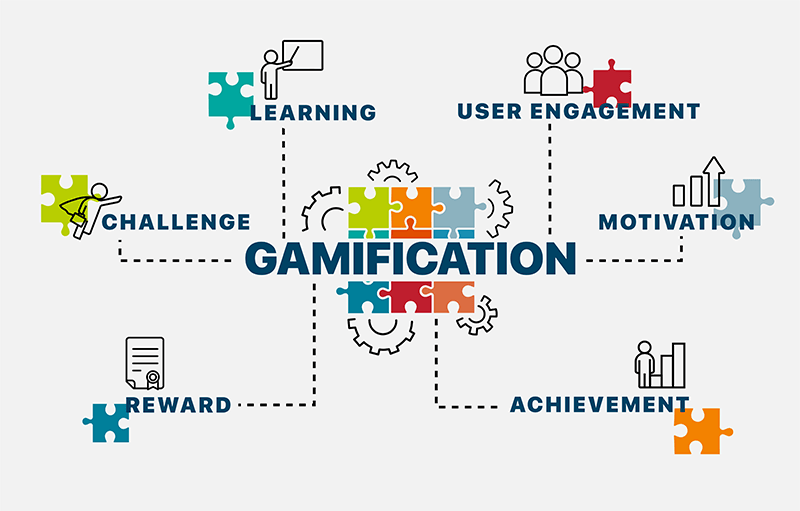
Unlock the Power of Play: Transform Your Marketing with Gamification! Increase Engagement, Build Loyalty, and Drive Sales with Gamified Marketing Want to make your marketing campaigns more engaging? Gamification could be the solution! By adding game-like elements to your campaigns, you can turn ordinary customer interactions into fun, memorable experiences. What is Gamification? Simply put, gamification means using game elements — like points, quizzes, and giveaways —in non-game settings. It’s about making your marketing fun and interactive, encouraging people to engage more deeply with your brand. A Historical Example: McDonald’s Monopoly One of the most famous gamified marketing campaigns is McDonald’s Monopoly. Since the late 1980s, McDonald’s has run this promotion, where customers collect game pieces with their meals. These pieces correspond to properties on a Monopoly board, with the chance to win prizes ranging from free food to cash and cars. The campaign has been hugely successful in driving customer engagement and increasing sales. Why Gamify? Engagement: Gamified campaigns are interactive and exciting, keeping people interested and involved. Loyalty: Rewarding customers for their participation builds stronger emotional connections with your brand. Conversions: Interactive elements guide users through the buyer journey, often leading to higher sales. Insights: Track customer interactions to gather valuable data and refine your strategies. Types of Gamified Campaigns Points and Rewards Systems: Customers earn points for actions like purchases, social media shares, or signing up for newsletters. These points can be redeemed for discounts, free products, or other rewards. Challenges and Contests: Create fun challenges that encourage users to participate and share their experiences. Contests with attractive prizes can generate buzz and increase engagement. Quizzes and Trivia: Interactive quizzes related to your products or services can educate and entertain your audience, making them more likely to remember your brand. Leaderboards: Display top participants on a leaderboard to foster a sense of competition. This can motivate users to engage more to see their names at the top. Scavenger Hunts: Organize online or offline scavenger hunts where customers search for clues or complete tasks. This can drive traffic to your website or physical store. Badges and Achievements: Award badges or achievements for reaching milestones. This can encourage continuous engagement and loyalty. Ready to Play? Gamification isn’t just a buzzword; it’s a powerful tool to make your marketing more engaging and effective. So, why not give it a try? Add some fun to your campaigns and watch your customer engagement soar!

SMS

The Power of SMS Messaging

The Power of SMS Messaging: Instant Reach & High Open Rates A Must-Have Marketing Tool In today’s fast-paced digital world, businesses are constantly seeking effective ways to connect with their customers. While email and social media are popular communication channels, SMS messaging (a text messaging protocol) has emerged as a powerful tool that shouldn’t be overlooked. With its high open rates and immediate reach, SMS messaging offers unique advantages that can significantly enhance customer engagement and drive business growth. Why SMS Messaging? Instant Reach: SMS messages are typically opened within minutes of being received, making them an ideal way to communicate time-sensitive information. Whether it’s a flash sale, an appointment reminder, or an urgent update, SMS ensures your message gets noticed promptly. High Open Rates: Unlike emails that can easily get buried in a crowded inbox, SMS messages boast an impressive open rate of over 90%. This means your messages are far more likely to be seen and acted upon by your audience. Direct and Personal: SMS provides a direct line to your customers, creating a personal connection that other channels often lack. Personalized messages can make customers feel valued and appreciated, fostering loyalty and enhancing their overall experience with your brand. Practical Applications Promotions and Discounts: Inform customers about special offers, exclusive discounts, or upcoming sales. A quick, enticing message can drive immediate traffic to your store or website. Appointment Reminders: Reduce no-shows and last-minute cancellations by sending reminder texts for appointments or reservations. This not only improves operational efficiency but also enhances customer satisfaction. Order Updates: Keep customers informed about their order status with real-time updates. From shipping confirmations to delivery notifications, SMS keeps your customers in the loop, enhancing their shopping experience. Customer Support: Offer quick and convenient customer support via SMS. Customers can easily text their queries and receive prompt responses, making their interaction with your business smooth and hassle-free. Best Practices Get Permission: Ensure you have explicit consent from customers before sending them SMS messages. This not only complies with legal regulations but also respects their privacy. Keep it Short and Sweet: SMS messages have a limited character count, so be concise and to the point. Deliver your message clearly and make sure it’s easy to understand at a glance. Personalize Your Messages: Use the recipient’s name and tailor the content to their preferences and behaviors. Personalized messages are more engaging and effective. Provide Value: Every message you send should offer value to the recipient. Whether it’s valuable information, a special offer, or a useful reminder, make sure your messages are worth their attention. Include a Clear Call to Action: Guide your customers on what to do next by including a clear and compelling call to action. Whether it’s clicking a link, visiting your store, or replying to the message, make it easy for them to take the desired action. Integrate SMS into Your Marketing Strategy Consider how your business can create a cohesive and an effective multi-channel strategy with SMS messaging to deliver timely, relevant, and personalized messages that drive action and build stronger customer relationships. By leveraging its immediacy and high open rates, integrating SMS messaging with other marketing tactics can amplify your reach and improve customer engagement. To be successful, be sure to define clear goals, segment your audience, and craft compelling messages, consistently across each media channel. Remember to monitor performance and stay compliant to ensure long-term success.

Scroll to Top