Total Local Marketing

Digital Marketing

7 Trends For Smarter Marketing

Seven Trends Shaping Small Business Marketing in 2026 Marketing trends can sometimes be confusing or even a little intimidating. But the most important trends for 2026 are surprisingly encouraging for small businesses and local organizations. While AI is playing a greater role, customers are still looking for authenticity, human connection, and to support businesses in their own communities. 1. Helpful tools that support communication Technology behind the scenes is becoming simpler and more helpful. Automated reminders, appointment confirmations, and quick messaging tools help you stay responsive without taking more of your time. Some of these tools use AI, but your personal connection will always matter most. You are still in control of the relationship. The tools simply keep things running smoothly. 2. Staying connected through email and texts People continue to open messages from businesses they already trust. Email newsletters, special offers, and gentle follow-ups keep customers returning. It is a friendly reminder that you are ready to provide them with the products and services they need. AI can help suggest the timing and topics customers will find most helpful, but your messaging should remain personal and authentic. 3. Local search matters more than ever Most customers start their search online. With AI, search tools are becoming more conversational, helping connect people with businesses that best match what they are looking for at that moment. A well-maintained website, an accurate Google Business Profile, and a recently updated Facebook page not only helps you be found by AI search, this content also gives people confidence that your business is active. Keep in mind, reviews are important for search engines and approximately 70% of people check online reviews before contacting a business. Local reviews encourage them to choose you over a bigger competitor. 4. Real photos and quick videos build trust You do not need a film crew to look professional. A snapshot of your team at work or a short video explaining a service helps customers feel like they know you already. Authentic visuals are comforting and memorable. AI editing tools can help polish simple photos or videos so they are ready to share quickly and easily. 5. Community involvement gets noticed People feel proud supporting businesses that take part in what is happening around town. Sharing local events, supporting fundraisers, or collaborating with other businesses builds goodwill and strengthens customer loyalty. This involvement can’t be automated. Customers want to see the real faces behind local businesses. 6. Smarter ads on smaller budgets Advertising is more targeted today. You can reach people in your service area who are actively looking for what you offer. Even a modest budget can produce steady leads when used wisely. AI helps improve targeting and timing, so ads are delivered to the right audience at the right moment. 7. Customer experience drives long-term success Fast responses and great service will always be your most powerful marketing. Happy customers provide word-of-mouth marketing and referrals. That kind of momentum leads to steady, reliable growth. AI can support faster responses, but the personal touch still makes the biggest difference. Moving through 2026 with confidence These trends and smart use of AI can make marketing more manageable. You can strengthen your marketing by being visible in the places customers are searching, staying helpful with clear communication, and reminding people why working with a local business is a smart choice. If you are interested in applying these trends to support your goals, a marketing partner can help guide the process and free up more of your time. Click here to schedule a call to determine whether Total Local’s approach is a good fit for your business or organization in 2026.
Rule of Thirds

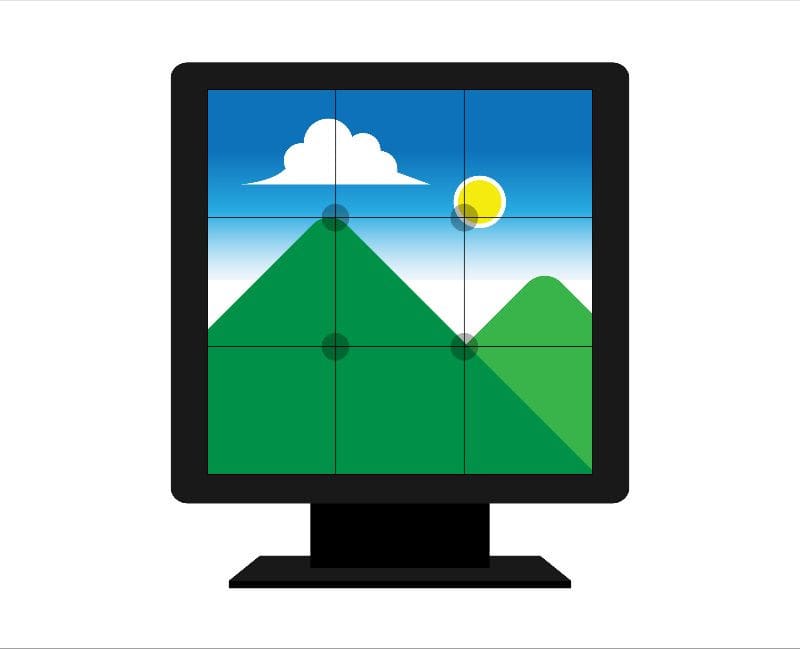
Why Some Designs Just Work: The Rule of Thirds Explained If you’ve ever looked at a photo, ad, post, or website and thought, “That just feels right,” there’s a good chance the rule of thirds was at work. This classic design principle shows up across graphic design, photography, social media, and UX design because it aligns with how people naturally scan and absorb visual information. The beauty of the rule of thirds is its simplicity. You don’t need advanced tools or design training to apply it well — just a basic understanding of how visual balance works. What Is the Rule of Thirds? Picture a layout divided into nine equal sections using two horizontal lines and two vertical lines. The rule of thirds suggests placing important elements along those lines or at their intersections instead of centering everything. This approach creates balance without symmetry. It gives designs a sense of movement and structure, helping the eye travel naturally from one element to the next. Graphic Design: Creating Clear Visual Hierarchy In graphic design, the rule of thirds helps establish order. Headlines, images, logos, and calls to action are easier to process when they’re given their own space. Placing a headline near the top third, a supporting image along one side, and key details near a lower intersection guides readers through the design without confusion. This is especially effective for ads, flyers, postcards, and email graphics, where space is limited and clarity matters. Photography: Making Images Feel Natural Photography is one of the most common places you’ll see the rule of thirds in action. Centered subjects can feel formal or static, while off-center placement adds interest and depth. Aligning a subject’s eyes with the top third or placing a horizon along the lower third creates a more dynamic image. This technique is widely used in lifestyle photography, product shots, and brand imagery because it feels authentic and approachable. Social Media Graphics: Stopping the Scroll On social media, the rule of thirds is especially powerful. Graphics that place text, faces, or focal points slightly off center tend to feel more modern and intentional. Leaving space in one third of the image for text while anchoring visuals in another keeps posts readable and visually appealing, especially on small screens. It also helps ensure that important elements aren’t covered by platform overlays or cropped in previews. UX Design: Supporting How People Navigate In UX design, the rule of thirds supports usability. Websites and landing pages that place key content along natural viewing paths are easier to scan and interact with. Users don’t read screens line by line — they scan. Aligning headlines, images, and buttons with the rule of thirds subtly guides attention and encourages action without overwhelming the viewer. Knowing When to Bend the Rule Experienced designers can break the rule of thirds because they understand why it works in the first place. When balance, hierarchy, and visual flow are intentional, stepping outside the rule can create emphasis or interest rather than confusion. Without that foundation, breaking it often feels accidental instead of purposeful. Why It Just Works Used thoughtfully, the rule of thirds brings clarity, balance, and ease to almost any visual, whether print or digital. By aligning layouts with the way people naturally scan and process information, it helps designs feel more intuitive, reduces visual strain, and makes key messages easier to notice without needing extra explanation.

Holiday Posting Dilemma

Navigating Holidays on Social Media Stay Neutral or Recognize Each Tradition? The holiday season offers businesses a chance to connect with their audiences in warm, human ways. It also requires sensitivity. Customers come from many cultures, faiths, and backgrounds, and a single post can feel welcoming or unintentionally exclusionary. With a little care, your business page can celebrate the season in a way that feels genuine, inclusive, and aligned with your brand. Choose a Clear Approach: Broad & Inclusive or Intentionally Specific When it comes to holiday content, the most effective strategy is to be consistent in your intention. One of two approaches works well for most businesses: 1. Stay Broad and Inclusive This option focuses on seasonal themes rather than specific traditions. Messages centered on community, gratitude, winter, and reflection are universally relatable and avoid aligning your brand with one belief system. Examples include: “Wishing you a joyful season.” “Thank you for being part of our community this year.” “Warm wishes from all of us.” This approach is simple, welcoming, and easy to maintain across multiple platforms. 2. Acknowledge Individual Traditions Accurately and Respectfully If your business chooses to recognize specific holidays, do so intentionally. Keep messages factual and warm, without leaning on stereotypes or oversimplified imagery. Examples include: “Wishing a joyful Diwali to all who celebrate the Festival of Lights.” “Hanukkah begins tonight — may the season bring light and joy.” “Merry Christmas to those celebrating today.” If you embrace specific holidays, aim to honor each one that is relevant during the season. The strength of this approach is its inclusivity and respect for the diverse traditions in your community. What to Avoid The one approach that doesn’t work well is acknowledging one tradition while ignoring others without a clear reason. Inconsistent posting can create the appearance of favoritism, even if that wasn’t your intention. Choosing a lane, and staying in it, keeps your messaging clear and respectful. Ground Your Posts in Shared Values Regardless of the approach you choose, most traditions share common themes: family, connection, generosity, gratitude, and reflection. Keeping posts centered on these values ensures that they resonate broadly. A simple thank-you message or acknowledgment of your team’s hard work can feel just as meaningful as a holiday-specific post. Use Imagery Thoughtfully Visuals carry more weight than most captions. For broad seasonal posts, consider images like: Winter scenery Community gatherings Lights, greenery, or neutral festive elements For tradition-specific posts, select imagery that reflects the holiday respectfully and accurately, without leaning into clichés or symbolic missteps. Highlight Your Community If you want to celebrate multiple traditions without speaking for them, consider inviting your staff or customers to share how they celebrate. A short staff spotlight, a photo, or a quote brings authenticity while naturally reflecting diversity. Participation should always be optional. Keep Language Open and Welcoming Avoid assumptions about what your audience celebrates. Phrases like “whatever you’re celebrating,” “your traditions,” or “this time of year” allow you to acknowledge the season without excluding anyone. Stay True to Your Brand Voice Whether your tone is warm, practical, heartfelt, or community-focused, your holiday messaging should feel like an extension of your usual style. Consistency helps your posts feel authentic rather than performative. A Season for Connection Handled thoughtfully, holiday and tradition-based content can strengthen relationships and deepen your community presence. Whether you choose a broad, seasonal approach or embrace each tradition with factual respect, clarity and sincerity will guide your messaging in the right direction. With a consistent approach and a welcoming tone, your business page can celebrate the season in a way that honors everyone who follows, supports, and engages with your work.

brand refresh

Update Your Brand

Time for a Brand Refresh? Reassessing Your Visual Identity A Natural Pause to Evaluate Your Brand As the calendar turns, many businesses take stock of their goals, processes, and plans. It’s also a natural moment to take a close look at your brand. A brand isn’t just a logo or a color palette, it’s the overall impression your business leaves at every point of contact. Over time, even strong brands can drift, becoming a little dated, inconsistent, or misaligned with what a business has grown into. What a Brand Refresh Really Means A brand refresh doesn’t mean a full rebrand. Instead, it’s a thoughtful update that keeps the core of your identity intact while improving clarity, consistency, and relevance. Small changes often make a meaningful difference. Updating fonts or color tones can modernize your look without losing recognition. A simplified, cleaner logo can improve readability on digital platforms, where most customers interact first. Consistent styling across your website, social media, print materials, and signage reinforces professionalism and builds trust. Ensuring Your Brand Works in Today’s Digital Landscape Another important step is evaluating whether your brand works well across modern technology. A brand created years ago may not translate cleanly to mobile screens, social media icons, or short-form video. Check whether your logo scales well, if you have all the file formats you need, and if your visuals still stand out in fast-moving digital spaces. Small usability updates can lift your presence across every channel. Addressing Accessibility Along the Way A brand refresh is also a smart time to evaluate how accessible your visuals and messaging are for all users. Color contrast, font legibility, and layout clarity impact how easily people can engage with your brand, especially on digital platforms. Are your font choices readable on small screens? Do your colors meet accessibility contrast standards? Are images tagged properly for screen readers? Including accessibility best practices as part of your refresh not only improves usability, it also demonstrates that your business is inclusive and responsive to all customers’ needs. Revisiting Your Message and Voice The new year is also a good time to revisit the foundation behind your brand. Is your messaging still aligned with what customers value most? Does your tagline fit where your business is headed? Are you speaking in a voice that feels current and authentic? Clear messaging is the anchor of a strong brand, and a refresh is a chance to bring your words and visuals back into alignment. A Fresh Start for a New Year A brand refresh gives your team and customers something energizing to rally around. It signals forward momentum, clarity, and confidence. Even modest updates can make your marketing feel fresh, organized, and ready for the year ahead.

AI - Ask Anything

Optimize for AI

ChatGPT and AI Search: The Next Evolution in Online Discoverability The way people search for information online is changing rapidly. Traditional search engines like Google have long relied on keyword matching, backlinks, and site authority to decide what results to show. But now, artificial intelligence, especially tools like ChatGPT, is reshaping how people discover content online. For businesses, this shift represents both a challenge and a major opportunity. From Keywords to Conversations AI-driven search doesn’t just look for matching words; it understands meaning. Instead of typing “best local plumber Mason MI,” users might ask, “Who can fix a leaking pipe near me today?” ChatGPT and similar models analyze intent, context, and even tone to provide more accurate, conversational answers. This change means that optimizing for AI search requires more natural, human-centered writing. Businesses that answer real customer questions in plain language will stand out Building AI-Friendly Content To stay visible in this new landscape, websites need to provide clear, structured information that AI can easily interpret. Adding schema markup helps AI understand what your business does and where you serve. Likewise, well-written FAQs and conversational blog posts give AI models the context they need to reference your site in results. AI search systems also value authority and trust. Consistent branding, genuine customer reviews, and high-quality backlinks still matter, but now they work alongside clarity and transparency. If your content is confusing, outdated, or too promotional, AI systems are less likely to surface it. What This Means for Small Businesses For local businesses, AI search and tools like ChatGPT are leveling the playing field. Someone asking about “trusted attorneys near Grand Ledge” or “best physical therapists for back pain in Lansing” could now find recommendations directly through conversational search, without even clicking to a traditional results page. Businesses that maintain complete Google Business Profiles, accurate directory listings, and content that reads naturally have a distinct advantage. The Bottom Line AI search isn’t replacing SEO — it’s evolving it. Businesses that adapt early will be easier to find, easier to trust, and better positioned for the next phase of digital discovery. At Total Local, we help businesses create content that speaks both to people and to AI, ensuring you stay visible wherever your customers are searching.

Inbox Marketing Magic

Reach the Right Audience at the Right Time There’s a little marketing magic hiding in your inbox — and it’s called email. Email newsletters and eBlasts are among the most reliable, cost-effective ways to reach your audience directly, without getting lost or buried in a social feed or ad platform. When done well, they bring both immediate results and long-term relationships. The Power of the Newsletter An email newsletter is like a friendly conversation that lands right in someone’s inbox. It keeps your business, organization, or cause top of mind while offering something useful or interesting to read. The focus is on sharing helpful information, not just selling. Newsletters often include a few short sections of content such as updates, tips, spotlights, event recaps, or special offers. The goal is consistency and value. Readers who regularly receive information they enjoy or find useful are more likely to open, click, and eventually take action. One of the greatest strengths of newsletters is flexibility. You can tailor the tone and frequency to your audience, use photos and graphics to support your message, and even personalize content for different groups. Over time, that steady connection builds familiarity and trust, which is the foundation of brand loyalty. The Impact of an eBlast While newsletters are broad and relational, eBlasts are focused and goal-oriented. Each one delivers a single, clear message and a strong call to action including: register, call, sign up, buy now, or learn more. They’re best used for special announcements, time-sensitive promotions, or important updates. Because eBlasts are targeted, list quality matters. You can segment your existing audience into smaller groups or rent a verified list to reach new contacts. Rented lists are carefully maintained, often filtered by demographics, geography, interests, or past purchase behavior. This allows your message to reach people who are most likely to respond. Why Email Still Works Email reaches people where they already spend time, in their inbox. It’s a direct line of communication that doesn’t depend on algorithms, ad budgets, or lucky timing. You can track performance, test messages, and measure your Return on Marketing Spend (ROMS) with clear, concrete data. When you combine thoughtful content with a clean, targeted list and consistent delivery, you get results that feel almost like magic, turning casual readers into loyal supporters and first-time customers into repeat ones.

Google Business

Don’t Let Google Guess

Claiming Your Google Listing: A Simple Step with Big Benefits If you’re a small business owner, you’ve probably received those calls: “This is Google calling about your business listing….” Whether it’s a robocall or a pushy telemarketer, it can be enough to make anyone want to roll their eyes and hang up. But here’s the thing: claiming and managing your Google Business Profile (formerly Google My Business) is actually a key part of your online presence and it deserves your attention. Why Your Google Listing Matters Your Google listing is often the first impression people have of your business. It’s what shows up when someone searches your name, looks for your services, or uses Google Maps. A claimed and optimized listing makes sure potential customers see the right information: your hours, phone number, website, photos, reviews, and more. What Happens If You Don’t Claim It? When you don’t claim your listing, you’re leaving your online presence to chance. The information could be outdated, incomplete, or even incorrect. Worse, someone else could claim it and misrepresent your business. The Benefits of Taking Control Taking ownership is easy and it gives you control over how your business appears on the world’s most-used search engine. You can respond to reviews, update your hours, post special offers, and gain valuable insights about how customers are finding you. Ignore the Calls, but Not the Listing So yes, those calls are annoying — and often not even from Google — but don’t let them push you into ignoring something this important. If you haven’t claimed your Google listing yet, now’s the time. Need help? That’s what we’re here for. Pro Tip: If someone calls saying they’re from Google, they probably aren’t. Google doesn’t make unsolicited calls to verify listings. It’s best to claim and manage your listing directly at google.com/business.

Social Ads

Digital Ads That Deliver

Going Digital Makes a Difference Reach the Right Audience at the Right Time In the competitive marketplace, digital advertising is no longer optional; it is essential. Whether you’re running a local shop or a growing regional brand, digital advertising helps you reach the right audience at the right time with the right message. Social Media Advertising: Engage and Grow Two powerful tools in this space are social media advertising and programmatic advertising. Social ads, like those on Facebook, Instagram, and LinkedIn, allow you to connect with specific audiences based on interests, behaviors, and demographics. These platforms offer real-time insights and flexible budgets, making it easier than ever to promote events, boost brand awareness, and drive website traffic without breaking the bank. Programmatic Advertising: Smarter, Broader Reach Programmatic advertising takes things a step further, using data and automation to place ads across thousands of websites and apps. This type of advertising is the automated buying and selling of digital ad space in real time, using software and data to target specific audiences more efficiently and effectively than traditional methods. Instead of manually negotiating with ad platforms or media outlets, programmatic advertising uses algorithms and artificial intelligence to purchase ad impressions across websites, apps, and video platforms. It happens in milliseconds, often through a system called real-time bidding (RTB). This means you can target your ideal customers wherever they are online, with highly relevant messaging that adapts to their behavior. It’s an efficient, cost-effective way to stay visible and competitive in a crowded market. Big Impact, Scalable Budget Together, social and programmatic ads offer small and mid-sized businesses powerful ways to stay top-of-mind, compete with larger brands, and generate measurable results. Best of all, these campaigns can be scaled to fit your goals and budget. Start Reaching More Customers Today Digital advertising opens the door to more visibility, more leads, and more growth, no matter the size of your business. With the right strategy and support, you can compete in today’s digital world and connect with the customers who matter most. If you’re ready to get your message in front of the right people, add digital advertising to your marketing playbook.

Marketing Myths

Marketing Made Simple

Marketing Myths That Hold Companies Back: Skip the Myths and Do What Works In the constantly-changing digital world, it’s easy to get caught up in the noise and feel overwhelmed and unsure of where to focus your energy. Let’s unpack some of the most common marketing myths that might be standing in the way of doing what really will help your company or organization. Myth #1: You Have to Be on Every Platform Trying to maintain a presence on Facebook, Instagram, LinkedIn, TikTok, YouTube, and whatever comes next? You’ll burn out fast. Focus instead on the platforms where your audience is most active and where you can consistently show up with quality content. One or two strong channels beat five neglected ones every time. Myth #2: More Followers = More Sales It’s tempting to chase big numbers, but a large following doesn’t guarantee revenue. What matters more is engagement and connection. A small, loyal audience that interacts with your posts and trusts your brand is far more valuable than thousands of silent followers. Myth #3: You Need a Huge Budget to Compete  Big brands might have big dollars, but small businesses can win with authenticity, agility, and community connections. Local SEO, consistent posting, email marketing, partnerships and enlisting help from a small, local marketing company can go a long way without breaking the bank. Focus on What Works for You The truth is, effective marketing isn’t about doing everything — it’s about doing the right things for your business. You don’t have to do it all. In fact, trying to do everything often leads to burnout and frustration. So take a breath, tune out the noise, and build a strategy that’s realistic, sustainable, and rooted in what works for you.

Click

Clicks That Lead to Connections

From First Click to Lifelong Customer: Mapping the Journey A customer’s journey often starts with a single click. But what turns that click into a lasting connection? For small businesses and community organizations, understanding and nurturing the stages of the customer experience is key to building loyalty and long-term success, understanding the path people take from “just browsing” to “loyal for life.” Make a Strong First Impression It all starts with awareness. Maybe someone sees your business on social media, hears about you from a friend, or finds you on Google. That first impression matters, so make sure your website, Google profile, and social channels are accurate, up-to-date, and reflect who you are. Build Trust and Encourage Action Once they land on your site, it’s time to engage. Is your site easy to navigate? Does it answer their questions? Is it welcoming? Simple design, helpful info, and clear buttons like “Book Now” or “Get a Quote” go a long way in building trust and helping people take the next step. Then comes the conversion, that moment when someone buys, signs up, or reaches out. Fast-loading pages, mobile-friendly design, and a few great testimonials can really seal the deal here. Keep Customers Coming Back After the sale, the retention phase kicks in. Keep the conversation going with thank-you emails, special offers, or even a quick check-in. Great service leads to genuine connections and repeat business. Eventually, if you do it right, customers turn into advocates — people who recommend you to friends, leave glowing reviews, and come back again and again. Every step matters. When you make the journey smooth, helpful, and authentic, you’re not just making a sale. You’re building a relationship that will last, creating a brand that is not only discoverable, but trustworthy and unforgettable.

Scroll to Top