Total Local Marketing

Social Media

Facebook

Facebook’s Changing Landscape

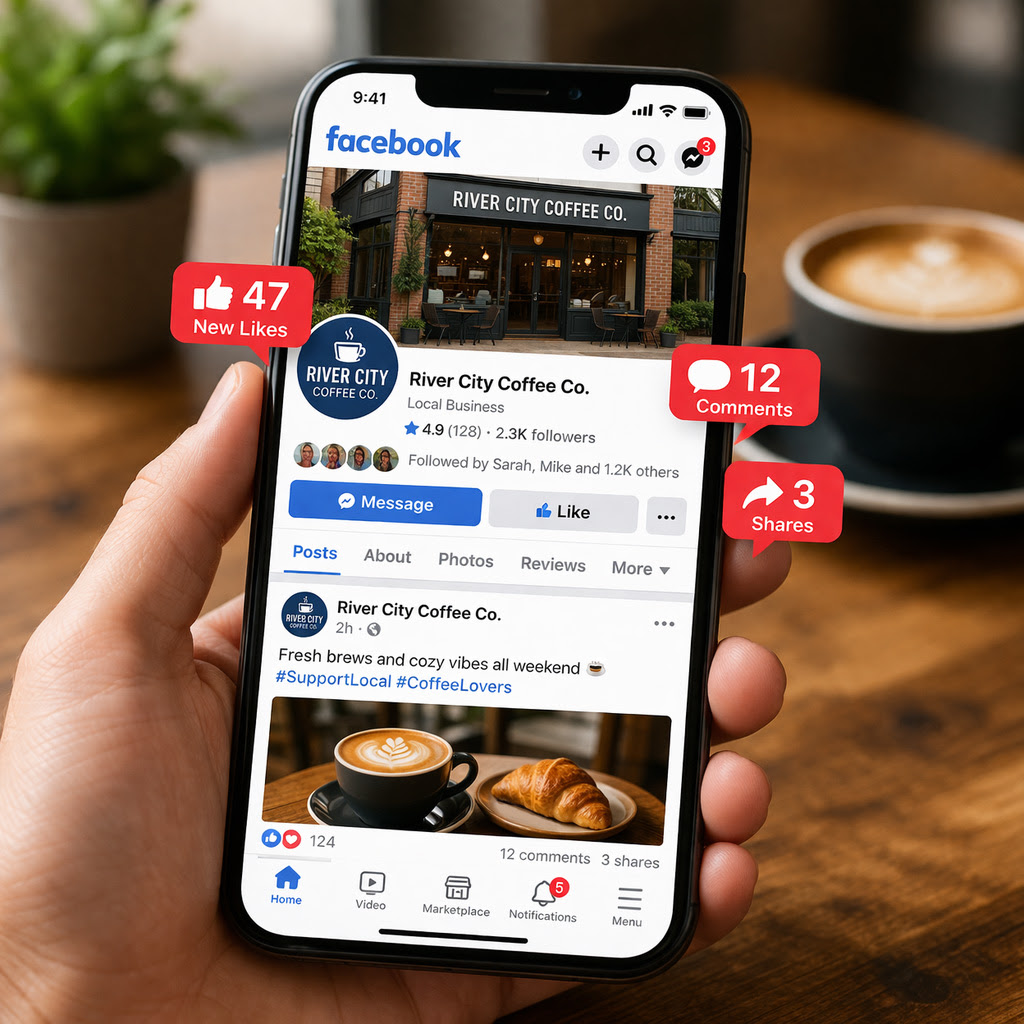
Your Facebook Reach Has Changed What’s driving it in 2026 Many local businesses have noticed the same thing recently. Posts are still going out, but they’re not reaching as many people as they once did. Engagement feels inconsistent, and what used to work no longer delivers the same results. Part of that conversation has included the Andromeda update, which began circulating in late 2025. While Andromeda is tied primarily to Facebook’s advertising system, where AI is improving how ads are delivered and optimized, it reflects a broader shift happening across the platform. Facebook is now heavily driven by AI-powered recommendations, and that’s changing who sees your content and why. In the past, Facebook mostly showed users content from pages they followed. If someone liked a business page, there was a reasonable chance they would see its posts. Your competition for attention was largely limited to other businesses your audience followed. Today, that has changed. Now, Facebook mixes in content from pages a user may not follow at all. If a post performs well, it can be shown to a wider audience beyond your existing followers. That creates new opportunity, but it also makes the platform far more competitive. Your content is no longer just competing with similar businesses your audience follows. It’s competing with everything Facebook believes that user might engage with, from other businesses to creators to completely unrelated content. Why performance varies so much from post to post. Each post is effectively tested. Facebook shows it to a small group first. If people engage, through comments, shares, or watch time, it expands the reach. If they don’t, the post is shown to fewer people. Businesses are feeling the shift. Posting occasionally or sharing general updates is no longer enough to stay visible. Even consistent posting can fall flat without a clear approach. The difference is strategy and consistency. Businesses that are seeing results are not necessarily posting more, they’re posting with intention and regularly with content that gives people a reason to engage. That might include: A quick photo from a recent job with a short, relatable caption A simple question tied to a common customer issue A short video showing work in progress or a finished result These types of posts tend to generate interaction, and that interaction is what drives reach, including to people who don’t already follow the page. In addition, maintaining a steady presence with content that aligns with how Facebook is prioritizing posts today builds stronger engagement signals and increases the likelihood that future posts will be seen. Facebook Groups are still part of the mix. Local groups, in particular, can help extend visibility by placing content in front of active, engaged audiences. However, there is no clear evidence that Facebook’s current updates specifically boost posts simply because they are shared in groups. The advantage comes from the interaction within those communities. Taken together, these changes point to a clear shift. Facebook is no longer a platform where visibility comes from simply having followers. It’s driven by how your content performs and how people respond to it, both from your existing audience and beyond it. To stay visible, businesses should: Post consistently with a clear purpose Create content that invites interaction Share real, relevant examples instead of generic promotions Understand that strong posts can reach non-followers Support organic efforts with a thoughtful ad strategy Facebook is still a powerful tool for local businesses. But it now rewards content that stands out across the platform, not just within your existing audience.
Boosting Posts vs. Facebook Ads

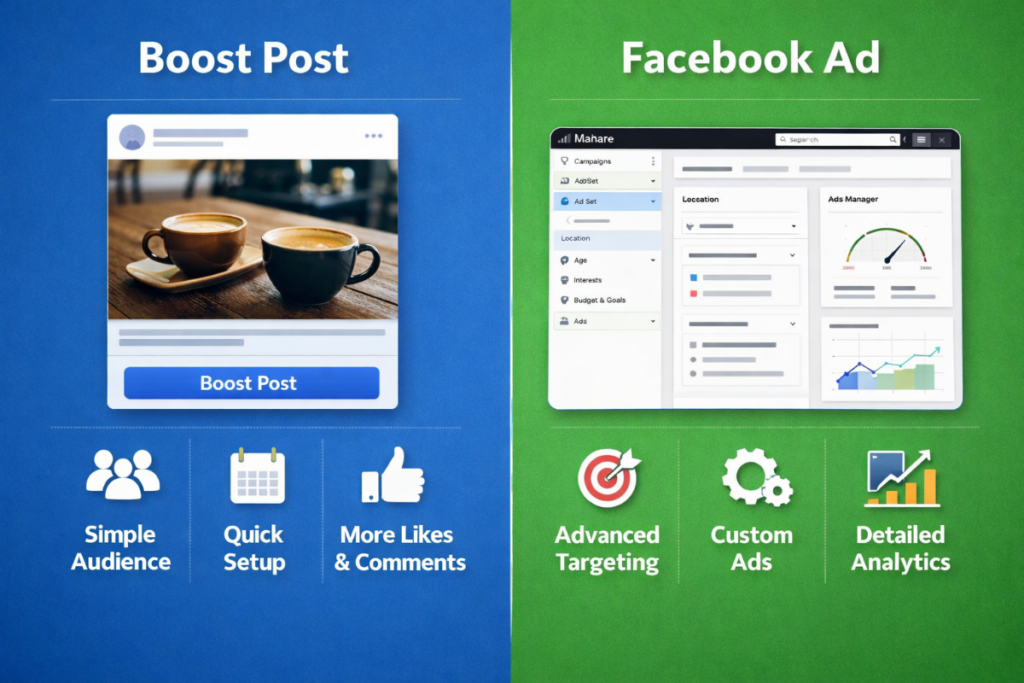
Boosting Posts vs. Facebook Ads: What’s the Difference? If you manage a business Facebook page, you’ve probably noticed the “Boost Post” button that appears under many of your posts. It’s quick, easy, and tempting to click when you want more people to see what you’ve shared. But boosting a post and running a Facebook ad are not the same thing. Both involve paid promotion, yet they work in different ways and serve different purposes. Understanding the difference can help businesses decide which option makes sense depending on their goals. What Boosting a Post Does Boosting a post is the simplest way to pay Facebook to show one of your existing posts to more people. When you click the Boost button, Facebook walks you through a short setup process where you choose a budget, a duration, and a basic audience. Boosting is essentially about expanding the reach of a single post. It takes something that already exists on your page and shows it to more people beyond your current followers. Businesses often boost posts when they want to: Promote an event Highlight a special offer Share an announcement Get more engagement on a post that is already performing well The setup is quick and requires very little technical knowledge. Because of that, boosting can be useful for simple visibility or for increasing likes, comments, and shares. However, boosting also comes with limitations. Targeting options are basic, campaign objectives are limited, and the advertiser has less control over how the promotion is delivered. What Facebook Ads Do Facebook ads are created through Meta’s Ads Manager rather than the Boost button. While boosting focuses on promoting a post, Facebook ads allow businesses to build a structured advertising campaign with specific objectives. When creating an ad campaign, the advertiser first selects a goal. Example goals include: Website traffic Lead generation Video views App downloads Sales or conversions From there, ads can be designed specifically for that objective rather than simply promoting an existing post. Facebook ads also allow for much more detailed audience targeting. Advertisers can target people based on: Location Age and demographics Interests and behaviors Website visitors Customer email lists People similar to existing customers This level of targeting allows businesses to reach very specific audiences instead of simply showing a post to a broad group of people. Facebook ads also allow businesses to upload their own customer lists, such as email databases, so ads can be shown to past customers or people similar to them. Creative Options and Ad Formats Boosted posts are limited to the format of the original post. If the post contains an image, video, or link, that is what will be promoted. Facebook ads offer a wider range of formats designed specifically for advertising. Ad formats include: Carousel ads with multiple images Video ads Lead form ads Collection ads Story ads Because these formats are designed for advertising campaigns, they can be better suited for guiding users toward a particular action, such as visiting a website or signing up for more information. Budget and Performance Control Boosting a post typically involves selecting a total budget and the number of days you want the promotion to run. Once it begins, there are fewer controls for adjusting delivery or testing different approaches. With Facebook ads, advertisers can monitor performance more closely and make changes while a campaign is running. For example, with ads you can: Test different audiences Compare multiple ad designs Adjust budgets between ads Track specific results such as website clicks or purchases This type of control can be especially useful when a business is trying to optimize a campaign or measure return on investment. When Each Approach Makes Sense Boosting posts and Facebook ads are both useful tools, but they serve different roles. Boosting posts works well when the goal is simple: increasing visibility or engagement for a particular post. It’s quick to set up and easy to manage. Facebook ads are better suited for structured campaigns where a business wants to achieve a specific outcome, such as generating leads, driving traffic to a website, or reaching a carefully defined audience. Both boosting posts and running Facebook ads involve paying to reach more people on the platform. The key difference lies in how much control, targeting, and campaign structure the advertiser wants. Boosting posts offers a fast and simple way to expand reach. Facebook ads provide a more advanced system for targeting audiences, testing creative, and pursuing specific marketing objectives. Understanding the distinction helps businesses use each tool more effectively and choose the approach that best fits their goals.

Social. Local. Strong.

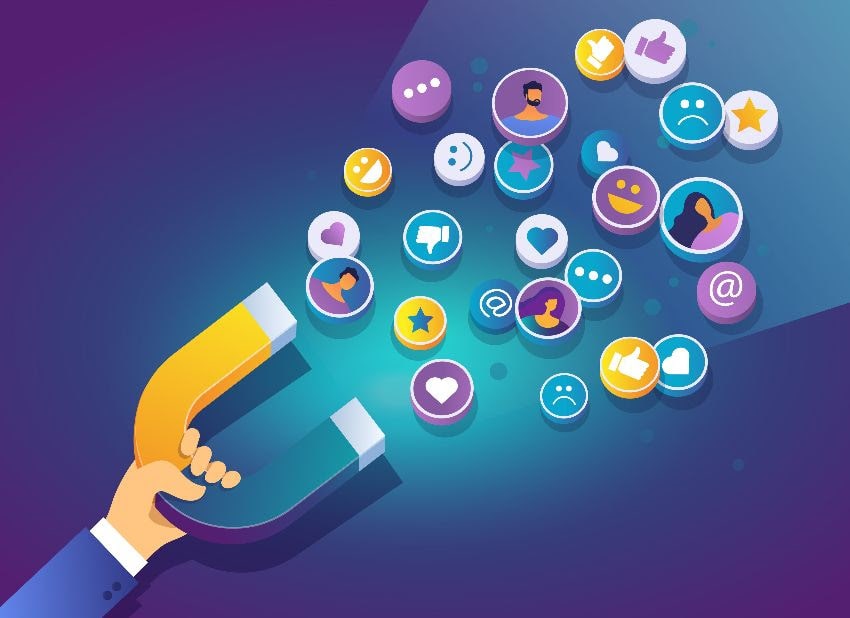
Turn Facebook Into a Customer Magnet Facebook isn’t just for casual scrolling — it’s a powerful marketing tool when used with intention. With the right approach, you can build visibility, earn trust, and turn followers into paying customers. Read the Numbers Your Page Insights reveal what’s working. Reach = how many people saw your post. Engagement = how many interacted. The magic comes from comparing the two. A post with low reach but high engagement is worth boosting, while one with high reach but little response needs a better message or call-to-action. Keep an Eye on Competitors Use Facebook’s “Pages to Watch” and the free Ad Library to see what others are posting and advertising. Adapt strong ideas to your brand and find opportunities they’ve missed. Follow the Three Stages of Advertising Awareness: Build recognition with broad, eye-catching ads. Consideration: Share tips, guides, or promotions to build interest. Conversion: Retarget warm leads with testimonials, offers, or urgency-driven ads. Together, these stages move people from discovering your business to becoming loyal customers. Stay Consistent and Be Creative Join local groups, partner with nearby businesses, and post regularly to stay visible. Consistently post each week: Aim for a steady rhythm of posting throughout the week so your business stays top of mind. Mix your content: educational posts (40%), testimonials and reviews (30%), engaging/fun content (20%), and promotions (10%). Start Small, Scale What Works Run ads with a modest budget such as $5 to $10 per day. Boost the posts that already perform well instead of guessing. With consistency, you’ll build a system that steadily brings in leads and sales. The Bottom Line Success on Facebook isn’t about luck, it’s about using data, learning from others, and showing up with content people care about. Stick with it, and in just a few months your page can go from “nice to have” to a true business driver.

Omni-Channel Marketing

One Strategy, Endless Reach!

Omni-Channel Marketing: Creating a Seamless Customer Experience In today’s world, customers interact with brands everywhere—social media, websites, emails, apps, and even in-store. The key to winning their loyalty? Making sure their experience is smooth, consistent, and connected across all platforms. What Is Omni-Channel Marketing (And Why Should You Care)? Omni-Channel Marketing is all about connecting the dots between different channels so your customers get a seamless experience. Whether they start browsing on Facebook, sign up for an email, and then walk into your place of business, their journey should feel effortless and personalized, like one continuous conversation. Why It Works (And Why You Need It!) Consistency is key: No matter where customers engage with your brand, they should see the same message and branding. Better Customer Experience – When things flow smoothly, customers stay happy (and keep coming back). Higher Conversions – A connected experience means fewer lost sales and more happy customers. Smarter Marketing – With integrated data, you learn what works and can fine-tune your strategy. How to Make Omni-Channel Work for You Know Your Customers’ Journey – Where do they interact with your brand? Map it out. Stay Consistent – Keep your messaging and branding unified across all platforms. Use Smart Tech – Analytics tools help track and personalize experiences. Think Mobile-First – Make sure everything is seamless on any device. Test, Learn, Repeat – Use insights to keep improving! Example of Omni-Channel in Action A customer sees an ad or post about a product on Facebook, clicks on it, browses your website, later receives a personalized email reminder, and finally visits your business to purchase—where the staff already knows their preferences. By creating a frictionless and connected customer journey, omni-channel marketing boosts engagement, brand loyalty, and sales. Omni-channel marketing isn’t just a buzzword—it’s how brands build lasting relationships.

Social Media

Social Media

Master Your Social Media Strategy for 2025 As 2025 approaches, now is the perfect time to map out your social media calendar. A proactive approach ensures you stay consistent, engage your audience effectively, and align your content with key events and goals. Here are some tips and ideas to help you get started. 1. Set Goals for the Year Determine your objectives for 2025. Are you looking to grow followers, increase engagement, or drive traffic to your website? Your goals will guide your content strategy. 2. Analyze Past Performance Review analytics from 2024 to identify what resonated with your audience. Double down on successful content types and adjust where needed. 3. Create a Content Framework Develop a monthly theme or focus. For example: January: New Year goals and motivation April: Spring promotions or environmental awareness October: Fall festivities and holiday prep 4. Incorporate Key Dates Mark holidays, industry events, and awareness days relevant to your audience. Tools like the National Day Calendar can inspire creative posts. 5. Plan for Visuals Invest in high-quality images, videos, or graphics. Platforms like Canva or Adobe Express can help you design eye-catching content. 6. Leverage Automation Tools Use tools like Hootsuite, Gain, or Buffer to schedule posts in advance. This saves time and ensures consistency. 7. Engage with Trends Stay flexible to incorporate trending topics, hashtags, or challenges (a.k.a. Trendjacking). Tools like Google Trends and Twitter can help you monitor what’s popular, but make sure a trend that you hop on is appropriate for your brand. 8. Measure & Adapt Build quarterly reviews into your plan to assess performance and refine your strategy. By planning ahead, you’ll ensure your social media strategy is purposeful and impactful.  See our article below for monthly topic ideas, as well as a few popular and fun observance days. Start now, and 2025 will be your most organized and successful year yet!

Facebook's Algorithm

Improve Facebook Engagement

Maximizing Your Facebook Presence Using Facebook’s Algorithm to Boost Engagement, Reach, Clicks, and Follows Facebook’s algorithm prioritizes content that fosters meaningful interactions and keeps users engaged on the platform. Using a variety of the tools Facebook provides improves your chances of being seen by your audiences on the platform. Engaging Content (Especially Visual and Interactive) Facebook’s algorithm highly prioritizes video content, especially live videos, because they encourage longer viewing times and more interaction. Live videos also tend to generate more comments and reactions, which signals to the algorithm that the content is engaging. High-quality images, infographics, and videos naturally attract more attention and interaction, which the algorithm rewards. Meaningful Interactions Posts that spark meaningful conversations, such as those asking questions or inviting discussions, are ranked higher by Facebook’s algorithm. The more comments and replies a post generates, the more likely it is to be shown to a wider audience. Content that encourages active participation, like polls, questions, and quizzes, tends to perform better. The algorithm favors posts that result in longer, thoughtful comments over those that only receive likes. Facebook Groups Facebook Groups are favored by the algorithm because they foster strong community engagement. Group posts are more likely to appear in members’ news feeds, especially if they generate interaction within the group. Posts in active, highly engaged groups often rank higher, as the algorithm prioritizes content that is relevant to a specific community. Facebook Events Events that attract a lot of interaction, such as RSVPs, comments, and shares, are favored. Additionally, live streaming events via Facebook Live can boost visibility significantly. Consistent Posting and Interaction Pages that post consistently and engage regularly with their audience are more likely to see their content favored by the algorithm. Active pages that respond to comments, messages, and engage with user-generated content are prioritized. Facebook Stories Although Stories are not prioritized in the main news feed, they appear prominently at the top of users’ apps. Stories that include interactive elements like polls or questions can engage viewers and drive more activity on your page. Optimized Facebook Ads The algorithm favors ads that are relevant and targeted to the right audience. We find that paid ads perform better than “boosted” posts! Also, ads that generate good engagement (likes, shares, comments) are likely to perform better. User-Generated Content and Shares Content that users share with their own networks is given priority, as it indicates the content is valuable and engaging. Encouraging your followers to share your posts can significantly boost reach. By generating meaningful interactions, encouraging active engagement, and fostering community through Groups and Events on Facebook your business can rise to the top of pages in your industry. Remember,  video content, especially Facebook Live, is particularly powerful in achieving better algorithmic favor.

Social Media Audit

Maximize Social Media!

Transform Your Marketing Strategy with Realistic Expectations Elevate Your Social Media Strategy with a Comprehensive Audit Conducting a social media audit for your business is essential to understanding your current social media presence and uncovering opportunities for growth. To improve your social media presence, identify your strategy and set measurable goals that will enhance your social media presence. Describe your target audience and brand persona Identify patterns in your current strategy Set specific, measurable goals and outline actions to achieve them Detail the process and set a time frame for reaching these goals Once you’ve assessed your overall strategy, it’s time to focus on specific platforms. Pick a few platforms and do them well. Check your page insights to see if your content reaches the desired demographic. Adjust as necessary to better target your primary audience. Regardless of platform ask yourself these questions: Are you using video? Is your posting consistent, and how often are you posting? Do you engage with others? Is the Call-to-Action (CTA) button set up? Is your cover photo engaging and profile photo clear? Are you using a mix of link posts, videos, text, and still images? Platform-Specific Tips Facebook: Use features like events, polls, and stories Maintain a consistent posting schedule Ensure your content encourages engagement and uses proper image sizes Include a clear CTA and ensure your bio is descriptive Threads: Create content specific to the platform Use polls, GIFs, and relevant keywords Engage with other profiles and contribute to conversations Alignable Participate in relevant groups and discussions to increase visibility Actively seek recommendations from satisfied customers and partners Post updates regularly, including business news, promotions, and industry insights YouTube: Optimize video titles and thumbnails for SEO Use closed captions and include CTAs in videos Ensure high production quality and regular posting Pinterest: Organize boards with cohesive and eye-catching photos Use keywords and hashtags in pin descriptions Ensure all links are working and direct traffic effectively Instagram: Link with your Facebook page in Meta Utilize features like Stories and Reels Maintain a consistent visual brand and posting frequency Use strategic hashtags and engage with followers promptly LinkedIn: Post articles, use LinkedIn Live, and maintain an up-to-date profile Encourage engagement through questions and timely replies to comments Feature projects or clients to highlight your services X (Twitter): Keep your content up-to-date Optimize photos and videos, and use relevant hashtags Engage in conversations TikTok: Use trending audio and strategic hashtags Engage with relevant accounts and set clear content goals Utilize editing features and filters to enhance video quality Harness the Power of a Social Media Audit By focusing on a few key platforms and conducting a thorough social media audit, you can significantly enhance your online presence. Ensure your strategies are data-driven and aligned with your business goals and that you’re reaching your target audience consistently. Regularly revisiting and refining your approach will keep your social media efforts effective and impactful.

Channels

Strategically Select Social Media!

Strategically Select the Best Social Media Channels for Your Business Consider the Strength of Each Social Media Channel Choosing the right channels or platforms for your marketing efforts is crucial. It’s not just about being present everywhere; it’s about being selective, picking the right channels, and doing them well. Consistent and engaging content tailored to each platform’s strengths can make all the difference. There are a wide variety of channels to choose from, here are the relative strengths of just a few: Facebook: Reaches a wide and diverse audience and is ideal for community building Instagram: Best for image and video-driven content LinkedIn: Ideal for professional networking and B2B interactions Alignable: Focuses on B2B, local, and small businesses Pinterest: Great for design, crafts, home improvement, recipes, and products Other platforms that are popular include TikTok, X (formerly Twitter), Nextdoor, Reddit, Threads, Telegram, Discord, Twitch, Quora, and more! Think about your audience and the nature of your business, then choose the right platforms accordingly. Each platform has unique strengths, and aligning your strategy with these can lead to better engagement and success. Why Focus on Facebook? Facebook remains the most popular social network in the United States, with approximately 233 million users in 2023. It boasts a diverse user base, with 23.6% of its users aged between 25 and 34, making it a versatile platform for reaching various age groups. Women slightly outnumber men on Facebook, with 54% of users being women and 47% men. Also, Facebook’s integration with Instagram allows for a more comprehensive social media strategy. Content Ideas for Facebook It’s essential to provide value to your audience. Valuable content includes education, entertainment, fostering a sense of community, promoting altruistic concerns like shopping local, and sharing industry-specific information. Be Creative: Use original photos and videos Provide Information: Share interesting facts and figures about your product or service Engaging Themes: Implement ideas like Trivia Tuesdays (sharing little-known facts about your industry) or Throwback Thursdays (highlighting your company’s history) Human Touch: Share employee information, awards, or community recognition Humor and Festivity: Post humorous memes and holiday greetings Community Involvement: Share information about local events, high school teams, service organizations, and fundraisers Promotions and Sales: Create time-limited promotions with a clear call to action to instill a sense of urgency. Try to limit promotion and sales oriented posts to 10% of your total posts. Social media is about building a relationship with your audience and too much self promotion can drive them away Types of Facebook Posts There are three main types of Facebook posts: Organic Posts: These are shared directly from a business page and appear in the newsfeeds of followers. However, due to Facebook’s algorithms, less than 3% of followers see organic posts Boosted Posts: These are regular posts to which you can apply money to increase their reach. Boosted posts are optimized for engagement and run for a limited time Paid Social Campaigns: These have the broadest reach, utilizing the full suite of audience targeting options. They can be optimized for various goals, making them ideal for reaching an audience beyond your current followers Objectives for Paid Campaigns Since Facebook is becoming more of a pay to play space, many businesses are conducting paid social media campaigns. There are two main objectives when conducting a paid campaign: Awareness Objective: Use the awareness objective to reach as many people as possible and stay top of mind. This is ideal for new businesses or those looking to change brand perception Traffic Objective: The traffic objective is designed to send people to a specific destination, such as a website, Messenger conversation, or a business call. It’s perfect for driving traffic to your shop during a flash sale or promoting a detailed service webpage Ultimately, choosing the right platforms for your marketing efforts is a strategic decision that can significantly impact your brand’s success. By understanding the strengths of each channel and aligning them with your business goals and audience preferences, you can create engaging and effective content that resonates with your target market. Whether you opt for the community-building potential of Facebook, the visual appeal of Instagram, or the professional networking power of LinkedIn, your focus should be on consistency, creativity, and providing value to your audience. Remember, a well-executed strategy on a few carefully selected platforms can be far more effective than a scattered presence across many.

Organic Social

What’s Paid Social vs Organic & How Can Social Help Your Bottom Line?

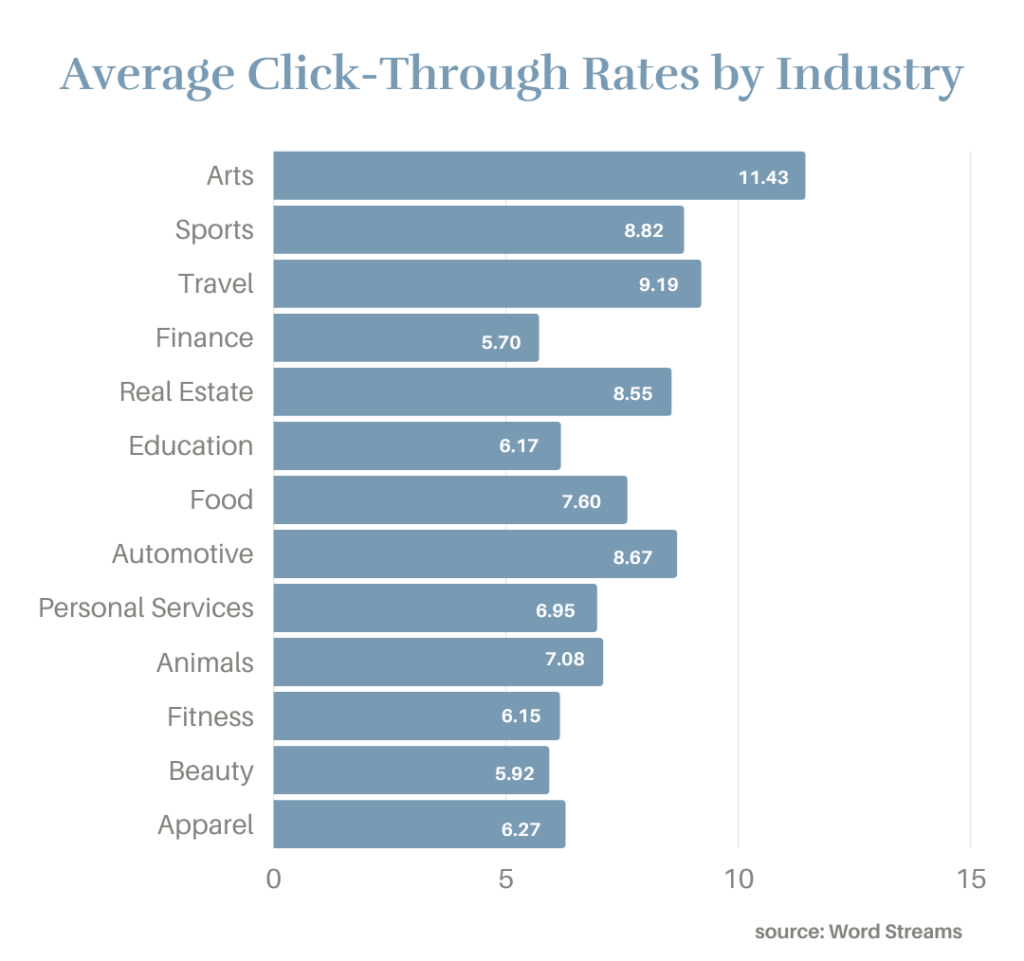
Social Media is Becoming “Pay to Play” What’s a Good CTR for Paid Traffic Campaigns? Paid Social Media vs. Organic Social Media: What’s the Difference? This year, new statistics and data have highlighted the undeniable power and potential of paid social media to help your business achieve marketing objectives. So, what’s the difference between organic and paid social? Aren’t they both just social media? Well yes, but it’s a bit more complicated than that. While both are forms of social media, they have different purposes, origins, and uses. Organic Social Media Building and engaging with an audience on social media platforms through non-paid methods is organic social media. This involves creating and sharing content on your brand’s social media profiles without using advertising budgets to boost visibility or reach a broader audience. Organic social media relies on the natural engagement and interactions of your existing followers and those who come across your content without any paid promotion. Unfortunately, organic social media results in limited visibility from your fans or followers.  The average post is seen by just 2.6% of a business’s followers. Organic still plays an important role in the presence of your business. Just think, if you were researching a local company and checked their Facebook page, how would you feel if their last post was from 2019?  Not good, right? Organic posts help your most loyal as well as potential customers know you are a thriving, active business. Paid Social Media Paid social media is when a business strategically pays to boost posts, run ads and achieve specific marketing objectives. There are many benefits to using paid social media in your marketing mix: Targeted Advertising: Paid social media platforms provide incredibly detailed targeting options. You can reach specific demographics, interests, behaviors, and even custom audiences, ensuring your ads are seen by the most relevant audience. Measurable ROI: You can track and measure the performance of your paid social media campaigns in real-time. This level of data-driven insight allows for continuous optimization, ensuring every dollar spent delivers measurable results. Personalized Experiences: Paid social media enables you to deliver personalized content to individual users. This personalization fosters deeper connections with your audience, increasing the likelihood of conversion and customer loyalty. Competitive Edge: Paid social media allows businesses of all sizes to compete on a level playing field. Small businesses can use targeted ads to go head-to-head with larger competitors. As advertisers, embracing the potential of paid social opens the door to a wealth of opportunities for connectivity, engagement, and triumph in the digital era. Therefore, as you venture into Q2 of 2024 and beyond, try to harness the capabilities of paid social media ensuring that each click, like, and share contributes meaningfully to your bottom line.

Get More Facebook Followers with the @ Feature

Boost Visibility with Facebook’s “@followers” Feature

Grab your Followers Attention Let’s face it, sometimes it can be difficult to make sure your Facebook post stands out among the multitude of posts and ads that appear in people’s news feeds. However, Facebook has a new feature to ensure that your Page’s followers see your important posts. You may already be familiar with Meta’s 2022 update that allowed Group admins to use the “@everyone” feature to notify all group members of a post. But, did you know Facebook now offers a feature that enables Page admins to tag all of their followers? When Page admins add “@followers” to a post caption or comment, all Page followers will instantly get a notification. This is a great way to improve your visibility and connect with your followers. The more people who see the post, the more engagement and reach that post will generate. It’s also an effective way to create a sense of excitement about an announcement or special event. Use the ‘@followers’ Feature Strategically  Facebook allows Page admins to use the “@followers” feature once per day. However, before you type “@followers” in your post, you may want to take a breath and think strategically about when to use this feature. If your followers get notifications from you too often, you risk annoying your loyal fans and diminishing the impact of the notification, which is the opposite of your intention. So, like many things in life, this feature is best used in moderation. For best results, experts suggest saving the “@followers” feature for when you have a significant announcement, important event, or a valuable post you want to make sure all your followers see.

Scroll to Top