Total Local Marketing

Content Marketing

AI Search

Smarter Search, Better Results

Optimizing Your Website for AI Search: What You Need to Know As artificial intelligence becomes more integrated into how people search online, it’s changing the way websites need to be built and structured. AI-driven search tools, like Google’s Search Generative Experience (SGE), Bing Chat, and ChatGPT’s web browsing, are designed to understand context, intent, and natural language, not just keywords. That means traditional SEO is evolving, and your website needs to keep up. So how do you optimize for AI search? It starts with making your content clear, conversational, and helpful. AI tools are trained to pull direct answers from web pages, so creating content that addresses common customer questions is key. That’s where FAQ pages come in. Start with Smart FAQs Well-structured FAQ sections provide straightforward answers to the types of questions people type — or speak — into search engines. Include questions and answers in a natural, conversational tone, and be sure to use headers or schema markup so search engines can recognize and display your content clearly. Build Content That Solves Problems   Beyond FAQs, focus on high-quality, informative content that matches your audience’s needs. AI search values pages that are useful, relevant, and authoritative. Consider using how-to guides, service explanations, and product comparisons to provide in-depth value. Don’t Overlook the Technical Stuff Also important: make sure your website is technically sound. Fast load times, mobile-friendly design, clean code, and strong internal linking all help AI understand and index your content effectively. Finally, keep your content updated. AI tools pull from current data, so a fresh, regularly updated site is more likely to be featured in AI-generated results. As AI reshapes search behavior, businesses that adapt early will have the upper hand. Optimizing your website for AI search isn’t just a trend — it’s the future of online visibility.


Website

Why Your Website Still Matters

Why Your Website Is Still Your Most Valuable Marketing Tool In the dynamic field of digital marketing, one tool remains essential for small and mid-sized businesses and organizations: your website. While social media, email campaigns, and online ads are all important, your website is the foundation of your online presence and it still does the heavy lifting when it comes to attracting, engaging, and converting customers. Your Website Is Your First Digital Impression Your website is often the first place potential customers go to learn about your business. It’s where people go when they want to learn more about your products, check your hours, browse your services, or decide whether to get in touch. A well-designed, user-friendly site builds credibility, showcases your services, and helps convert visitors into leads or sales. Mobile Matters The importance of mobile-friendliness cannot be underestimated. More than half of all website traffic now comes from mobile devices. If your site doesn’t look good or function well on a phone or tablet, you risk losing potential customers before they even scroll. A responsive design that is optimized for mobile ensures a seamless experience no matter the screen size. The Power of SEO Then there’s SEO, or search engine optimization. SEO is essential in helping people find your site. If your site isn’t optimized for search engines, customers might never find you in the first place. With smart keyword use, fast load times, and easy-to-navigate pages, your website can show up higher in search results and get seen by more potential customers. Clear Calls-to-Action Turn Visitors into Customers And let’s not forget calls-to-action (CTAs). These are the “Call Now,” “Get a Quote,” or “Shop Now” buttons that guide visitors to take that next step. Every page should have a clear path forward, so your site doesn’t just look good — it gets results. Think of your website as your digital storefront that’s open 24/7. It speaks for your brand, answers questions, and helps convert browsers into loyal customers.So how do you find your “one”? Start by asking: What’s the main thing I want people to know or do? That answer becomes your focus. From there, build your campaign around that message — and let it shine without distractions. Whether you’re running a seasonal promotion or launching a new service, leading with one clear message is the most powerful way to connect, engage, and turn those connections into loyal customers.

Message

Clarity Over Clutter

The Power of One: Why Focusing on One Core Message Works Best In the world of marketing, less is often more, especially when it comes to your message. As a small or mid-sized business, it can be tempting to try and promote everything at once: your services, values, products, team, and customer reviews all packed into one post, ad, or email. But the truth is, trying to say everything usually results in saying nothing clearly at all. That’s where the Power of One comes in. Focusing on one clear, core message — whether it’s a single offer, benefit, or brand promise — helps your audience quickly understand what you do and why it matters. In a world full of noise and short attention spans, clarity always wins. Here’s why it works: 1. Simplicity Sticks People remember simple messages. One strong idea is easier to recall and act on than a long list of features. 2. It Builds Consistency When your marketing materials, including social posts, ads, newsletters, and website, all reinforce the same core message, you create a stronger brand identity. 3. It Improves Engagement When your audience knows exactly what you’re offering or asking, they’re more likely to respond. So how do you find your “one”? Start by asking: What’s the main thing I want people to know or do? That answer becomes your focus. From there, build your campaign around that message — and let it shine without distractions. Whether you’re running a seasonal promotion or launching a new service, leading with one clear message is the most powerful way to connect, engage, and turn those connections into loyal customers.

Local Community Love

Show Your Local Love

Local Love: 6 Smart Ways to Market Your Business in Your Community When it comes to growing your small business, don’t underestimate the power of local connections. Marketing within your community helps build trust, increase brand visibility, and create lasting customer relationships. Here are six smart ways to show your business some local love: 1. Partner with Other Local Businesses Collaborate on promotions, bundle services, or co-host events. It’s a win-win that helps you reach new audiences while supporting fellow business owners. 2. Get Involved in Community Events Sponsor a local fundraiser, join a festival, or set up a booth at a farmers market. Showing up where your customers are builds visibility and goodwill. 3. Join Local Groups or Associations Be active in your chamber of commerce, networking groups, or professional organizations. Not only do they offer exposure, but they also connect you with valuable resources and referrals. 4. Use Local Print + Digital Advertising Together    Combining print (like community magazines or direct mail) with digital tools (social media or QR codes) helps you reach customers both online and offline for maximum impact. 5. Highlight Local Stories on Social Media Share customer spotlights, community news, or behind-the-scenes posts that make your audience feel more connected to your brand and your neighborhood. 6. Encourage & Showcase Local Reviews Word of mouth is powerful. Ask happy customers to leave online reviews and feature them on your website or in your marketing materials. By tapping into your local network, you’re not just promoting your business — you’re becoming a valuable part of the community. And that’s the kind of marketing that lasts.

QR Codes

The Power of QR Codes

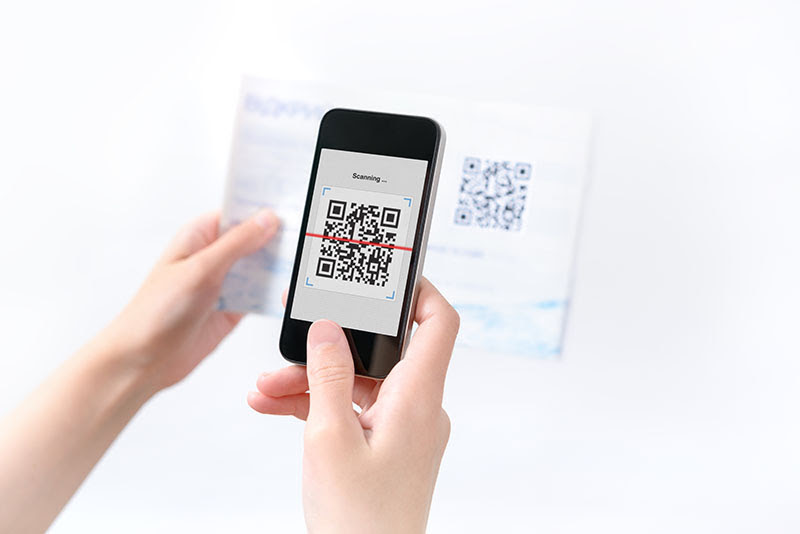
How QR Codes Can Connect Print to Digital For small and mid-sized business owners, finding smart, simple ways to bridge the gap between traditional and digital marketing is key, and QR codes are one of the easiest tools to do just that. QR codes (short for “Quick Response” codes) are those little black-and-white squares you’ve likely seen on menus, flyers, or packaging. When scanned with a smartphone, they instantly direct users to digital content like a website, video, special offer, or contact form. Why QR Codes Work for Your Business They’re Easy to Use – Most smartphones can scan a QR code with the camera app, so no special apps required. They Drive Engagement – You can turn a printed postcard or business card into a gateway to your online store, review page, or email list. They’re Budget-Friendly – Creating a simple QR code is free, low-cost customization and tracking options are available, and printing them on your materials is an affordable way to amplify your reach. Smart Ways to Use QR Codes in Your Print Marketing Print Advertisements: Make your magazine or newspaper ad interactive by linking to special offers, videos, or a contact form. Postcards & Flyers: Link to a limited-time offer, event registration, or online menu. Business Cards: Send people directly to your website, social media, or booking page. Store Signage: Let customers scan for reviews, special promotions, or to join your rewards program. Product Packaging: Include how-to videos, recipes, or care instructions for added value. Pro Tip: Track Your Results  Use a URL shortener or QR code generator that tracks scans. This lets you measure how many people are engaging with your code, and what’s working best. In short, QR codes are a simple, effective way to turn your print materials into interactive experiences that help your customers connect with your business anytime, anywhere.

Data Marketing

Smarter Marketing Starts with Data!

Making Smarter Moves: How to Use Data for Better Marketing Results Let’s be honest—when it comes to marketing, gut feelings only get you so far. If you really want to grow your business and connect with your audience, it’s time to lean into data-driven marketing. Don’t worry, you don’t need to be a numbers wizard to get started. So, what does data-driven marketing actually mean? In simple terms, it’s using real information — like website traffic, email open rates, social media engagement, and customer behavior — to make smarter marketing decisions. Instead of guessing what might work, you’re using actual results to guide your next move. Why It Matters Better targeting – Know who your audience is and what they care about so you can speak their language. Higher ROI (Return on Investment) – Stop wasting money on ads or strategies that don’t work. Put your budget where it really counts. Faster changes – When something isn’t working, your data will tell you. You can tweak things quickly and keep moving forward. Content that connects – Find out what posts, emails, or blogs your audience is loving—and do more of that! How to Get Started  1️. Know your goals: Want more website visits? More leads? Better sales? Start with that. 2️. Pick a few tools: Google Analytics, email reports, and social media insights are great places to begin. 3️. Check in regularly: Make it a habit to look at your data, not just once a year. 4️. Experiment and learn: Try new things, see what works, and adjust along the way. At the end of the day, data isn’t just numbers — it’s your audience talking to you. Listen closely, and you’ll be amazed at what you can learn.

Small Business

Small Business, Big Impact!

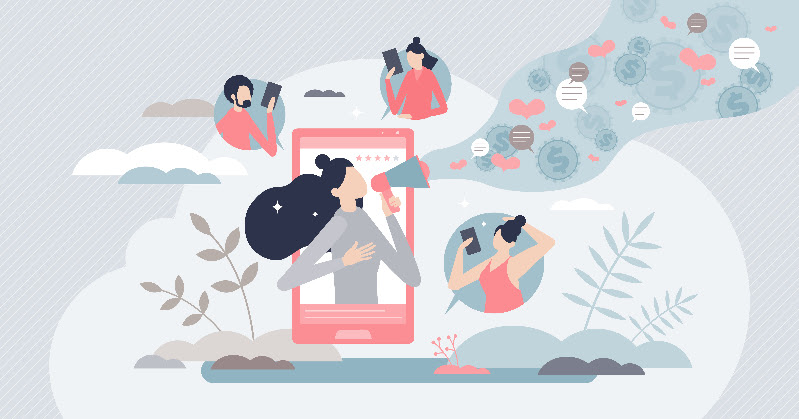
How Small Businesses Can Use Influencer Marketing to Increase Brand Awareness If you think influencer marketing is just for big brands with deep pockets, think again! Small businesses can tap into the power of social media by collaborating with local and micro-influencers to get their name out there — without breaking the bank. Why Micro-Influencers? Micro-influencers (those with 1K-100K followers) may not have millions of fans, but what they do have is trust and engagement. Their followers are loyal, engaged, and more likely to take their recommendations seriously. And when those influencers are local? Even better! You’re reaching an audience right in your own community — potential customers who can actually visit your business. The Benefits of Local Influencer Marketing  Affordable & Effective: Many micro-influencers work for free products or small fees, making this a budget-friendly option. Genuine Word-of-Mouth — content feels personal and authentic, leading to higher engagement. Local Exposure: You’re not just reaching anyone — you’re reaching your ideal customers in your area. Increased Brand Awareness: Even a single post can introduce your business to hundreds of thousands of potential buyers. How to Get Started Find the right influencers. Look for local content creators who align with your brand and have a highly engaged audience. Make an offer. Freebies, discounts, or paid partnerships — find what works best for both of you. Let them be creative. Authentic content performs better than overly scripted promotions. Track the impact. Monitor engagement, new followers, and any sales spikes. Influencer marketing doesn’t have to be complicated or expensive. Start small, build relationships, and watch your brand’s reach grow!

Email Newsletters

Smart Email Strategies

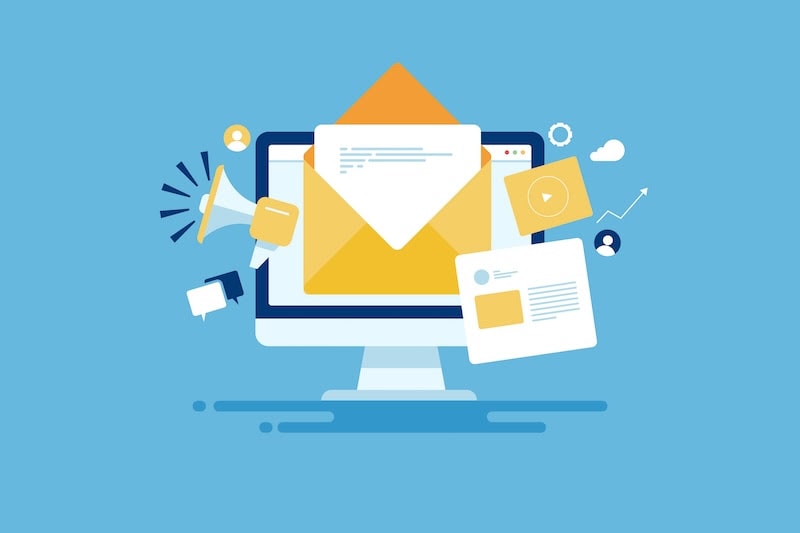
Grow Your Business with Email Newsletters & eBlasts Build or Rent a List, It’s Up to You! Email newsletters and eBlasts are cost-effective ways to connect with your audience, share valuable info, and drive new or repeat business — without breaking the bank. Plus, they give you measurable results to see what’s working! But what’s the difference between an email newsletter and an eBlast? Let’s break it down. Email Newsletters An example of an email newsletter is what you’re reading right now. It is a regularly occurring email with informational content. It can have multiple sections of information. The content you choose for each section depends on your industry. An email newsletter may contain calls to action or promotions, but these are not the sole purpose for sending out an email newsletter. Email newsletters are more about building relationships. Usually you select your audience for your email newsletter from past and current customers, prospective customers, people who attended your event or trade show, people who signup in your store, or people who subscribe on your website. eBlasts An eBlast is different from a newsletter in that it has one specific message. The primary purpose of an eBlast is to elicit an action from the recipient. Some calls to action may include asking the recipient to subscribe to your newsletter, visit your website, make a purchase, or call for an appointment. The call to action depends on your goal for that specific audience. While you can send email blasts to the same people who receive your email newsletter, usually eBlasts are more targeted. You identify one subset of your list that would benefit from the promotion or you rent a list using publicly available data to target an audience. Reputable companies from whom you can rent a list, gather the email addresses through a double opt-in process and scrub their lists regularly. Through list rental you can be very specific as to the audience that you want to target including, demographic data, geographic data, behavioral data, and data about purchase history. Email Newsletters and eBlasts help to push your message out to your specific audience when they may already be engaged in reading their email. In contrast, social media and many forms of advertising provide more impressions, but people may not be actively engaged to perform your call to action at the time they see your message. Receiving messages from your business via email will help your audience engage with you more often. We always see an increase in sales or contacts after an email newsletter is sent out, either by us or one of our clients Need help crafting the perfect email campaign? Start by knowing your audience and delivering value with every send!

Video Marketing

Create, Captivate and Convert

Video Marketing Strategies: Engage Your Audience Like Never Before! In today’s digital world, video marketing is one of the most powerful ways to capture attention and connect with your audience. Whether you’re creating content for social media, your website, or ads, an engaging video can boost brand awareness, drive sales, and increase engagement. But how do you create videos that stand out? Here are some key strategies: 1. Know Your Audience: Before hitting record, think about who you’re trying to reach. Are they looking for entertainment, education, or inspiration? Tailor your content to their interests and pain points. 2. Keep It Short & Engaging: Attention spans are short these days! Aim for 15–60 seconds for social media and under 2 minutes for websites and ads. It’s important to hook viewers in the first few seconds to keep them watching. 3. Optimize for Each Platform: Different platforms have different best practices. Vertical videos work great for Instagram Reels and TikTok, while horizontal videos suit YouTube and websites. Also, remember to use captions since many people watch without sound. 4. Tell a Story: People love storytelling. Instead of just selling and pushing products, create videos that connect emotionally — whether it’s a customer testimonial, behind-the-scenes footage, or a fun, relatable moment. 5. Add a Clear Call-to-Action (CTA): End your video with a strong CTA — whether it’s “Shop Now,” “Learn More,” or “Follow Us” — to guide viewers toward the next step. Video marketing doesn’t have to be complicated — just start creating! The more you experiment, the better you’ll get. Ready to elevate your video marketing? Would you like a custom strategy based on your business and vision? Let’s chat!

Facebook

Facebook Reach Up, Followers Down?

Facebook’s New Algorithm: More Views, Fewer Followers—Here’s What to Do If you’ve noticed a surge in Facebook post reach and interactions but a drop in new followers, you’re not alone. Facebook has tweaked the algorithm to prioritize engagement — showing more content to non-followers — without necessarily driving them to hit the “Follow” button. While this change can help your content gain visibility, it also means converting that exposure into loyal followers requires a more strategic approach. What’s Changing in Facebook’s Algorithm? 1. More Content from Non-Followed Accounts: Facebook is pushing more posts from pages users don’t follow, aiming to surface content based on engagement rather than direct follows. This means your posts may be seen by many people, but they won’t necessarily explore your page. 2. A Shift Toward Video & Recommended Posts: Much like TikTok, Facebook is focusing on Reels and suggested posts to keep users engaged. If your content includes video, you’re likely seeing more reach — but casual viewers might not feel the need to follow your page. 3. User Behavior Has Shifted: People are more likely to engage with individual posts (liking, commenting, or sharing) than to follow a page for ongoing updates. Without a compelling reason, they move on after engaging with your content. How to Convert Reach & Engagement into Followers 1. Make Following an Easy Decision: Clearly ask users to follow your page in post captions, stories, and videos. Use a CTA like: “Love this content? Follow us for more updates!” 2. Optimize Your Profile for First Impressions:  Pin a welcome post or video that highlights why users should follow you. Ensure your bio clearly states what value followers get from your page. 3. Create ‘Follow-Worthy’ Content:  Post exclusive content that followers get first access to. Use behind-the-scenes videos, community spotlights, or interactive Q&A sessions to build connections. 4. Engage More with Commenters: Reply to comments, ask follow-up questions, and encourage ongoing conversations. The more engaged the user is, the more likely they are to follow. 5. Leverage Contests & Giveaways: Require users to follow your page to enter. Example: “Tag a friend and follow us to win!”  6. Experiment with Facebook Ads: Instead of just boosting posts for reach, run targeted follower growth campaigns. Facebook’s changes mean visibility is easier to get, but followers take more effort. By strategically encouraging profile visits and making following a clear next step, you can turn those fleeting interactions into long-term growth. Would you like a custom strategy based on your audience insights? Let’s chat!

Scroll to Top