Total Local Marketing

Content Marketing

High-Value

Win High-Value Clients

Business-to-Business Marketing Strategies to Target High-Value Clients with Account-Based Marketing In today’s competitive Business-to-Business (B2B) landscape, Account-Based Marketing (ABM) is the key to winning high-value clients. Unlike traditional marketing, ABM takes a highly targeted approach, focusing on specific accounts that offer the greatest revenue potential and strategic value. Below are some powerful ABM strategies to engage and convert high-value clients. 1. Identify & Prioritize High-Value Accounts: Use data analytics, business characteristics (firmographics), and behavior indicators that show a prospects intent (intent signals), to identify companies that align with your ideal customer profile. Prioritize accounts based on revenue potential, industry influence, and long-term partnership opportunities. 2. Personalize Content & Messaging: Craft tailored content that speaks directly to each target account’s pain points and business goals. Whether through personalized emails, customized landing pages, or industry-specific case studies, the more relevant the messaging, the stronger the engagement. 3. Leverage a Multi-Channel Outreach: Use a mix of LinkedIn, targeted ads, direct mail, and personalized events to reach decision-makers. An omnichannel approach ensures your brand stays top-of-mind across multiple touch points. 4. Align Sales & Marketing Teams: Close collaboration between sales and marketing ensures seamless communication and a unified strategy. Sharing insights, account intelligence, and personalized outreach plans will drive stronger relationships and conversions. 5. Use Retargeting & Intent Data: Monitor engagement signals such as website visits, content downloads, and social interactions. Retarget high-interest prospects with relevant ads and follow-up content to keep them engaged. 6. Measure & Optimize Performance: Track key analytics like engagement rates, deal velocity, and ROI (Return on Investment) to refine your ABM strategy. Continuous observation and optimization ensures better results and stronger client relationships over time. Maximize Impact: Start Targeting High-Value Clients with ABM Today By implementing these ABM strategies, you can attract, engage, and convert high-value B2B clients more effectively, creating valuable relationships and engagement. Ready to take your marketing to the next level? Start targeting smarter with ABM today!

Marketing with AI

Power Your Marketing with AI

AI in Marketing: Transforming Customer Service, Content Generation, and Data Analysis Artificial Intelligence (AI) is reshaping the way businesses approach marketing, offering greater efficiency, more personalization, and deeper insights than ever before. Here’s how AI is making a significant impact on customer service, content generation, and data analysis. 1. AI-Powered Customer Service: Customer expectations for quick and personalized responses are higher than ever. AI-driven chatbots and virtual assistants are stepping up to handle basic inquiries, troubleshoot issues, and provide 24/7 support—all without human intervention. By automating routine responses and understanding customer sentiment, AI helps businesses provide faster, more efficient service while freeing up human agents for more complex tasks. 2. AI in Content Generation: Creating high-quality content at scale is a challenge, but AI-powered tools are changing the game. From generating drafts for blog posts and product descriptions to crafting personalized email campaigns, AI can produce relevant, engaging, and SEO-optimized content in mere seconds. AI also assists in A/B testing subject lines, social media posts, and ad copy, helping marketers boost customer engagement and boost sales. 3. Smarter Data Anaysis & Insights: AI can process vast amounts of customer data, market trends, and campaign performance metrics far more efficiently than humans. With AI-driven analytics, businesses can predict customer behavior, identify buying patterns, and personalize marketing efforts for maximum impact. AI enables real-time decision-making, helping marketers optimize ad spend, target the right audiences, and improve a business’s return on investment (ROI). The Future of AI in Marketing As AI technology continues to evolve, businesses that integrate AI-driven customer service, content generation, and data analysis will gain a competitive edge. By automating processes and leveraging insights, AI helps companies engage customers more effectively and drive smarter marketing decisions.

Trust

Build Trust, Boost Recognition

The Importance of Branding Consistency Across All Platforms In today’s fast-paced and highly competitive market, branding consistency is critical to building trust, recognition, and loyalty with your audience. Whether online or offline, keeping your brand’s messaging and visuals uniform ensures a cohesive identity that resonates with customers and reinforces your credibility. Why Branding Consistency Matters Builds Recognition: Consistent use of logos, colors, fonts, and tone helps your brand become instantly recognizable. When customers see the same branding across your website, social media, business cards, and print advertisements, it reinforces your identity and leaves a lasting impression. Establishes Trust: Inconsistent messaging or visuals can confuse or alienate your audience. A unified brand creates a sense of professionalism and reliability, making it easier for customers to recognize and trust you. Amplifies Marketing Efforts: Cohesive branding ensures that your message is clear across all platforms, maximizing the impact of your marketing campaigns. Whether it’s an email newsletter, social media ad, or website copy, consistency ties everything together seamlessly. Tips for Maintaining Brand Consistency Create a brand style guide: Outline your logo usage, colors, typography, tone of voice, company vision and message, and imagery guidelines. Synchronize online and offline channels: Your website, social media profiles, print materials, and signage should all reflect the same design and messaging. Check in regularly: Periodically review your platforms to make sure your branding remains consistent and up to date. Consistency isn’t just about looking good; it’s about building a strong, trustworthy connection with your audience. By presenting a cohesive brand identity, you set yourself apart from competitors and create a lasting impression that drives loyalty and growth.

Micro-Moments

Mastering Micro-Moments!

How to Engage Consumers When They’re Ready to Act —and Why It Matters More Than Ever Are You Ready for Micro-Moments? Turn Searches into Sales! Micro-moments are those small, intent-rich moments when consumers turn to their devices (usually smartphones) to act on a need—whether it’s to learn something, do something, discover something, watch something, or buy something. These moments are fragmented, but they are powerful touchpoints in a consumer’s journey. Micro-moments are critical for marketers because they often lead to direct action. Four Key Micro-Moments: “I want to know”: Consumers are researching, but not necessarily ready to buy. They want useful information and are likely comparing options. For example, someone may search “best local restaurants” when considering options but not necessarily making a reservation. “I want to go”: Consumers are actively looking for a local business or place to visit. They are likely near a decision point and looking for directions or nearby stores. For instance, a user might search for “restaurants near me” while on the move. “I want to do”: In these moments, people want help completing a task or trying something new. They may search for a tutorial or instructions, such as “how to repair a fence” or “quick home renovation tips.” Marketers can create content around these needs. “I want to buy”: Consumers are ready to make a purchase and need help deciding how or where to do it. They might search for “best affordable insurance” or “buy furniture,” and these searches are often accompanied by high intent to convert. Why are Micro-Moments Important? High Intent: Consumers engage in these moments with a specific goal, and they’re primed to take action quickly. Marketers who meet their needs instantly can influence the outcome. Mobile-Centric: Many of these moments happen on mobile devices, making mobile optimization essential for businesses. Customer Trust: Providing the right information or service in a micro-moment builds trust and brand loyalty because you’re delivering exactly what the consumer needs when they need it. How to Capitalize on Micro-Moments Be There: Anticipate the moments your audience will experience and ensure your brand appears as a top result when they search. Be Useful: Offer content that answers the questions or solves the problem your audience has in that exact moment. Be Quick: Mobile users expect fast-loading pages and immediate results. Speed and usability can make or break a customer interaction. Example for Local Businesses: Let’s say a power washing service wants to capture “I-want-to-go” or “I-want-to-buy” micro-moments. Step 1: Optimize their Google My Business listing to appear in local searches. Step 2: Create mobile-friendly content, such as “Quick Tips for Deck Maintenance,” and optimize your website for voice search. Step 3: Use paid search or social media ads targeted to people within a specific radius who are searching for power washing. Engage customers when they turn to their devices for quick information or solutions. Prepare to capitalize on these spontaneous, decision-making moments by anticipating those moments that lead to direct action.

Reputation

Manage Your Reputation

The Power of Reputation Management for Small Businesses Why Reputation Management Matters In a digital-first world, your business’s reputation is always on display. By being proactive and consistent in managing your reputation, you’ll create a positive impression that lasts and keeps customers coming back. Small efforts in reputation management today can lead to big rewards for your business in the future. First Impressions Are Online – When potential customers search for your business, their first stop is often online reviews. According to recent studies, 93% of consumers read online reviews before making a purchase decision. Your online reputation sets the tone for how people see your business, whether they’ve visited you or not. Trust is Everything – Customers are more likely to do business with companies they trust, and positive reviews build that trust. In fact, businesses with excellent online reputations can charge more for their products or services because people are willing to pay for the assurance of quality. Word of Mouth is Digital  – In the past, word-of-mouth marketing happened in person, but now it happens online through social media, review platforms, and forums. Managing your reputation ensures that the online conversations about your business are positive and reflect the quality of products or services that you provide. The Long-Term Benefits of Reputation Management For small businesses, reputation management is about building a foundation of trust and credibility. By actively engaging with customers, monitoring feedback, and promoting your strengths, you can take control of your online image and grow your business.

Interest

Turn Interest into Action

Turning Interest into Action: The Power of Retargeting Ads Converting “Window Shoppers” into Buyers Retargeting ads are an essential tool in your digital marketing arsenal. It’s common for potential customers to visit a website, browse products or services, and then leave without contacting you or making a purchase. These are your “window shoppers.” They’ve shown interest but haven’t yet converted into buyers. Retargeting ads are a powerful tool to bring these visitors back and turn their interest into action. What Are Retargeting Ads? Retargeting ads, also known as remarketing ads, are a form of online advertising that targets users who have previously interacted with your website or app. When a visitor leaves your site without completing a desired action—such as making a purchase or filling out a contact form—retargeting ads work by displaying your ads to them as they browse other websites or social media platforms. These ads act as gentle reminders, nudging potential customers to return to your site to give you a call or complete the transaction. By keeping your brand top-of-mind, retargeting ads can significantly increase your chances of converting window shoppers into buyers. How Retargeting Ads Work The process begins by adding a small piece of code, called a tracking pixel, to your website. When a user visits your website the code tags them and enables you to follow them across the web. When this user visits other sites or scrolls through their social media feeds, they’ll see your retargeting ads, showcasing the products or services they visited on your site. These ads can be highly customized based on the user’s behavior on your site. For example, if someone added an item to their shopping cart, but didn’t check out, you can show them ads featuring that exact item with an enticing discount or limited-time offer to encourage them to complete the purchase. Why Retargeting Ads Are Effective Recapturing Lost Opportunities: On average, only about 2% of website visitors convert on their first visit. Retargeting ads allow you to engage with the remaining 98% of visitors who have shown interest, but haven’t yet made a decision. Increased Brand Recall: Retargeting ads keep your brand in front of potential customers. This repeated exposure builds familiarity and trust, which are crucial factors in the decision-making process. Personalization: With retargeting, you can tailor your ads to match the specific interests of your audience. Personalized ads resonate more with users, increasing the likelihood of conversion. Cost-Effective: Retargeting focuses your advertising budget on individuals who have already shown an interest in your offerings, making it a more cost-effective way to drive conversions. Segment Your Audience: Not all window shoppers are the same. Segment your audience based on their behavior, such as visitors who viewed a product page versus those who abandoned their cart. Create tailored ad campaigns for each group. Create Compelling Ad Copy and Visuals: Your ads should be visually appealing and include a clear call to action. Use language that speaks directly to the user’s experience, such as “Still interested in [Product/Service]? [Get it/Call] today!” Set Frequency Caps: While it’s important to stay top-of-mind, you don’t want to annoy your audience with too many ads. Set frequency caps to limit the number of times your ads are shown to the same user. Offer Incentives: Encourage conversions by offering discounts, free shipping, or other incentives in your retargeting ads. A special offer can be the final push a window shopper needs to make a purchase. Monitor and Optimize: Continuously track the performance of your retargeting campaigns. Use the data to make adjustments and improve your strategy over time. Best Practices for Retargeting Ads By strategically targeting users who have already expressed interest in your products or services, you can turn hesitant window shoppers into loyal customers. With the right approach, retargeting ads can boost your conversion rates, enhance brand recall, and ultimately drive more sales.

Public Relations

Grow with PR

What is Public Relations and How Can It Help Small Businesses Grow? Earned Media Attention Public relations (PR) is all about managing how your business is perceived by the public. Unlike advertising, which is paid for, PR focuses on earning positive attention through press releases, feature stories, social media, community engagement, sponsorships, and more. For small businesses, PR can be a game-changer in building a strong brand and driving growth. How PR Can Boost Your Business Increase Visibility: PR helps get your business noticed. Whether it’s a feature in a local newspaper, a mention in an industry blog, or a shoutout on social media, these earned spots put your brand in front of potential customers.  Build Trust: Being featured in reputable media or being seen as a thought leader in your industry makes your business more credible. When customers see positive mentions, they’re more likely to trust your brand.  Strengthen Customer Relationships: PR isn’t just about attracting new customers; it’s also about keeping the ones you have happy. Regular communication, engaging with your community, and responding to feedback all help build loyalty. Open New Doors: Good PR can lead to partnerships, collaborations, and other opportunities that might not have come your way otherwise. It’s all about positioning your business as an active, engaged part of the community. Support Marketing Efforts: A strong PR strategy can complement your marketing, reinforcing your brand’s message, and helps drive interest in your products or services. Handle Crises: Every business hits bumps in the road. A good PR plan includes handling negative situations with grace and protects your reputation when things go wrong. Getting Started with PR You don’t need a big budget to start with PR. Focus on sharing your story, connecting with local media, and engaging with your community. The goal is to create a positive image that resonates with your audience and helps your business stand out.

Holiday

Plan Now for the Holidays

Holiday Marketing Tips Prepare Now for the Holidays The holiday season is a critical time for businesses, offering opportunities to boost sales and connect with customers. Preparing your marketing strategy early can help you stand out in a crowded market. Here are some tips to help you get ahead and make the most of the upcoming busy season. Set Clear Goals Start by outlining your goals. Whether you want to increase sales, enhance brand awareness, or launch a new product, having clear objectives will guide your marketing strategy. Define what success looks like and set measurable targets. Review Past Performance Analyze the performance of previous holiday campaigns by identifying what worked well and what didn’t. Use this data to refine your strategy, focusing on the tactics that yielded the best results. Craft Compelling Offers Holiday shoppers are looking for value. Create enticing offers, such as discounts, bundles, or limited-time promotions. Make sure these offers are compelling enough to motivate your audience to act. Optimize Your Website and Online Store Ensure your website is ready to handle increased traffic. A fast, user-friendly site with easy navigation and a seamless checkout process is crucial. Mobile optimization is also essential, as many shoppers will be browsing and buying from their phones. Leverage Email Marketing Email remains a powerful tool for holiday marketing. Segment your email list to send personalized offers and holiday greetings. Schedule a series of emails leading up to the holidays, highlighting different products or promotions to keep your audience engaged. Enhance Your Social Media Presence Social media is an excellent platform for reaching your audience and driving engagement. Create a content calendar that includes holiday-themed posts, product showcases, and interactive content like contests or giveaways. Utilize paid advertising to expand your reach. Implement Geo-Fencing and Audience Targeting Use advanced targeting techniques like geo-fencing to reach customers in specific locations. This is particularly effective for local businesses looking to attract nearby shoppers. Audience targeting can help you tailor your ads to specific demographics or buying behaviors, increasing the relevance and impact of your campaigns. Collaborate with Influencers and Partners Partnering with influencers or other businesses can amplify your reach. Choose influencers who align with your brand and have an engaged following. Collaborations can include product endorsements, co-branded promotions, or special events. Create Engaging Content Develop content that resonates with your audience. This could include holiday gift guides, how-to videos, customer testimonials, or behind-the-scenes looks at your holiday preparations. Quality content can build anticipation and keep your brand top of mind. Prepare for Customer Service Excellent customer service is vital during the busy holiday season. Train your team to handle increased inquiries and issues promptly. Consider extending your customer service hours and offering multiple contact methods, such as chat, email, and phone support. Monitor and Adjust Your Strategy Once your campaign is live, monitor its performance closely. Use analytics to track key metrics and be ready to make adjustments as needed. Flexibility can help you respond to unexpected challenges and maximize your campaign’s effectiveness. By starting your holiday marketing preparations now, you can ensure a smooth and successful campaign. With clear goals, compelling offers, and strategic use of digital tools, your business can make the most of the holiday season and achieve your marketing objectives.

User-generated

Embrace User-Generated Content!

Maximizing User-Generated Content for Your Business Embrace Content Created by Your Audiences User-generated content (UGC) is any content created by your customers rather than by your business. This can include photos, videos, reviews, testimonials, and social media posts. For small local businesses, leveraging UGC is a powerful way to build trust and community, showcasing genuine customer experiences that resonate more deeply with potential clients. 1. Host Local Contests and Giveaways Encourage customers to share their experiences with your products and services Use specific hashtags for participation Offer small prizes or tokens of appreciation to boost engagement and sharing 2. Create a Community Hashtag Develop a unique and memorable hashtag Promote it across your store, website, and social media Encourage customers to use it in their posts 3. Feature Customer Stories Share customer experiences, reviews, and testimonials on social media and your website Display customer photos and testimonials in your store Use in-store displays, social media posts, and other marketing materials, to encourage customers to share their experiences 4. Engage with Local Influencers Find influencers in your community that actively share information on social media, with local hashtags, and who have a large following Partner with local influencers  to create content that highlights your business Ask the influencers you partner with to amplify other UGC 5. Organize Community Events Host workshops, meet-ups, or charity events Encourage attendees to share their experiences on social media Use branded hashtags for event posts User-generated content can be a powerful tool for your business, providing an authentic and engaging way to connect with your community. Be sure to use social listening tools that can track your business mentions and hashtags. By hosting contests, creating community hashtags, featuring customer stories, showcasing UGC, engaging with local influencers, organizing community events, and celebrating customer contributions, you can build a stronger, more connected local brand.

Gamification

Level Up Your Marketing with Gamification

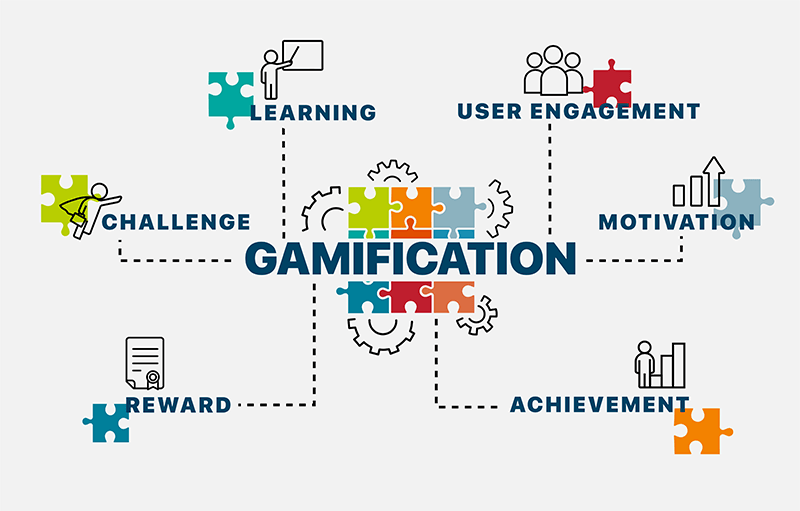
Unlock the Power of Play: Transform Your Marketing with Gamification! Increase Engagement, Build Loyalty, and Drive Sales with Gamified Marketing Want to make your marketing campaigns more engaging? Gamification could be the solution! By adding game-like elements to your campaigns, you can turn ordinary customer interactions into fun, memorable experiences. What is Gamification? Simply put, gamification means using game elements — like points, quizzes, and giveaways —in non-game settings. It’s about making your marketing fun and interactive, encouraging people to engage more deeply with your brand. A Historical Example: McDonald’s Monopoly One of the most famous gamified marketing campaigns is McDonald’s Monopoly. Since the late 1980s, McDonald’s has run this promotion, where customers collect game pieces with their meals. These pieces correspond to properties on a Monopoly board, with the chance to win prizes ranging from free food to cash and cars. The campaign has been hugely successful in driving customer engagement and increasing sales. Why Gamify? Engagement: Gamified campaigns are interactive and exciting, keeping people interested and involved. Loyalty: Rewarding customers for their participation builds stronger emotional connections with your brand. Conversions: Interactive elements guide users through the buyer journey, often leading to higher sales. Insights: Track customer interactions to gather valuable data and refine your strategies. Types of Gamified Campaigns Points and Rewards Systems: Customers earn points for actions like purchases, social media shares, or signing up for newsletters. These points can be redeemed for discounts, free products, or other rewards. Challenges and Contests: Create fun challenges that encourage users to participate and share their experiences. Contests with attractive prizes can generate buzz and increase engagement. Quizzes and Trivia: Interactive quizzes related to your products or services can educate and entertain your audience, making them more likely to remember your brand. Leaderboards: Display top participants on a leaderboard to foster a sense of competition. This can motivate users to engage more to see their names at the top. Scavenger Hunts: Organize online or offline scavenger hunts where customers search for clues or complete tasks. This can drive traffic to your website or physical store. Badges and Achievements: Award badges or achievements for reaching milestones. This can encourage continuous engagement and loyalty. Ready to Play? Gamification isn’t just a buzzword; it’s a powerful tool to make your marketing more engaging and effective. So, why not give it a try? Add some fun to your campaigns and watch your customer engagement soar!

Scroll to Top