Total Local Marketing

Content Marketing

SMS

The Power of SMS Messaging

The Power of SMS Messaging: Instant Reach & High Open Rates A Must-Have Marketing Tool In today’s fast-paced digital world, businesses are constantly seeking effective ways to connect with their customers. While email and social media are popular communication channels, SMS messaging (a text messaging protocol) has emerged as a powerful tool that shouldn’t be overlooked. With its high open rates and immediate reach, SMS messaging offers unique advantages that can significantly enhance customer engagement and drive business growth. Why SMS Messaging? Instant Reach: SMS messages are typically opened within minutes of being received, making them an ideal way to communicate time-sensitive information. Whether it’s a flash sale, an appointment reminder, or an urgent update, SMS ensures your message gets noticed promptly. High Open Rates: Unlike emails that can easily get buried in a crowded inbox, SMS messages boast an impressive open rate of over 90%. This means your messages are far more likely to be seen and acted upon by your audience. Direct and Personal: SMS provides a direct line to your customers, creating a personal connection that other channels often lack. Personalized messages can make customers feel valued and appreciated, fostering loyalty and enhancing their overall experience with your brand. Practical Applications Promotions and Discounts: Inform customers about special offers, exclusive discounts, or upcoming sales. A quick, enticing message can drive immediate traffic to your store or website. Appointment Reminders: Reduce no-shows and last-minute cancellations by sending reminder texts for appointments or reservations. This not only improves operational efficiency but also enhances customer satisfaction. Order Updates: Keep customers informed about their order status with real-time updates. From shipping confirmations to delivery notifications, SMS keeps your customers in the loop, enhancing their shopping experience. Customer Support: Offer quick and convenient customer support via SMS. Customers can easily text their queries and receive prompt responses, making their interaction with your business smooth and hassle-free. Best Practices Get Permission: Ensure you have explicit consent from customers before sending them SMS messages. This not only complies with legal regulations but also respects their privacy. Keep it Short and Sweet: SMS messages have a limited character count, so be concise and to the point. Deliver your message clearly and make sure it’s easy to understand at a glance. Personalize Your Messages: Use the recipient’s name and tailor the content to their preferences and behaviors. Personalized messages are more engaging and effective. Provide Value: Every message you send should offer value to the recipient. Whether it’s valuable information, a special offer, or a useful reminder, make sure your messages are worth their attention. Include a Clear Call to Action: Guide your customers on what to do next by including a clear and compelling call to action. Whether it’s clicking a link, visiting your store, or replying to the message, make it easy for them to take the desired action. Integrate SMS into Your Marketing Strategy Consider how your business can create a cohesive and an effective multi-channel strategy with SMS messaging to deliver timely, relevant, and personalized messages that drive action and build stronger customer relationships. By leveraging its immediacy and high open rates, integrating SMS messaging with other marketing tactics can amplify your reach and improve customer engagement. To be successful, be sure to define clear goals, segment your audience, and craft compelling messages, consistently across each media channel. Remember to monitor performance and stay compliant to ensure long-term success.

Touchpoints

Unlocking the Power of Touchpoints

How Many Touchpoints Does It Take to Convert a Customer? Understanding the Touchpoints Needed for Brand Recall, Customer Contact, and Purchase Decisions Last week we covered why understanding the customer journey is crucial for any business to succeed. Key components of this journey are touchpoints, the interactions between your brand and potential customers. So, how many touchpoints does it take for a customer to remember your brand, contact you, and ultimately make a purchase? Let’s break it down. Remembering Your Brand Building brand awareness is the first step. On average, it takes 7 to 10 touchpoints for a customer to remember your brand. This can include seeing your logo, hearing your name, or encountering your advertisements across different media. Repeated exposure through various channels helps solidify your brand in the minds of consumers. Contacting Your Business Once a customer is aware of your brand, it takes additional touchpoints to prompt them to contact you. Generally, 5 to 7 touchpoints are necessary for a customer to move from brand awareness to making contact. These interactions might involve visiting your website, reading reviews, or engaging with your social media content. Each touchpoint builds interest and trust, encouraging the customer to take the next step. Making a Purchase After initial contact, several more touchpoints are required before a customer makes a purchase. Typically, it takes 3 to 5 touchpoints post-contact to convert a lead into a paying customer. Touchpoints at this stage may include calls, in-person meetings, follow-up emails, personalized offers, and further communication to address specific needs or concerns. By maintaining consistent and relevant communication, you can guide the customer toward a purchase decision. Total Touchpoints Cumulatively, from brand awareness to final purchase, the total number of touchpoints can range from 15 to 20! Optimizing Your Touchpoints To maximize the effectiveness of your touchpoints, consider these strategies: Consistent Messaging: Ensure your brand message is clear and uniform across all channels Multi-Channel Approach: Utilize a mix of print, broadcast, and online advertising to reach customers at various stages Personalization: Tailor your messages to address the specific needs and preferences of your target audience Engagement: Encourage interaction through social media, email campaigns, and other direct communication methods Follow-Up: Implement follow-up strategies to nurture leads and guide them through the purchasing process By understanding and optimizing the number of touchpoints, you can effectively guide customers from brand awareness to purchase, ultimately driving growth and success.

Purchase

Navigating the Path to Purchase

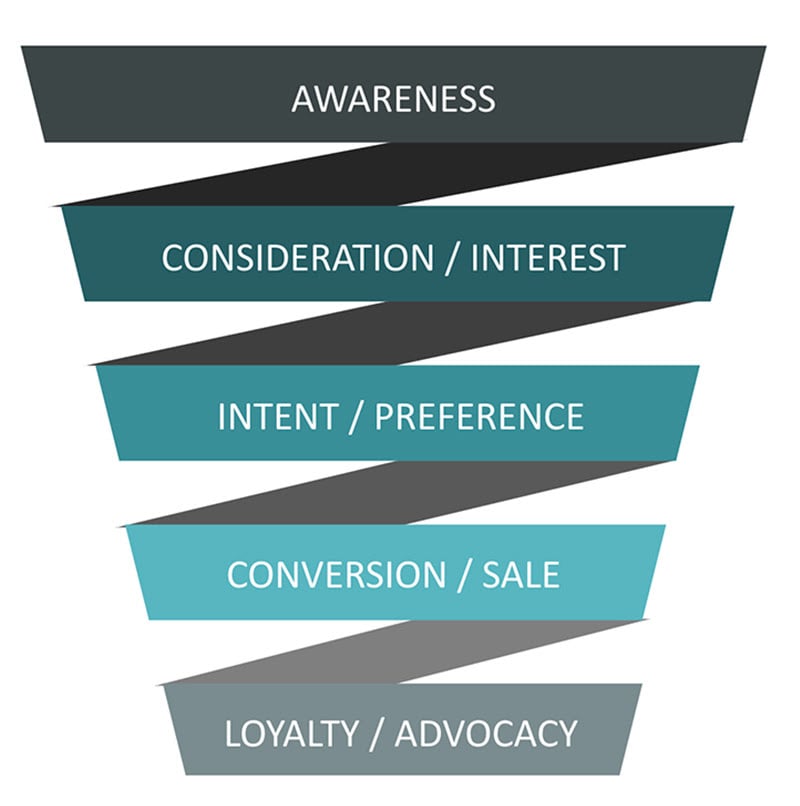
Your Customers are on a Journey Navigating the Path to Purchase In today’s competitive market, understanding the customer journey is crucial for businesses aiming to effectively reach and engage their target audience. The customer journey is a comprehensive process that maps out the stages a consumer goes through from initial awareness to post-purchase engagement. Each stage of this journey requires different media and marketing activities to influence and guide customers towards making an informed decision. While there is some overlap, let’s use this framework to explore these stages and the relevant media and marketing activity for each. Awareness Stage –  Your potential customers become aware of your brand, product or service Objective: Capturing attention and sparking interest Media / Activities: Out of Home, Billboards, Events & Sponsorships, Ads (TV, Radio, Print, Social Media) Consideration / Interest Stage – They now know they want your brand, product, or service, and will start doing some research to see their options Objective: Nurturing interest and building trust Media / Activities: Email Marketing, Direct Mail, Retargeting Ads, Brochures, Webinars, Online Events, Trade Shows Intent / Preference Stage – They have formed an opinion about you versus your competitors and your unique proposition becomes especially important Objective: Encouraging conversion and purchase Media / Activities: Product Reviews, Testimonials, Comparative Content, Personalized Direct Mail, Sales Calls, In-person Meetings, Point of Sale Displays Conversion / Sales – The customer is now a conversion or paying customer. Making their purchase as smooth and seamless as possible is key Objective: Fostering loyalty and repeat business Media / Activities: Loyalty programs, customer service channels including social media and chat bots, content marketing, newsletters, follow up calls Loyalty / Advocacy – Customers will share positive or negative experiences person-to-person and throughout the internet and social media Objective: Encouraging word-of-mouth and referrals Media / Activities: Referral programs, user-generated content, online reviews, community engagement, customer appreciation events Understanding the customer journey and leveraging the appropriate media at each stage can significantly enhance your marketing efforts. By strategically using different media channels, businesses can effectively guide potential customers from initial awareness to becoming loyal advocates. Each stage presents unique opportunities to engage with your audience, build relationships, and ultimately drive growth for your business.

Relationship Marketing

Relationship Marketing Success

Relationship Marketing Best Practices Building Long-Term Customer Connections Relationship marketing is a strategic approach focused on creating, maintaining, and enhancing strong, lasting relationships with customers. At its core, relationship marketing is about understanding and meeting the needs and preferences of customers to build trust and loyalty. It involves personalized communication, consistent value delivery, and ongoing engagement to create meaningful connections. Best Practices for Relationship Marketing Personalized Communication: Tailor your interactions to individual customers. Use data to understand their preferences, behaviors, and needs. Personalized emails, messages, and offers show customers that you value them as individuals Loyalty Programs: Implement loyalty programs that reward repeat customers. Points systems, exclusive discounts, and special offers for loyal customers can incentivize continued engagement and repeat purchases Consistent Engagement: Maintain regular communication through various channels like email, social media, and in-app messaging. Share valuable content, updates, and personalized offers to keep customers engaged Exceptional Customer Service: Provide outstanding customer service at every touchpoint. Quick responses, efficient problem-solving, and a helpful attitude can significantly enhance customer satisfaction and loyalty Customer Feedback: Actively seek and act on customer feedback. Use surveys, reviews, and direct communication to understand customer experiences and improve your offerings based on their input Community Building: Foster a sense of community among your customers. Create online forums, social media groups, or in-person events where customers can connect with your brand and each other Relationship marketing is essential for building long-term customer loyalty and engagement. By focusing on personalized communication, consistent engagement, exceptional service, and community building, businesses can create strong, lasting relationships that drive sustained success.

Event Marketing

Engage Event Audiences

Event Marketing: Engaging Your Niche Audiences Trade Shows, Business Expos, Community Events, & More! Event marketing is a powerful strategy that allows businesses and organizations to connect with specific, custom audiences based on the audiences’ participation in particular events. This approach can significantly enhance marketing efforts by targeting individuals who are already interested in relevant activities. Pre-Event Marketing Definition: Activities aimed at promoting an event to potential attendees before it takes place by leveraging demographic and interest data to reach potential attendees, as well as collaborating with influencers, sponsors, and relevant organizations to spread the word Purpose: To ensure a good turnout by driving registrations and ticket sales Example: Using social media, email marketing, and online advertisements to promote the event Day-Of Event Targeting  Definition: Day-of event targeting involves capturing the device IDs of attendees at a specific event to market directly to this custom, niche audience Purpose: To build a custom audience based on actual event attendance for precise marketing efforts Example: Encouraging attendees to use event apps or attend sponsors’ hosted activities Event Retargeting Definition: Event retargeting focuses on marketing to event attendees after the event has concluded Purpose: The aim is to keep the brand or event fresh in the minds of attendees, encouraging further engagement and conversions Example: Promoting related product, services, or future events through digital advertising to the same audience Event Fencing Definition: Event fencing is a more comprehensive strategy that involves capturing the device IDs of attendees at an event through a geo-fence and marketing to them both during and after the event Purpose: The objective is to continuously engage with attendees throughout the event’s duration and beyond, allowing for more dynamic and sustained marketing efforts When It Happens: Both during and after the event, but only applicable to events lasting longer than one day. The rule of thumb is that 10% of the devices are captured during an event, so a larger event for your target market is better Example: Utilizing geofencing technology to capture attendee data at a multi-day trade show, then using that data to send targeted advertisements during the event and follow-up promotions post-event Together these three tactics collectively make up event marketing, which when used effectively can significantly boost engagement and conversion rates of niche audiences. By capturing and leveraging attendee data, businesses and organizations can create highly targeted marketing campaigns that resonate with their niche audience, driving continued interest and loyalty.

Integrated Marketing

Synergize Your Marketing!

Synergy: the Power of Integrated Marketing Campaigns Take a Holistic View for the Best Results Integrated marketing campaigns stand out as a powerful strategy for brands to cut through the noise and make a lasting impression. By seamlessly combining media channels, such as print, digital, social media, television, and more, brands can create cohesive campaigns that amplify their message and engage consumers on multiple levels. In an integrated marketing campaign, the goal is often to create a synergy among different channels, where each channel complements the others to achieve the overall objectives. For example, a print ad may focus on building brand awareness and recall, while email marketing may be more effective for a direct response. Here are some key considerations when crafting an integrated marketing campaign: Consistent Brand Messaging Maintain a unified brand identity across all channels for better recognition and credibility. Whether it’s a print ad in a magazine, a social media post, or a television commercial, maintaining a unified brand identity with consistent logos, slogans, and visual elements is key. Maximize Reach and Exposure Utilize multiple channels to reach a broader audience and increase brand visibility. Different media channels attract different demographics and psychographics, and by utilizing a mix of print, digital, and other channels, advertisers can extend their reach and tailor their message to specific segments. Cross-Promotion Encourage interaction across channels by including calls to action to other forms of media. A print ad, for example, can include a QR code directing readers to visit a website or social media page for more information. Sequential Storytelling Brands can use different media channels to tell a cohesive story, with each piece of content building upon the last. For instance, a print ad might introduce a product, followed by online videos demonstrating its features, and culminating in a television commercial showcasing customer testimonials. Enhance Brand Recall Integrated campaigns enhance brand recall through repetition and consistency. By exposing consumers to the brand message multiple times across different channels, advertisers increase the likelihood of them remembering the brand when making purchasing decisions. Optimize Marketing Spend By analyzing data and insights from various sources, marketers can identify which channels are most effective in reaching their target audience and adjust their strategies accordingly. Data and insights from various sources play a crucial role in understanding how different channels contribute to overall campaign performance and where to allocate resources most effectively. Agility and Adaptability Integrated campaigns provide the flexibility for marketers to adjust their strategies in real-time based on market trends, consumer behavior, and performance metrics. This agility allows brands to stay relevant and responsive to changing consumer needs and preferences, ensuring the success of their campaigns in the long run. Ultimately, the effectiveness of an integrated marketing campaign lies in its ability to leverage the strengths of each channel in a coordinated manner to create a seamless and engaging experience for consumers, driving both brand awareness and immediate action when appropriate. It’s essential for marketers to take a holistic view of their advertising efforts and consider the cumulative impact of each channel on their consumers’ journey.

Sales

Unpacking Marketing, Advertising, PR, & Sales

Up Your Game: Align Marketing, Advertising, PR, & Sales for Business Growth Batter Up! Confused about how marketing, advertising, publication relations (PR), and sales work together to drive growth in your business? Sometimes analogies help, and who doesn’t love baseball, especially this time of year! Marketing is like a coach and rule book for a baseball team, encompassing all aspects of the game. Marketing helps you craft the vision and strategy for your team’s success. Advertising is like the star player, capturing attention and generating excitement among fans, your customers. PR is like the team’s mascot and spokespeople who have a relationship with the media and the community, fostering a positive image and building a loyal customer base. And sales, much like the ticket office, converts leads into paying customers and revenue for your business. Marketing (Coach & Rule Book) Marketing develops your overall strategy to understand and meet your customer needs. Marketing communications also uses data and market insights to direct your brand identity, messaging, and positioning, ensuring a consistent and compelling narrative across all channels. Advertising (Star Player) Advertising aims to create and reinforce brand recognition so that when customers are ready to purchase, they think of your business first. This recall is vital in driving purchasing decisions, especially in today’s media rich environment and crowded marketplace. Advertisers use a variety of media and targeted campaigns to promote your products or services to generate brand awareness and stimulate demand among specific audiences. PR (Mascot & Spokesperson) Your relationship with the media and the community is crucial for building a positive image and generating support for your business. The role of public relations is to manage media inquiries, cultivate relationships with journalists and influencers, and organize events to engage with your community. Sales (Ticket Office) Sales is responsible for converting fans (or leads) generated by the other players into paying customers, ensuring financial stability for your business. The role of sales is to engage with potential customers, understand their needs, and close deals, ultimately generating revenue for your business. How They Work Together Just as a successful baseball team requires the seamless collaboration between all its players to form a winning team, these four marketing elements work together to achieve common goals. Marketing provides the strategic foundation, advertising generates awareness and excitement, PR builds relationships and enhances reputation, and sales delivers results. By conducting all four and aligning them, you create a winning strategy that drives business growth.

Audio Ads

Amplify Your Business with Streaming Audio Ads

The Rise of Audio The Stats Streaming audio advertisers deliver audio ads through streaming and downloadable audio content, such as podcasts, music, online radio and more. 90% of the one billion global streaming listeners, choose ad supported channels. (XAPP Media) Ad supported internet radio is expected to increase to $4.7 billion by 2025 (Economics of Internet, Music and Radio) Podcast listeners spend an average of 90 minutes in their cars (Nielson) Why Streaming Audio? Highly engaged listeners, many users listen to streaming audio for extended periods, often while engaged in other activities Listeners say audio ads are less disruptive than other types of advertising Hard to skip ads, especially when users are engaged in other activities while listening Cost effective compared to traditional radio advertising and other forms of media Measurable results, streaming audio platforms typically provide detailed analytics that allow advertisers to track the performance of their ads in real-time Audience Targeting Streaming audio platforms often collect data on users’ listening habits, preferences, and demographics. This data allows advertisers to target specific audiences based on factors like age, location, interests, and music genre preferences, ensuring that ads reach relevant listeners. Streaming audio ads can help small businesses increase brand awareness among their target audience. By repeatedly exposing listeners to their brand message, businesses can create familiarity and build trust with potential customers over time.

Streaming TV Advertisers

What’s the Buzz Around Streaming TV?

Why Should Advertisers Move to Streaming TV in 2024? The Stats It’s 2024, the way that people watch TV is changing! Long gone are the days of moving your TV antennae with extreme care to weasel out a better signal. Cords are finally taking a break, making room for a double-digit migration from Traditional TV to the world of Streaming TV. In 2024 Streaming TV ad spend is expected to reach $30.1 billion (about $93 per person in the US), which is a 22.4% increase from 2023.  By 2027, CTV ad (aka Streaming TV) spending is expected to grow by 72.5% to $42.4 billion (which is about $130 per person in the US). Traditional TV vs. Streaming TV Targeting Capabilities But why are advertisers funneling money to Streaming TV? What’s so special about streaming compared to Traditional TV advertising, they are both just TV, right? Wrong! Streaming TV has so many more targeting capabilities than most people realize with audience reach, content delivery, and interactivity that can up your advertising game. Audience Reach Traditional TV Advertising: It reaches a mass, market audience through scheduled broadcasts on cable or network television Streaming TV Advertising: It targets specific audiences based on demographics, interests, and viewing behavior since streaming platforms allow for more targeted advertising Content Delivery Traditional TV Advertising: Advertisements are shown during scheduled program breaks, and viewers have limited control over content Streaming TV Advertising: Viewers have more control over content, often choosing when and what to watch. Ads may be integrated into the streaming service, and viewers might have the option to skip Interactivity Traditional TV Advertising: Generally lacks interactivity, with viewers having limited engagement options during the ad Streaming TV Advertising: Offers more interactive features, such as QR codes, clickable ads, surveys, and direct response mechanisms, providing a more engaging experience How to Purchase Streaming TV Advertising Okay, okay, so now that we know Streaming TV in 2024 will be hot and trending, the big question is, “What’s our move?” How do we snag those prime spots on major streaming platforms? You can contact Total Local! We can help you with advertising placement on Streaming TV. How can Total Local, a small local company do this? Anyone can sell streaming advertising now. Long gone are the days of relying on the big guys in broadcast.  And, we’ve partnered with a national company that specializes in placing streaming ads. We can meet with you in person and be your local resource for navigating this new ball game. So, cover your bases, because the field is wide open, and anyone can step up to the plate.

Content

Boost Your Visibility with Fresh Content

Fresh, Quality Content Is Key The Importance of Regularly Adding New Content to Your Website As a business owner, it may be tempting to think that once you have a good solid website for your company, you can just sit back with a sigh of relief and let it be. But that would be depriving your business of one of the most effective ways to boost your visibility online: regularly creating fresh content.  Search engines like Google love fresh and relevant content. Regularly updating your website with new content sends a signal to search engines that your site is active and trustworthy, allowing your site to come up higher when someone searches online. This way, new content dramatically improves your site’s SEO (search engine optimization), which in turn drives more potential customers to your website. You may wonder, what exactly is fresh content? Content is any form of media that shares relevant and useful information. Fresh content informs, teaches, or entertains the people who see it. For example: Blog articles: Adding new blog articles to your website on a regular basis is one of the best ways to improve your SEO, plus inform your readers about different aspects of your business. This also gives you a chance to incorporate valuable keywords into your website, allowing search engines to help readers find your business more quickly. Videos: Relevant videos about the products and services your company offers are entertaining and informative. They can help your website stand out from your competition and also improve your SEO. Images and Image Galleries: Great photos enhance the user’s experience and inform consumers about your company’s products and services. Also, if you use captions and tags with your photos, this adds relevant keywords to your website, allowing search engines to point more users your way.

Scroll to Top