Total Local Marketing

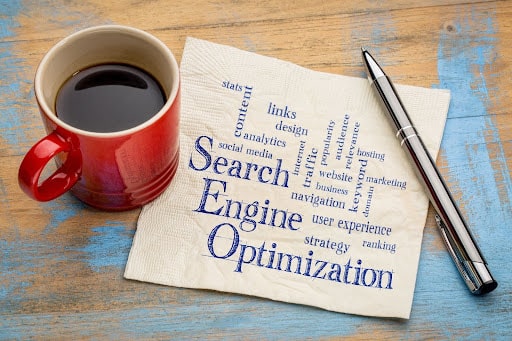
Search Engine Optimization

AI - Ask Anything

Optimize for AI

ChatGPT and AI Search: The Next Evolution in Online Discoverability The way people search for information online is changing rapidly. Traditional search engines like Google have long relied on keyword matching, backlinks, and site authority to decide what results to show. But now, artificial intelligence, especially tools like ChatGPT, is reshaping how people discover content online. For businesses, this shift represents both a challenge and a major opportunity. From Keywords to Conversations AI-driven search doesn’t just look for matching words; it understands meaning. Instead of typing “best local plumber Mason MI,” users might ask, “Who can fix a leaking pipe near me today?” ChatGPT and similar models analyze intent, context, and even tone to provide more accurate, conversational answers. This change means that optimizing for AI search requires more natural, human-centered writing. Businesses that answer real customer questions in plain language will stand out Building AI-Friendly Content To stay visible in this new landscape, websites need to provide clear, structured information that AI can easily interpret. Adding schema markup helps AI understand what your business does and where you serve. Likewise, well-written FAQs and conversational blog posts give AI models the context they need to reference your site in results. AI search systems also value authority and trust. Consistent branding, genuine customer reviews, and high-quality backlinks still matter, but now they work alongside clarity and transparency. If your content is confusing, outdated, or too promotional, AI systems are less likely to surface it. What This Means for Small Businesses For local businesses, AI search and tools like ChatGPT are leveling the playing field. Someone asking about “trusted attorneys near Grand Ledge” or “best physical therapists for back pain in Lansing” could now find recommendations directly through conversational search, without even clicking to a traditional results page. Businesses that maintain complete Google Business Profiles, accurate directory listings, and content that reads naturally have a distinct advantage. The Bottom Line AI search isn’t replacing SEO — it’s evolving it. Businesses that adapt early will be easier to find, easier to trust, and better positioned for the next phase of digital discovery. At Total Local, we help businesses create content that speaks both to people and to AI, ensuring you stay visible wherever your customers are searching.

Local SEO

From Hidden Gem to Local Star!

The Power of Local SEO: Get Found by Customers in Your Area When it comes to attracting nearby customers, Local SEO (Search Engine Optimization) is one of the most powerful tools small and mid-sized businesses can use. Local SEO ensures your business shows up in search results when people in your area are looking for the products or services you offer, especially on mobile devices and Google Maps. Optimize Your Google Business Profile A critical first step is claiming and optimizing your Google Business Profile. This free tool puts your business on the map, literally! Make sure your listing is complete and up to date with your address, hours, phone number, website, and service areas. Add engaging photos and respond to questions or reviews to show customers you’re active and attentive. Reviews Build Trust and Visibility Speaking of reviews, they’re a big deal. Positive reviews help build credibility and trust with potential customers. Encourage happy clients to leave feedback and always respond to reviews — both the good and the not-so-good. This shows you value your customers and care about their experience. Keep Local Listings Consistent In addition to Google, make sure your business is listed consistently across online directories, such as Yelp, Bing Places, and local chamber websites. Inconsistent or outdated listings can hurt your visibility and confuse potential customers. Social Media: A Smart SEO Ally Maintaining social media channels for your business is another popular way to increase visibility and SEO. Facebook is very popular with adult consumers, so keeping up with a company Facebook page is a valuable way to communicate, in addition to providing links to your website. Local SEO isn’t just about algorithms. It’s also about connecting with your community. When done right, it helps drive foot traffic, increase calls and clicks, and ultimately grow your business.

SEO Backlinks

SEO Backlink Basics

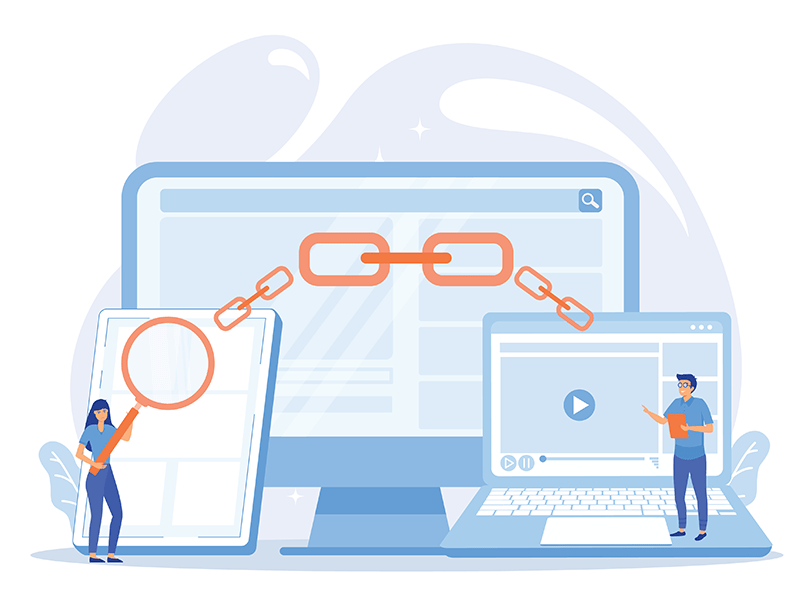
Understanding Backlinks: Building Blocks for SEO Success What Are Backlinks, and Why Are They Crucial? Backlinks are links from one website to another, acting as endorsements of your content. They are a key factor in SEO because search engines see backlinks as signals of credibility. The more high-quality backlinks you have, the more likely your site is to rank higher in search results. The most valuable backlinks come from high-authority websites or industry-specific sites, and they should be naturally embedded within content rather than placed in footers or sidebars. How to Build Quality Backlinks Create High-Quality Content: Producing valuable, informative content like guides, original research, or infographics can naturally attract backlinks. Guest Blogging: Writing for other websites in your niche is an excellent way to secure backlinks. Make sure to contribute meaningful content that fits the host site’s audience. Broken Link Building: Reach out to websites with broken links and offer your content as a replacement. This tactic helps both you and the website owner by fixing their link while providing you with a backlink. Content Syndication: Syndicating your content on platforms like Medium or LinkedIn can help increase exposure and attract backlinks. While syndicated links may not always directly boost SEO, they improve visibility, and users who discover your content might link back to your original content. Digital PR: Building relationships with journalists, bloggers, and influencers can result in media mentions and valuable backlinks. Directory Submissions: Submitting your business to reputable online directories, such as Google My Business, Yelp, Yellow Pages, and industry-specific directories, can provide valuable “do-follow” backlinks. While these may not carry the same weight as major publications, they are especially useful for local SEO and improving visibility in location-based search Do Social Media Links Help with SEO? Social media links—on platforms like Facebook, Twitter, and Instagram—are typically “no-follow.” This means they don’t directly boost your SEO by passing authority. However, they still play an important role in your strategy by driving traffic, increasing content visibility, and encouraging natural backlinks from other websites. Social signals (likes, shares, and comments) can indirectly improve your website’s credibility and help search engines recognize the popularity of your content. The Winning Combination To achieve SEO success, focus on a mix of strategies: build high-quality backlinks, submit your business to relevant directories, syndicate your content, and maintain an active social media presence. While not every link provides direct SEO benefits, combining these tactics can help drive traffic, build credibility, and ultimately improve your search engine rankings.

Off-Site SEO

Off-Site SEO Tips

Off-site SEO Spreads the Word and Gets Your Business Noticed, Both Digitally and Locally Search engine optimization (SEO) is a key way to get your business noticed. SEO isn’t just one tactic, but a combination of efforts that work together to build your company’s visibility. Regardless of what product or service your business offers, your target customers are likely using online search engines like Google to get information about it. Sources say that more than 8 out of 10 consumers look for businesses online using search engines. Off-site SEO consists of actions you take (other than advertising) to promote your website on various online platforms. This strategy is sometimes referred to as building legitimate inbound links from trusted sources. Not only does this make your business easier to find through other channels, but it also boosts your SEO ranking with Google, making your website come up more prominently when an online search is conducted. Directories – Registering your company with national and local directories also falls into this category, and is one of the most important ways to connect with your community. Reviews – Garnering positive reviews on Google, Yelp, and other review sites is great, as this creates ways for consumers to learn about your company, plus the review sites provide links leading back to your website. Social Media – Maintaining social media channels for your business is another popular way to increase visibility and SEO. Facebook is very popular with adult consumers, so keeping up with a company Facebook page is a valuable way to communicate, in addition to providing links to your website. There is no doubt that Search Engine Optimization helps increase visibility, which in turn draws more customers to your company. It takes some work to implement these strategies, and it can take some time to build your SEO ranking, but it will be well worth it in the long run.

Smart Marketing

Search Engine Optimization as a Smart Marketing Strategy

If you have a business that you want to market effectively, you will need a strategy that not only draws consumers to your website, but also makes your website easy to find. Search Engine Optimization (SEO) is essential for this. SEO is a strategy for improving your website’s ranking in search engine results. Regardless of what product or service your business offers, your target customers are likely using online search engines like Google to get information about it. Sources say that more than 8 out of 10 consumers look for businesses online using search engines. In our tech-savvy, digital world, a good SEO strategy will help get your company noticed. The good news is, there are some basic steps you can take to improve your website’s SEO, and over time, your website’s ranking will climb in those Google searches. That way, when a consumer does an online search for a product you offer, your company will be higher on the page, and therefore more visible and accessible. There are two basic types of SEO, onsite and offsite. Both are important in improving your search engine rankings. Onsite SEO refers to actions you take to make your actual website more search engine-friendly, while offsite SEO consists of actions you take (other than advertising) to promote your website on other sites or platforms. Rather than going into a lot of technical details, this article will give a broad overview and some basic tips. Onsite SEO Improves Both Your Online Ranking & Your Audience Experience Onsite SEO is the work you can do on your actual website to help it rank higher with Google, so when a consumer does an online search for a product or service you offer, your company will come up higher on the list rather than buried on some distant page of an online search. Also, in doing this work, you are improving the website itself, making your audience’s experience with your business better. The first is identifying keywords that a consumer might use when searching for your product or business, and then using those keywords in your title, the body of your page, the meta description, and alt text in your images. If this seems a bit overwhelming, a useful tool is an SEO website plugin that helps you organize this. For WordPress websites, the Yoast plugin is a great SEO help. Also, making sure your website is mobile-friendly is important, since the percentage of consumers using their phones for online searches is growing. Perhaps the single most important aspect of good onsite SEO is supplying quality, unique, and current content. If you have interesting content, readers are going to be drawn to it and will be more likely to share it, increasing your visibility. One way to showcase original content is to have a blog on your website that you can update with new articles regularly. Offsite SEO Spreads the Word, Both Locally & Digitally Offsite SEO, on the other hand, consists of actions you take (other than advertising) to promote your website on other platforms. This strategy is sometimes referred to as building legitimate inbound links from trusted sources. Not only does this make your business easier to find through other channels, but it also boosts your SEO ranking with Google, making your website come up more prominently when an online search is conducted. Registering your company with local directories falls into this category, and is one of the most important ways to connect with your community. Garnering positive reviews on Google, Yelp, and other review sites is great, as this creates ways for consumers to learn about your company, plus they provide links leading back to your website. Maintaining social media channels for your business is another popular way to increase visibility and SEO. Facebook is very popular with adult consumers, so keeping up with a company Facebook page is a valuable way to communicate, in addition to providing links to your website. There is no doubt that Search Engine Optimization helps a website’s visibility, which in turn draws more consumers to your company. It takes some work to implement these strategies, and it can take some time to build your SEO ranking, but it will be well worth it in the long run. This article gives a broad overview of a complex, yet essential issue. If you need any advice or help with SEO, both onsite and offsite, the professionals at Total Local would be more than happy to help. We offer several different programs for both onside and offsite SEO.

Scroll to Top