Total Local Marketing

Digital Marketing

Local SEO

From Hidden Gem to Local Star!

The Power of Local SEO: Get Found by Customers in Your Area When it comes to attracting nearby customers, Local SEO (Search Engine Optimization) is one of the most powerful tools small and mid-sized businesses can use. Local SEO ensures your business shows up in search results when people in your area are looking for the products or services you offer, especially on mobile devices and Google Maps. Optimize Your Google Business Profile A critical first step is claiming and optimizing your Google Business Profile. This free tool puts your business on the map, literally! Make sure your listing is complete and up to date with your address, hours, phone number, website, and service areas. Add engaging photos and respond to questions or reviews to show customers you’re active and attentive. Reviews Build Trust and Visibility Speaking of reviews, they’re a big deal. Positive reviews help build credibility and trust with potential customers. Encourage happy clients to leave feedback and always respond to reviews — both the good and the not-so-good. This shows you value your customers and care about their experience. Keep Local Listings Consistent In addition to Google, make sure your business is listed consistently across online directories, such as Yelp, Bing Places, and local chamber websites. Inconsistent or outdated listings can hurt your visibility and confuse potential customers. Social Media: A Smart SEO Ally Maintaining social media channels for your business is another popular way to increase visibility and SEO. Facebook is very popular with adult consumers, so keeping up with a company Facebook page is a valuable way to communicate, in addition to providing links to your website. Local SEO isn’t just about algorithms. It’s also about connecting with your community. When done right, it helps drive foot traffic, increase calls and clicks, and ultimately grow your business.


Omni-Channel Marketing

One Strategy, Endless Reach!

Omni-Channel Marketing: Creating a Seamless Customer Experience In today’s world, customers interact with brands everywhere—social media, websites, emails, apps, and even in-store. The key to winning their loyalty? Making sure their experience is smooth, consistent, and connected across all platforms. What Is Omni-Channel Marketing (And Why Should You Care)? Omni-Channel Marketing is all about connecting the dots between different channels so your customers get a seamless experience. Whether they start browsing on Facebook, sign up for an email, and then walk into your place of business, their journey should feel effortless and personalized, like one continuous conversation. Why It Works (And Why You Need It!) Consistency is key: No matter where customers engage with your brand, they should see the same message and branding. Better Customer Experience – When things flow smoothly, customers stay happy (and keep coming back). Higher Conversions – A connected experience means fewer lost sales and more happy customers. Smarter Marketing – With integrated data, you learn what works and can fine-tune your strategy. How to Make Omni-Channel Work for You Know Your Customers’ Journey – Where do they interact with your brand? Map it out. Stay Consistent – Keep your messaging and branding unified across all platforms. Use Smart Tech – Analytics tools help track and personalize experiences. Think Mobile-First – Make sure everything is seamless on any device. Test, Learn, Repeat – Use insights to keep improving! Example of Omni-Channel in Action A customer sees an ad or post about a product on Facebook, clicks on it, browses your website, later receives a personalized email reminder, and finally visits your business to purchase—where the staff already knows their preferences. By creating a frictionless and connected customer journey, omni-channel marketing boosts engagement, brand loyalty, and sales. Omni-channel marketing isn’t just a buzzword—it’s how brands build lasting relationships.

Personalization

Boost Engagement with the Magic of Personalization!

The Power of Personalization in Marketing: Leveraging Data to Create Impactful Campaigns In a world where customers are inundated with information, personalization has become essential for cutting through all the digital noise. Personalized marketing allows you to tailor your messages to individual customers, making them feel valued and understood. By leveraging data effectively, businesses can create tailored email campaigns, personalized website experiences, and targeted ads that resonate deeply with their audience. When customers feel valued and understood, they are more likely to pay attention and show their brand loyalty to your company. Personalizing Email Campaigns Email is a powerful direct communication tool, and personalization can significantly enhance its impact. Start by understanding your audience and segmenting them based on behavior, demographics, or preferences. For instance: Send product recommendations based on past purchases. Offer location-specific promotions or discounts. Personalize subject lines, greetings, and content based on previous interactions. Personalized content, like addressing the recipient by name or mentioning recent interactions, adds relevance to emails. Automation tools enhance this by sending timely messages, such as cart abandonment notifications or re-engagement campaigns, ensuring each message is delivered to the right audience at the perfect moment. Personalizing Website Experiences Your website is often the first interaction potential customers have with your brand. Using cookies, browsing behavior, and purchase history, you can tailor the user experience to individual preferences. Dynamic website content allows businesses to: Highlight products a user has previously viewed. Show location-specific shipping options or pricing. Offer promotions aligned with the user’s browsing habits. Interactive elements, like quizzes or recommendation engines can guide visitors to products that suit their needs. Additionally, creating customized landing pages for different audience segments improves the user journey, boosts engagement, and increases the likelihood of conversion. Personalizing Ads Targeted advertising is crucial for reaching the right audience. Behavioral targeting enables businesses to retarget users who showed interest but didn’t purchase, while contextual ads align with the content users are browsing. Geotargeting leverages location data to offer promotions or services specific to the user’s area. This works especially well for local businesses or events. Platforms like Facebook and Google also enable lookalike audience targeting, helping you expand your reach while maintaining relevance. Key Data Sources for Personalization As far as best practices for leveraging data, it’s important to respect privacy. Always comply with data privacy regulations and be transparent about data collection and usage. Some important sources include: CRM Systems: Store detailed customer information for segmentation and targeting. Web Analytics: Track user behavior, such as time on site and pages visited. Email Engagement Metrics: Analyze open rates, click-throughs, and preferences. Social Media Insights: Use demographic and behavioral data from platforms like Facebook or Instagram. E-Commerce Data: Leverage purchase history, cart activity, and product views. Final Thoughts Personalization in marketing isn’t just a luxury; it’s a strategy for success. By leveraging customer data thoughtfully, businesses can deliver meaningful, personalized experiences through email campaigns, websites, and ads. The result? Engaged audiences, stronger customer relationships and a competitive edge in the marketplace.

Interactive Content

Click, Play, & Engage!

Captivate Your Audience with Interactive Content Capturing audience attention has always been a challenge, but with the rise of digital distractions, it’s more important than ever to stand out. Static content like blog posts and social media updates can inform and entertain, but interactive content takes engagement to a whole new level. Quizzes, polls, and other interactive features transform passive viewers into active participants, making your brand more memorable and your message more impactful. Why Interactive Content Works Interactive content invites participation, making it inherently more engaging. Instead of passively consuming information, users are encouraged to interact with your brand, transforming a one-way message into a conversation. This approach taps into a natural human desire to be involved, fostering a deeper connection with your content. Quizzes and polls are particularly effective because they provide instant feedback or results, creating a satisfying user experience. For example, a quiz titled “What’s Your Perfect Home Style?” can not only entertain but also subtly guide users toward specific products or services, such as furniture or home improvement services. Building Engagement and Sharing Interactive features excel at sparking conversations. When users complete a quiz or vote in a poll, they’re more likely to share their results, inviting friends to join the experience. This creates a ripple effect, increasing your reach organically and establishing your brand as engaging and fun. Gaining Valuable Insights Interactive content isn’t just about engagement; it’s also a powerful data collection tool. Polls can gauge audience preferences, while quizzes can help segment users based on their interests or needs. These insights enable businesses to tailor future campaigns, refine product offerings, or even create new services. Implementing Interactive Content Adding interactive features doesn’t have to be complex or expensive. Many tools allow you to easily integrate quizzes, polls, and calculators into your website or social media platforms. For instance: Social Media Polls: Instagram Stories, Facebook, and Twitter make it easy to create quick polls. Embedded Quizzes: Tools like Typeform or Canva allow you to design engaging quizzes tailored to your brand. Interactive Infographics: Use clickable elements to reveal more information or guide users through a narrative. Interactive content is more than a trend—it’s a way to captivate, engage, and learn from your audience. By incorporating quizzes, polls, and interactive features into your marketing strategy, you can transform passive users into active participants, driving both engagement and valuable insights for your brand.

Digital Marketing

Top 10 Digital Marketing Strategies

Top 10 Essential Practices for Digital Marketing Success Prioritize Your Digital Presence In today’s competitive digital landscape, effective marketing is essential to connect with audiences and create brand loyalty. Digital marketing success hinges on understanding your audience, creating relevant content, and integrating a consistent message across multiple channels. Here’s a breakdown of the top ten most effective practices for successful digital marketing. 1. Understand Your Audience Knowing your audience is the foundation of a successful digital marketing strategy. Choose platforms where they spend their time, tailor messages to your audience, and share your business story authentically. Convey your brand’s unique value in ways that resonate. 2. Content, Content, Content Content is the heartbeat of digital marketing, from social posts and blogs to videos and whitepapers. Create meaningful, relevant content to captivate your audience and boost engagement. Integrate press releases, direct mail, TV and radio, and even outdoor ads into your digital marketing campaigns for an even broader reach. 3. Website Optimization Your website isn’t just a brochure; it’s a powerful tool for conversion and brand growth. Invest in a user-friendly design, meaningful content, and effective SEO to attract organic traffic. Make sure it is up-to-date both from a technology standpoint as well as with fresh content. Use specific pages to direct users toward conversion actions. 4. Online Directories Accurate listings on platforms like Google My Business, Bing, and Yelp increase your visibility. Directory listings are valuable for off-site SEO, expanding your online presence beyond your website. Keep your information up-to-date and respond to reviews. Consider additional directories like Chamber of Commerce listings to reach a wider audience. 5. Email Marketing Email remains a vital channel for fostering customer relationships. Grow your email list, segment your audience, and personalize your messages for maximum impact. Be consistent on the days and times you send out your communications. 6. Social Media Social media is not solely a sales tool; it’s where you build community. Limit promotional posts to 10%, and focus on sharing valuable content that aligns with your brand. Offer content that’s informative, entertaining, or community-centered. 7. Prioritize Content Before Ads Before diving into paid advertising, ensure your website, directories, email marketing, and social media are in place. This creates a strong base for paid ad campaigns. Build trust and engagement through organic efforts first. Then use ads as a complement to well-established content channels. 8. Targeted Digital Advertising Digital ads like Digital Display Advertising, Pay-Per-Click (PPC), and social media ads allow for detailed audience targeting, maximizing your ROI by reaching the right audience at the right time. Retarget visitors who have shown interest in your website. 9. Consistent Brand Image Across Platforms Creating a consistent brand image across multiple media channels amplifies recognition and guides your audience across digital and physical touchpoints. Align your visuals and message elements across media. Create calls to action to engage your audience. 10. Patience – Marketing Takes Time Digital marketing is about persistence and consistency. Repeated exposure across touchpoints is key to moving potential customers from awareness to action. In today’s crowded media landscape it takes frequent, multiple interactions for conversions. Build a marketing plan that allows time for measurable results. Build a Strong Digital Presence Mastering digital marketing starts with content. Build your website, manage your social channels, and make sure your directory listings are up-to-date. Then consider paid advertising on social and across digital platforms. By following these principles, businesses can establish a powerful digital presence and create long-lasting relationships with their audience.

SEO Backlinks

SEO Backlink Basics

Understanding Backlinks: Building Blocks for SEO Success What Are Backlinks, and Why Are They Crucial? Backlinks are links from one website to another, acting as endorsements of your content. They are a key factor in SEO because search engines see backlinks as signals of credibility. The more high-quality backlinks you have, the more likely your site is to rank higher in search results. The most valuable backlinks come from high-authority websites or industry-specific sites, and they should be naturally embedded within content rather than placed in footers or sidebars. How to Build Quality Backlinks Create High-Quality Content: Producing valuable, informative content like guides, original research, or infographics can naturally attract backlinks. Guest Blogging: Writing for other websites in your niche is an excellent way to secure backlinks. Make sure to contribute meaningful content that fits the host site’s audience. Broken Link Building: Reach out to websites with broken links and offer your content as a replacement. This tactic helps both you and the website owner by fixing their link while providing you with a backlink. Content Syndication: Syndicating your content on platforms like Medium or LinkedIn can help increase exposure and attract backlinks. While syndicated links may not always directly boost SEO, they improve visibility, and users who discover your content might link back to your original content. Digital PR: Building relationships with journalists, bloggers, and influencers can result in media mentions and valuable backlinks. Directory Submissions: Submitting your business to reputable online directories, such as Google My Business, Yelp, Yellow Pages, and industry-specific directories, can provide valuable “do-follow” backlinks. While these may not carry the same weight as major publications, they are especially useful for local SEO and improving visibility in location-based search Do Social Media Links Help with SEO? Social media links—on platforms like Facebook, Twitter, and Instagram—are typically “no-follow.” This means they don’t directly boost your SEO by passing authority. However, they still play an important role in your strategy by driving traffic, increasing content visibility, and encouraging natural backlinks from other websites. Social signals (likes, shares, and comments) can indirectly improve your website’s credibility and help search engines recognize the popularity of your content. The Winning Combination To achieve SEO success, focus on a mix of strategies: build high-quality backlinks, submit your business to relevant directories, syndicate your content, and maintain an active social media presence. While not every link provides direct SEO benefits, combining these tactics can help drive traffic, build credibility, and ultimately improve your search engine rankings.

Strategy

Which Digital Ad Strategy is Right for You?

LSAs vs. PPC vs. Programmatic Ads: Choosing the Right Strategy Understanding the Difference Between Google Local Services Ads, Pay-Per-Click Ads, and Programmatic Display Ads  When it comes to digital advertising for home service providers—whether you’re in HVAC, plumbing, or electrical services—there are three main options to consider: Google Local Services Ads (LSAs), Pay-Per-Click (PPC) ads, and Programmatic Display Advertising. Each has its own strengths, cost structures, and targeting strategies. Let’s break down the differences and see how they compare. Local Services Ads (LSAs) LSAs are specifically designed for local service businesses. These ads appear at the very top of search results, often with a Google Guaranteed badge. The key advantage of LSAs is their pay-per-lead model, where you only pay when a potential customer contacts you directly through the ad. Lead costs can range from $20 to $100, depending on your location and industry. LSAs are ideal for generating high-quality leads because users are typically ready to buy when they contact you. Pay-Per-Click (PPC) Ads PPC ads are more traditional search ads, appearing below LSAs in Google results. You’re charged on a pay-per-click basis, and the cost per click can vary from $10 to $50 for home service providers, depending on your market. PPC allows you to target specific keywords, but you’re paying for every click—whether or not it leads to a conversion. While PPC gives you greater control over your campaigns (through keyword targeting, ad copy, etc.), it can be more costly, with higher cost-per-conversion compared to LSAs. Programmatic Display Advertising Programmatic display advertising automatically buys ad space across the web, showing visual banner ads to users based on behavior, demographics, or interests. It allows for precise targeting, reaching your audience outside of search results. Programmatic ads are charged on a cost-per-thousand-impressions (CPM) basis, usually ranging from $5 to $20. Unlike PPC and LSAs, these ads appear on websites, apps, and streaming platforms, offering broader reach and engaging potential customers earlier in their buying cycle. While excellent for building brand awareness, programmatic ads often generate leads higher up in the funnel, so returns may be slower compared to LSAs or PPC. Which Should You Choose? LSAs are best for generating high-quality, ready-to-buy leads in local markets. The pay-per-lead model makes it cost-effective, especially for service providers with a limited budget. PPC offers more control and flexibility for businesses that want to target specific keywords and are willing to manage their ad campaigns closely. It’s ideal for driving website traffic and capturing search intent, though it may require a higher budget to be competitive. Programmatic Display Ads excel at brand awareness and reaching potential customers before they are actively searching for services. While it may not lead to immediate conversions, it’s a powerful tool for staying top-of-mind and capturing an audience you might miss with search ads alone. For home service providers, a combination of Local Services Ads, PPC, and Programmatic Display Advertising can maximize visibility and lead generation. LSAs deliver high-quality leads, PPC allows for targeted traffic from searchers, and programmatic ads help build brand awareness across a wider range of platforms. By using these tools together, you can create a well-rounded digital advertising strategy that targets every stage of the customer journey.

Reputation

Manage Your Reputation

The Power of Reputation Management for Small Businesses Why Reputation Management Matters In a digital-first world, your business’s reputation is always on display. By being proactive and consistent in managing your reputation, you’ll create a positive impression that lasts and keeps customers coming back. Small efforts in reputation management today can lead to big rewards for your business in the future. First Impressions Are Online – When potential customers search for your business, their first stop is often online reviews. According to recent studies, 93% of consumers read online reviews before making a purchase decision. Your online reputation sets the tone for how people see your business, whether they’ve visited you or not. Trust is Everything – Customers are more likely to do business with companies they trust, and positive reviews build that trust. In fact, businesses with excellent online reputations can charge more for their products or services because people are willing to pay for the assurance of quality. Word of Mouth is Digital  – In the past, word-of-mouth marketing happened in person, but now it happens online through social media, review platforms, and forums. Managing your reputation ensures that the online conversations about your business are positive and reflect the quality of products or services that you provide. The Long-Term Benefits of Reputation Management For small businesses, reputation management is about building a foundation of trust and credibility. By actively engaging with customers, monitoring feedback, and promoting your strengths, you can take control of your online image and grow your business.

User-generated

Embrace User-Generated Content!

Maximizing User-Generated Content for Your Business Embrace Content Created by Your Audiences User-generated content (UGC) is any content created by your customers rather than by your business. This can include photos, videos, reviews, testimonials, and social media posts. For small local businesses, leveraging UGC is a powerful way to build trust and community, showcasing genuine customer experiences that resonate more deeply with potential clients. 1. Host Local Contests and Giveaways Encourage customers to share their experiences with your products and services Use specific hashtags for participation Offer small prizes or tokens of appreciation to boost engagement and sharing 2. Create a Community Hashtag Develop a unique and memorable hashtag Promote it across your store, website, and social media Encourage customers to use it in their posts 3. Feature Customer Stories Share customer experiences, reviews, and testimonials on social media and your website Display customer photos and testimonials in your store Use in-store displays, social media posts, and other marketing materials, to encourage customers to share their experiences 4. Engage with Local Influencers Find influencers in your community that actively share information on social media, with local hashtags, and who have a large following Partner with local influencers  to create content that highlights your business Ask the influencers you partner with to amplify other UGC 5. Organize Community Events Host workshops, meet-ups, or charity events Encourage attendees to share their experiences on social media Use branded hashtags for event posts User-generated content can be a powerful tool for your business, providing an authentic and engaging way to connect with your community. Be sure to use social listening tools that can track your business mentions and hashtags. By hosting contests, creating community hashtags, featuring customer stories, showcasing UGC, engaging with local influencers, organizing community events, and celebrating customer contributions, you can build a stronger, more connected local brand.

Integrated Marketing

Synergize Your Marketing!

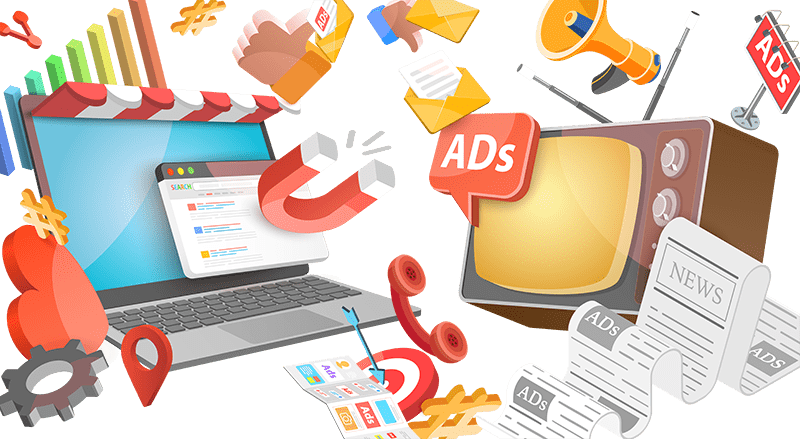
Synergy: the Power of Integrated Marketing Campaigns Take a Holistic View for the Best Results Integrated marketing campaigns stand out as a powerful strategy for brands to cut through the noise and make a lasting impression. By seamlessly combining media channels, such as print, digital, social media, television, and more, brands can create cohesive campaigns that amplify their message and engage consumers on multiple levels. In an integrated marketing campaign, the goal is often to create a synergy among different channels, where each channel complements the others to achieve the overall objectives. For example, a print ad may focus on building brand awareness and recall, while email marketing may be more effective for a direct response. Here are some key considerations when crafting an integrated marketing campaign: Consistent Brand Messaging Maintain a unified brand identity across all channels for better recognition and credibility. Whether it’s a print ad in a magazine, a social media post, or a television commercial, maintaining a unified brand identity with consistent logos, slogans, and visual elements is key. Maximize Reach and Exposure Utilize multiple channels to reach a broader audience and increase brand visibility. Different media channels attract different demographics and psychographics, and by utilizing a mix of print, digital, and other channels, advertisers can extend their reach and tailor their message to specific segments. Cross-Promotion Encourage interaction across channels by including calls to action to other forms of media. A print ad, for example, can include a QR code directing readers to visit a website or social media page for more information. Sequential Storytelling Brands can use different media channels to tell a cohesive story, with each piece of content building upon the last. For instance, a print ad might introduce a product, followed by online videos demonstrating its features, and culminating in a television commercial showcasing customer testimonials. Enhance Brand Recall Integrated campaigns enhance brand recall through repetition and consistency. By exposing consumers to the brand message multiple times across different channels, advertisers increase the likelihood of them remembering the brand when making purchasing decisions. Optimize Marketing Spend By analyzing data and insights from various sources, marketers can identify which channels are most effective in reaching their target audience and adjust their strategies accordingly. Data and insights from various sources play a crucial role in understanding how different channels contribute to overall campaign performance and where to allocate resources most effectively. Agility and Adaptability Integrated campaigns provide the flexibility for marketers to adjust their strategies in real-time based on market trends, consumer behavior, and performance metrics. This agility allows brands to stay relevant and responsive to changing consumer needs and preferences, ensuring the success of their campaigns in the long run. Ultimately, the effectiveness of an integrated marketing campaign lies in its ability to leverage the strengths of each channel in a coordinated manner to create a seamless and engaging experience for consumers, driving both brand awareness and immediate action when appropriate. It’s essential for marketers to take a holistic view of their advertising efforts and consider the cumulative impact of each channel on their consumers’ journey.

Scroll to Top