Total Local Marketing

Author name: Icarus

Click

Clicks That Lead to Connections

From First Click to Lifelong Customer: Mapping the Journey A customer’s journey often starts with a single click. But what turns that click into a lasting connection? For small businesses and community organizations, understanding and nurturing the stages of the customer experience is key to building loyalty and long-term success, understanding the path people take from “just browsing” to “loyal for life.” Make a Strong First Impression It all starts with awareness. Maybe someone sees your business on social media, hears about you from a friend, or finds you on Google. That first impression matters, so make sure your website, Google profile, and social channels are accurate, up-to-date, and reflect who you are. Build Trust and Encourage Action Once they land on your site, it’s time to engage. Is your site easy to navigate? Does it answer their questions? Is it welcoming? Simple design, helpful info, and clear buttons like “Book Now” or “Get a Quote” go a long way in building trust and helping people take the next step. Then comes the conversion, that moment when someone buys, signs up, or reaches out. Fast-loading pages, mobile-friendly design, and a few great testimonials can really seal the deal here. Keep Customers Coming Back After the sale, the retention phase kicks in. Keep the conversation going with thank-you emails, special offers, or even a quick check-in. Great service leads to genuine connections and repeat business. Eventually, if you do it right, customers turn into advocates — people who recommend you to friends, leave glowing reviews, and come back again and again. Every step matters. When you make the journey smooth, helpful, and authentic, you’re not just making a sale. You’re building a relationship that will last, creating a brand that is not only discoverable, but trustworthy and unforgettable.


Local SEO

From Hidden Gem to Local Star!

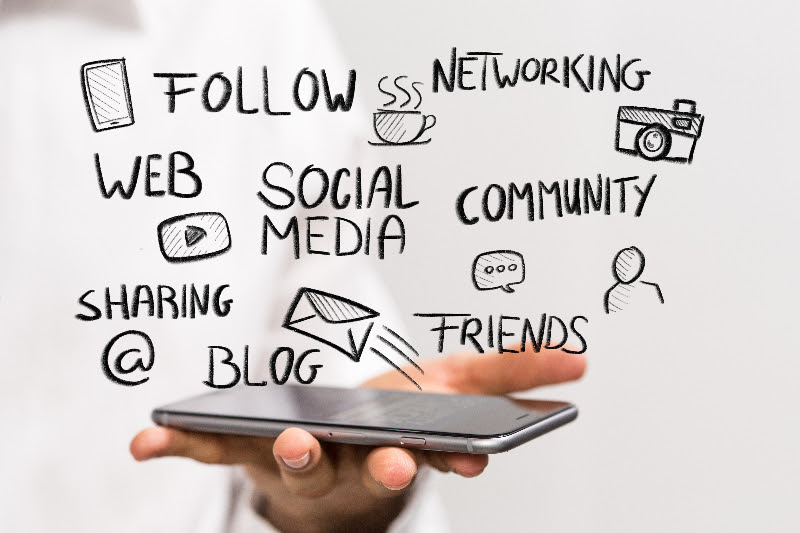
The Power of Local SEO: Get Found by Customers in Your Area When it comes to attracting nearby customers, Local SEO (Search Engine Optimization) is one of the most powerful tools small and mid-sized businesses can use. Local SEO ensures your business shows up in search results when people in your area are looking for the products or services you offer, especially on mobile devices and Google Maps. Optimize Your Google Business Profile A critical first step is claiming and optimizing your Google Business Profile. This free tool puts your business on the map, literally! Make sure your listing is complete and up to date with your address, hours, phone number, website, and service areas. Add engaging photos and respond to questions or reviews to show customers you’re active and attentive. Reviews Build Trust and Visibility Speaking of reviews, they’re a big deal. Positive reviews help build credibility and trust with potential customers. Encourage happy clients to leave feedback and always respond to reviews — both the good and the not-so-good. This shows you value your customers and care about their experience. Keep Local Listings Consistent In addition to Google, make sure your business is listed consistently across online directories, such as Yelp, Bing Places, and local chamber websites. Inconsistent or outdated listings can hurt your visibility and confuse potential customers. Social Media: A Smart SEO Ally Maintaining social media channels for your business is another popular way to increase visibility and SEO. Facebook is very popular with adult consumers, so keeping up with a company Facebook page is a valuable way to communicate, in addition to providing links to your website. Local SEO isn’t just about algorithms. It’s also about connecting with your community. When done right, it helps drive foot traffic, increase calls and clicks, and ultimately grow your business.

Print Materials

Print Packs a Punch!

Print Still Matters: Why Consistent Branding in Print Materials Is Essential In a world full of digital media, it’s easy to overlook the power of print — but for small and mid-sized businesses, printed materials still play a crucial role in creating strong, lasting impressions. Print offers a sense of credibility and reliability, which helps build trust with your audience. From business cards and brochures to yard signs and invoices, every printed piece your business puts into the world is a direct reflection of your brand. Consistency Builds Credibility and Recognition  That’s why consistent branding across all your print materials is so important. When your business card matches the look and feel of your brochures, signage, and even your invoices, it helps build trust and recognition. Customers are more likely to remember your business — and take it seriously — when everything looks polished and cohesive. Think of your printed materials as the “leave-behind” that sticks with people long after the conversation ends. A well-designed business card can spark a follow-up call. A professionally printed brochure can turn a maybe into a yes. Even your invoice, with a clear logo and consistent font, reinforces your professionalism and brand identity. Make a Big Impact with Small Details Small and mid-sized businesses don’t need massive marketing budgets to make an impact — just attention to detail and a commitment to consistency. Matching colors, fonts, logos, and messaging across all formats creates a seamless experience that makes your business look confident and credible. Print materials are memorable, tangible, and create multiple opportunities for customer engagement and they allow consumers to browse your full range of products in a relaxing, physical format. Print Works Well with Digital At the end of the day, print doesn’t compete with digital — it complements it. Adding QR codes, website URLs, and social handles to your print materials bridges the gap and drives people to your online presence. In short, print is far from dead. It’s a trusted, proven tool that builds connections, credibility, and brand visibility in a hands-on way. When done right, print makes a lasting impression and helps your business stand out in a noisy, fast-scrolling world.

AI Search

Smarter Search, Better Results

Optimizing Your Website for AI Search: What You Need to Know As artificial intelligence becomes more integrated into how people search online, it’s changing the way websites need to be built and structured. AI-driven search tools, like Google’s Search Generative Experience (SGE), Bing Chat, and ChatGPT’s web browsing, are designed to understand context, intent, and natural language, not just keywords. That means traditional SEO is evolving, and your website needs to keep up. So how do you optimize for AI search? It starts with making your content clear, conversational, and helpful. AI tools are trained to pull direct answers from web pages, so creating content that addresses common customer questions is key. That’s where FAQ pages come in. Start with Smart FAQs Well-structured FAQ sections provide straightforward answers to the types of questions people type — or speak — into search engines. Include questions and answers in a natural, conversational tone, and be sure to use headers or schema markup so search engines can recognize and display your content clearly. Build Content That Solves Problems   Beyond FAQs, focus on high-quality, informative content that matches your audience’s needs. AI search values pages that are useful, relevant, and authoritative. Consider using how-to guides, service explanations, and product comparisons to provide in-depth value. Don’t Overlook the Technical Stuff Also important: make sure your website is technically sound. Fast load times, mobile-friendly design, clean code, and strong internal linking all help AI understand and index your content effectively. Finally, keep your content updated. AI tools pull from current data, so a fresh, regularly updated site is more likely to be featured in AI-generated results. As AI reshapes search behavior, businesses that adapt early will have the upper hand. Optimizing your website for AI search isn’t just a trend — it’s the future of online visibility.

Website

Why Your Website Still Matters

Why Your Website Is Still Your Most Valuable Marketing Tool In the dynamic field of digital marketing, one tool remains essential for small and mid-sized businesses and organizations: your website. While social media, email campaigns, and online ads are all important, your website is the foundation of your online presence and it still does the heavy lifting when it comes to attracting, engaging, and converting customers. Your Website Is Your First Digital Impression Your website is often the first place potential customers go to learn about your business. It’s where people go when they want to learn more about your products, check your hours, browse your services, or decide whether to get in touch. A well-designed, user-friendly site builds credibility, showcases your services, and helps convert visitors into leads or sales. Mobile Matters The importance of mobile-friendliness cannot be underestimated. More than half of all website traffic now comes from mobile devices. If your site doesn’t look good or function well on a phone or tablet, you risk losing potential customers before they even scroll. A responsive design that is optimized for mobile ensures a seamless experience no matter the screen size. The Power of SEO Then there’s SEO, or search engine optimization. SEO is essential in helping people find your site. If your site isn’t optimized for search engines, customers might never find you in the first place. With smart keyword use, fast load times, and easy-to-navigate pages, your website can show up higher in search results and get seen by more potential customers. Clear Calls-to-Action Turn Visitors into Customers And let’s not forget calls-to-action (CTAs). These are the “Call Now,” “Get a Quote,” or “Shop Now” buttons that guide visitors to take that next step. Every page should have a clear path forward, so your site doesn’t just look good — it gets results. Think of your website as your digital storefront that’s open 24/7. It speaks for your brand, answers questions, and helps convert browsers into loyal customers.So how do you find your “one”? Start by asking: What’s the main thing I want people to know or do? That answer becomes your focus. From there, build your campaign around that message — and let it shine without distractions. Whether you’re running a seasonal promotion or launching a new service, leading with one clear message is the most powerful way to connect, engage, and turn those connections into loyal customers.

Message

Clarity Over Clutter

The Power of One: Why Focusing on One Core Message Works Best In the world of marketing, less is often more, especially when it comes to your message. As a small or mid-sized business, it can be tempting to try and promote everything at once: your services, values, products, team, and customer reviews all packed into one post, ad, or email. But the truth is, trying to say everything usually results in saying nothing clearly at all. That’s where the Power of One comes in. Focusing on one clear, core message — whether it’s a single offer, benefit, or brand promise — helps your audience quickly understand what you do and why it matters. In a world full of noise and short attention spans, clarity always wins. Here’s why it works: 1. Simplicity Sticks People remember simple messages. One strong idea is easier to recall and act on than a long list of features. 2. It Builds Consistency When your marketing materials, including social posts, ads, newsletters, and website, all reinforce the same core message, you create a stronger brand identity. 3. It Improves Engagement When your audience knows exactly what you’re offering or asking, they’re more likely to respond. So how do you find your “one”? Start by asking: What’s the main thing I want people to know or do? That answer becomes your focus. From there, build your campaign around that message — and let it shine without distractions. Whether you’re running a seasonal promotion or launching a new service, leading with one clear message is the most powerful way to connect, engage, and turn those connections into loyal customers.

Local Community Love

Show Your Local Love

Local Love: 6 Smart Ways to Market Your Business in Your Community When it comes to growing your small business, don’t underestimate the power of local connections. Marketing within your community helps build trust, increase brand visibility, and create lasting customer relationships. Here are six smart ways to show your business some local love: 1. Partner with Other Local Businesses Collaborate on promotions, bundle services, or co-host events. It’s a win-win that helps you reach new audiences while supporting fellow business owners. 2. Get Involved in Community Events Sponsor a local fundraiser, join a festival, or set up a booth at a farmers market. Showing up where your customers are builds visibility and goodwill. 3. Join Local Groups or Associations Be active in your chamber of commerce, networking groups, or professional organizations. Not only do they offer exposure, but they also connect you with valuable resources and referrals. 4. Use Local Print + Digital Advertising Together    Combining print (like community magazines or direct mail) with digital tools (social media or QR codes) helps you reach customers both online and offline for maximum impact. 5. Highlight Local Stories on Social Media Share customer spotlights, community news, or behind-the-scenes posts that make your audience feel more connected to your brand and your neighborhood. 6. Encourage & Showcase Local Reviews Word of mouth is powerful. Ask happy customers to leave online reviews and feature them on your website or in your marketing materials. By tapping into your local network, you’re not just promoting your business — you’re becoming a valuable part of the community. And that’s the kind of marketing that lasts.

QR Codes

The Power of QR Codes

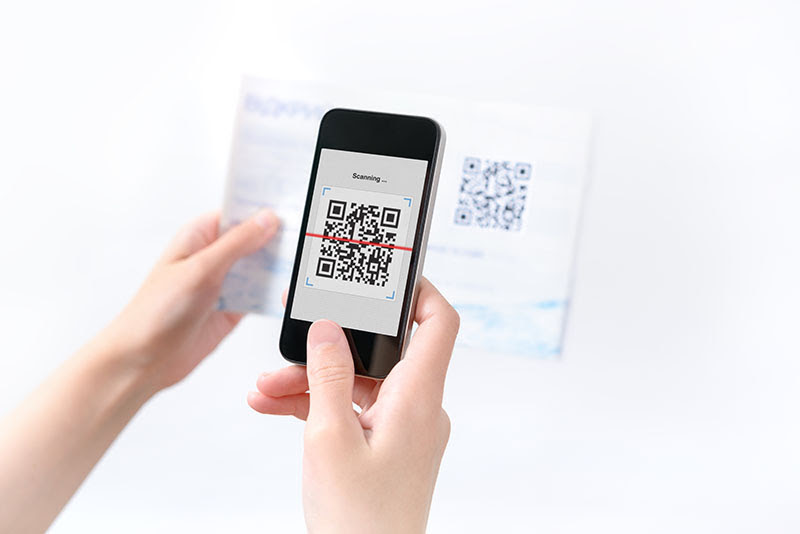
How QR Codes Can Connect Print to Digital For small and mid-sized business owners, finding smart, simple ways to bridge the gap between traditional and digital marketing is key, and QR codes are one of the easiest tools to do just that. QR codes (short for “Quick Response” codes) are those little black-and-white squares you’ve likely seen on menus, flyers, or packaging. When scanned with a smartphone, they instantly direct users to digital content like a website, video, special offer, or contact form. Why QR Codes Work for Your Business They’re Easy to Use – Most smartphones can scan a QR code with the camera app, so no special apps required. They Drive Engagement – You can turn a printed postcard or business card into a gateway to your online store, review page, or email list. They’re Budget-Friendly – Creating a simple QR code is free, low-cost customization and tracking options are available, and printing them on your materials is an affordable way to amplify your reach. Smart Ways to Use QR Codes in Your Print Marketing Print Advertisements: Make your magazine or newspaper ad interactive by linking to special offers, videos, or a contact form. Postcards & Flyers: Link to a limited-time offer, event registration, or online menu. Business Cards: Send people directly to your website, social media, or booking page. Store Signage: Let customers scan for reviews, special promotions, or to join your rewards program. Product Packaging: Include how-to videos, recipes, or care instructions for added value. Pro Tip: Track Your Results  Use a URL shortener or QR code generator that tracks scans. This lets you measure how many people are engaging with your code, and what’s working best. In short, QR codes are a simple, effective way to turn your print materials into interactive experiences that help your customers connect with your business anytime, anywhere.

Data Marketing

Smarter Marketing Starts with Data!

Making Smarter Moves: How to Use Data for Better Marketing Results Let’s be honest—when it comes to marketing, gut feelings only get you so far. If you really want to grow your business and connect with your audience, it’s time to lean into data-driven marketing. Don’t worry, you don’t need to be a numbers wizard to get started. So, what does data-driven marketing actually mean? In simple terms, it’s using real information — like website traffic, email open rates, social media engagement, and customer behavior — to make smarter marketing decisions. Instead of guessing what might work, you’re using actual results to guide your next move. Why It Matters Better targeting – Know who your audience is and what they care about so you can speak their language. Higher ROI (Return on Investment) – Stop wasting money on ads or strategies that don’t work. Put your budget where it really counts. Faster changes – When something isn’t working, your data will tell you. You can tweak things quickly and keep moving forward. Content that connects – Find out what posts, emails, or blogs your audience is loving—and do more of that! How to Get Started  1️. Know your goals: Want more website visits? More leads? Better sales? Start with that. 2️. Pick a few tools: Google Analytics, email reports, and social media insights are great places to begin. 3️. Check in regularly: Make it a habit to look at your data, not just once a year. 4️. Experiment and learn: Try new things, see what works, and adjust along the way. At the end of the day, data isn’t just numbers — it’s your audience talking to you. Listen closely, and you’ll be amazed at what you can learn.

Small Business

Small Business, Big Impact!

How Small Businesses Can Use Influencer Marketing to Increase Brand Awareness If you think influencer marketing is just for big brands with deep pockets, think again! Small businesses can tap into the power of social media by collaborating with local and micro-influencers to get their name out there — without breaking the bank. Why Micro-Influencers? Micro-influencers (those with 1K-100K followers) may not have millions of fans, but what they do have is trust and engagement. Their followers are loyal, engaged, and more likely to take their recommendations seriously. And when those influencers are local? Even better! You’re reaching an audience right in your own community — potential customers who can actually visit your business. The Benefits of Local Influencer Marketing  Affordable & Effective: Many micro-influencers work for free products or small fees, making this a budget-friendly option. Genuine Word-of-Mouth — content feels personal and authentic, leading to higher engagement. Local Exposure: You’re not just reaching anyone — you’re reaching your ideal customers in your area. Increased Brand Awareness: Even a single post can introduce your business to hundreds of thousands of potential buyers. How to Get Started Find the right influencers. Look for local content creators who align with your brand and have a highly engaged audience. Make an offer. Freebies, discounts, or paid partnerships — find what works best for both of you. Let them be creative. Authentic content performs better than overly scripted promotions. Track the impact. Monitor engagement, new followers, and any sales spikes. Influencer marketing doesn’t have to be complicated or expensive. Start small, build relationships, and watch your brand’s reach grow!

Scroll to Top