Total Local Marketing

Author name: Icarus

Email Newsletters

Smart Email Strategies

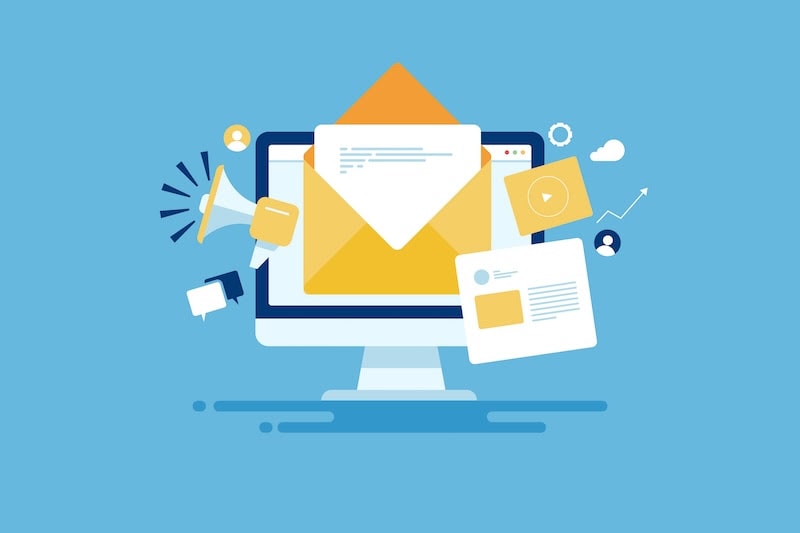
Grow Your Business with Email Newsletters & eBlasts Build or Rent a List, It’s Up to You! Email newsletters and eBlasts are cost-effective ways to connect with your audience, share valuable info, and drive new or repeat business — without breaking the bank. Plus, they give you measurable results to see what’s working! But what’s the difference between an email newsletter and an eBlast? Let’s break it down. Email Newsletters An example of an email newsletter is what you’re reading right now. It is a regularly occurring email with informational content. It can have multiple sections of information. The content you choose for each section depends on your industry. An email newsletter may contain calls to action or promotions, but these are not the sole purpose for sending out an email newsletter. Email newsletters are more about building relationships. Usually you select your audience for your email newsletter from past and current customers, prospective customers, people who attended your event or trade show, people who signup in your store, or people who subscribe on your website. eBlasts An eBlast is different from a newsletter in that it has one specific message. The primary purpose of an eBlast is to elicit an action from the recipient. Some calls to action may include asking the recipient to subscribe to your newsletter, visit your website, make a purchase, or call for an appointment. The call to action depends on your goal for that specific audience. While you can send email blasts to the same people who receive your email newsletter, usually eBlasts are more targeted. You identify one subset of your list that would benefit from the promotion or you rent a list using publicly available data to target an audience. Reputable companies from whom you can rent a list, gather the email addresses through a double opt-in process and scrub their lists regularly. Through list rental you can be very specific as to the audience that you want to target including, demographic data, geographic data, behavioral data, and data about purchase history. Email Newsletters and eBlasts help to push your message out to your specific audience when they may already be engaged in reading their email. In contrast, social media and many forms of advertising provide more impressions, but people may not be actively engaged to perform your call to action at the time they see your message. Receiving messages from your business via email will help your audience engage with you more often. We always see an increase in sales or contacts after an email newsletter is sent out, either by us or one of our clients Need help crafting the perfect email campaign? Start by knowing your audience and delivering value with every send!


Video Marketing

Create, Captivate and Convert

Video Marketing Strategies: Engage Your Audience Like Never Before! In today’s digital world, video marketing is one of the most powerful ways to capture attention and connect with your audience. Whether you’re creating content for social media, your website, or ads, an engaging video can boost brand awareness, drive sales, and increase engagement. But how do you create videos that stand out? Here are some key strategies: 1. Know Your Audience: Before hitting record, think about who you’re trying to reach. Are they looking for entertainment, education, or inspiration? Tailor your content to their interests and pain points. 2. Keep It Short & Engaging: Attention spans are short these days! Aim for 15–60 seconds for social media and under 2 minutes for websites and ads. It’s important to hook viewers in the first few seconds to keep them watching. 3. Optimize for Each Platform: Different platforms have different best practices. Vertical videos work great for Instagram Reels and TikTok, while horizontal videos suit YouTube and websites. Also, remember to use captions since many people watch without sound. 4. Tell a Story: People love storytelling. Instead of just selling and pushing products, create videos that connect emotionally — whether it’s a customer testimonial, behind-the-scenes footage, or a fun, relatable moment. 5. Add a Clear Call-to-Action (CTA): End your video with a strong CTA — whether it’s “Shop Now,” “Learn More,” or “Follow Us” — to guide viewers toward the next step. Video marketing doesn’t have to be complicated — just start creating! The more you experiment, the better you’ll get. Ready to elevate your video marketing? Would you like a custom strategy based on your business and vision? Let’s chat!

Facebook

Facebook Reach Up, Followers Down?

Facebook’s New Algorithm: More Views, Fewer Followers—Here’s What to Do If you’ve noticed a surge in Facebook post reach and interactions but a drop in new followers, you’re not alone. Facebook has tweaked the algorithm to prioritize engagement — showing more content to non-followers — without necessarily driving them to hit the “Follow” button. While this change can help your content gain visibility, it also means converting that exposure into loyal followers requires a more strategic approach. What’s Changing in Facebook’s Algorithm? 1. More Content from Non-Followed Accounts: Facebook is pushing more posts from pages users don’t follow, aiming to surface content based on engagement rather than direct follows. This means your posts may be seen by many people, but they won’t necessarily explore your page. 2. A Shift Toward Video & Recommended Posts: Much like TikTok, Facebook is focusing on Reels and suggested posts to keep users engaged. If your content includes video, you’re likely seeing more reach — but casual viewers might not feel the need to follow your page. 3. User Behavior Has Shifted: People are more likely to engage with individual posts (liking, commenting, or sharing) than to follow a page for ongoing updates. Without a compelling reason, they move on after engaging with your content. How to Convert Reach & Engagement into Followers 1. Make Following an Easy Decision: Clearly ask users to follow your page in post captions, stories, and videos. Use a CTA like: “Love this content? Follow us for more updates!” 2. Optimize Your Profile for First Impressions:  Pin a welcome post or video that highlights why users should follow you. Ensure your bio clearly states what value followers get from your page. 3. Create ‘Follow-Worthy’ Content:  Post exclusive content that followers get first access to. Use behind-the-scenes videos, community spotlights, or interactive Q&A sessions to build connections. 4. Engage More with Commenters: Reply to comments, ask follow-up questions, and encourage ongoing conversations. The more engaged the user is, the more likely they are to follow. 5. Leverage Contests & Giveaways: Require users to follow your page to enter. Example: “Tag a friend and follow us to win!”  6. Experiment with Facebook Ads: Instead of just boosting posts for reach, run targeted follower growth campaigns. Facebook’s changes mean visibility is easier to get, but followers take more effort. By strategically encouraging profile visits and making following a clear next step, you can turn those fleeting interactions into long-term growth. Would you like a custom strategy based on your audience insights? Let’s chat!

Omni-Channel Marketing

One Strategy, Endless Reach!

Omni-Channel Marketing: Creating a Seamless Customer Experience In today’s world, customers interact with brands everywhere—social media, websites, emails, apps, and even in-store. The key to winning their loyalty? Making sure their experience is smooth, consistent, and connected across all platforms. What Is Omni-Channel Marketing (And Why Should You Care)? Omni-Channel Marketing is all about connecting the dots between different channels so your customers get a seamless experience. Whether they start browsing on Facebook, sign up for an email, and then walk into your place of business, their journey should feel effortless and personalized, like one continuous conversation. Why It Works (And Why You Need It!) Consistency is key: No matter where customers engage with your brand, they should see the same message and branding. Better Customer Experience – When things flow smoothly, customers stay happy (and keep coming back). Higher Conversions – A connected experience means fewer lost sales and more happy customers. Smarter Marketing – With integrated data, you learn what works and can fine-tune your strategy. How to Make Omni-Channel Work for You Know Your Customers’ Journey – Where do they interact with your brand? Map it out. Stay Consistent – Keep your messaging and branding unified across all platforms. Use Smart Tech – Analytics tools help track and personalize experiences. Think Mobile-First – Make sure everything is seamless on any device. Test, Learn, Repeat – Use insights to keep improving! Example of Omni-Channel in Action A customer sees an ad or post about a product on Facebook, clicks on it, browses your website, later receives a personalized email reminder, and finally visits your business to purchase—where the staff already knows their preferences. By creating a frictionless and connected customer journey, omni-channel marketing boosts engagement, brand loyalty, and sales. Omni-channel marketing isn’t just a buzzword—it’s how brands build lasting relationships.

High-Value

Win High-Value Clients

Business-to-Business Marketing Strategies to Target High-Value Clients with Account-Based Marketing In today’s competitive Business-to-Business (B2B) landscape, Account-Based Marketing (ABM) is the key to winning high-value clients. Unlike traditional marketing, ABM takes a highly targeted approach, focusing on specific accounts that offer the greatest revenue potential and strategic value. Below are some powerful ABM strategies to engage and convert high-value clients. 1. Identify & Prioritize High-Value Accounts: Use data analytics, business characteristics (firmographics), and behavior indicators that show a prospects intent (intent signals), to identify companies that align with your ideal customer profile. Prioritize accounts based on revenue potential, industry influence, and long-term partnership opportunities. 2. Personalize Content & Messaging: Craft tailored content that speaks directly to each target account’s pain points and business goals. Whether through personalized emails, customized landing pages, or industry-specific case studies, the more relevant the messaging, the stronger the engagement. 3. Leverage a Multi-Channel Outreach: Use a mix of LinkedIn, targeted ads, direct mail, and personalized events to reach decision-makers. An omnichannel approach ensures your brand stays top-of-mind across multiple touch points. 4. Align Sales & Marketing Teams: Close collaboration between sales and marketing ensures seamless communication and a unified strategy. Sharing insights, account intelligence, and personalized outreach plans will drive stronger relationships and conversions. 5. Use Retargeting & Intent Data: Monitor engagement signals such as website visits, content downloads, and social interactions. Retarget high-interest prospects with relevant ads and follow-up content to keep them engaged. 6. Measure & Optimize Performance: Track key analytics like engagement rates, deal velocity, and ROI (Return on Investment) to refine your ABM strategy. Continuous observation and optimization ensures better results and stronger client relationships over time. Maximize Impact: Start Targeting High-Value Clients with ABM Today By implementing these ABM strategies, you can attract, engage, and convert high-value B2B clients more effectively, creating valuable relationships and engagement. Ready to take your marketing to the next level? Start targeting smarter with ABM today!

Marketing with AI

Power Your Marketing with AI

AI in Marketing: Transforming Customer Service, Content Generation, and Data Analysis Artificial Intelligence (AI) is reshaping the way businesses approach marketing, offering greater efficiency, more personalization, and deeper insights than ever before. Here’s how AI is making a significant impact on customer service, content generation, and data analysis. 1. AI-Powered Customer Service: Customer expectations for quick and personalized responses are higher than ever. AI-driven chatbots and virtual assistants are stepping up to handle basic inquiries, troubleshoot issues, and provide 24/7 support—all without human intervention. By automating routine responses and understanding customer sentiment, AI helps businesses provide faster, more efficient service while freeing up human agents for more complex tasks. 2. AI in Content Generation: Creating high-quality content at scale is a challenge, but AI-powered tools are changing the game. From generating drafts for blog posts and product descriptions to crafting personalized email campaigns, AI can produce relevant, engaging, and SEO-optimized content in mere seconds. AI also assists in A/B testing subject lines, social media posts, and ad copy, helping marketers boost customer engagement and boost sales. 3. Smarter Data Anaysis & Insights: AI can process vast amounts of customer data, market trends, and campaign performance metrics far more efficiently than humans. With AI-driven analytics, businesses can predict customer behavior, identify buying patterns, and personalize marketing efforts for maximum impact. AI enables real-time decision-making, helping marketers optimize ad spend, target the right audiences, and improve a business’s return on investment (ROI). The Future of AI in Marketing As AI technology continues to evolve, businesses that integrate AI-driven customer service, content generation, and data analysis will gain a competitive edge. By automating processes and leveraging insights, AI helps companies engage customers more effectively and drive smarter marketing decisions.

Updated

Stay Current, Stay Competitive

Why Keeping Your Website Updated is Essential In today’s digital world, your website is often the first impression your customers have of your business. For small and medium-sized businesses, keeping your website updated, relevant, and optimally efficient is key to attracting and retaining customers. If your site is outdated or difficult to navigate, you could be losing potential sales without even realizing it. Reasons to Regularly Update Your Website Builds Credibility & Trust: A well-maintained website signals professionalism and reliability. Outdated content, broken links, or slow load times can make your business seem inactive, out of touch or unreliable. Improves User Experience: These days, customers expect fast, mobile-friendly, and easy-to-navigate websites. Regular updates ensure visitors find the information they need quickly, leading to more views and eventually, sales. Boosts SEO (Search Engine Optimization) & Online Visibility: Search engines favor fresh, relevant content. Updating blog posts, service pages, and keywords can improve search rankings, helping more potential customers find you online. Enhances Security: Outdated websites are more vulnerable to security threats. Keeping your software, plugins, and security measures updated protects your business and customer data, giving you peace of mind and protecting valuable information. Reflects Business Growth: As your business evolves, so should your website! Whether adding new products, updating pricing, or improving branding, an up-to-date website ensures your customers have the most current information. Don’t let an outdated website hold your business back. Keep your company competitive and engaging with regular updates that enhance performance and customer experience.

Trust

Build Trust, Boost Recognition

The Importance of Branding Consistency Across All Platforms In today’s fast-paced and highly competitive market, branding consistency is critical to building trust, recognition, and loyalty with your audience. Whether online or offline, keeping your brand’s messaging and visuals uniform ensures a cohesive identity that resonates with customers and reinforces your credibility. Why Branding Consistency Matters Builds Recognition: Consistent use of logos, colors, fonts, and tone helps your brand become instantly recognizable. When customers see the same branding across your website, social media, business cards, and print advertisements, it reinforces your identity and leaves a lasting impression. Establishes Trust: Inconsistent messaging or visuals can confuse or alienate your audience. A unified brand creates a sense of professionalism and reliability, making it easier for customers to recognize and trust you. Amplifies Marketing Efforts: Cohesive branding ensures that your message is clear across all platforms, maximizing the impact of your marketing campaigns. Whether it’s an email newsletter, social media ad, or website copy, consistency ties everything together seamlessly. Tips for Maintaining Brand Consistency Create a brand style guide: Outline your logo usage, colors, typography, tone of voice, company vision and message, and imagery guidelines. Synchronize online and offline channels: Your website, social media profiles, print materials, and signage should all reflect the same design and messaging. Check in regularly: Periodically review your platforms to make sure your branding remains consistent and up to date. Consistency isn’t just about looking good; it’s about building a strong, trustworthy connection with your audience. By presenting a cohesive brand identity, you set yourself apart from competitors and create a lasting impression that drives loyalty and growth.

Magazines

Everyone’s Door, Your Message

Print Powers Connection: Reaching Your Community in a Fragmented Media World In today’s media landscape, reaching a broad audience has never been more challenging. Streaming platforms, social media algorithms, and niche digital channels divide audiences, leaving advertisers struggling to cut through the noise. While print advertising — especially in community magazines and business directories distributed through Every Door Direct Mail (EDDM) — offers a proven solution. By delivering physical materials directly to every household, print connects with everyone in the community, ensuring your message reaches its mark. Reliable Community Coverage  Unlike digital campaigns, which depend on algorithms and user behavior, print materials are delivered directly and reliably. This ensures comprehensive community coverage, making it an ideal choice for businesses aiming to connect with all demographics in a community. Magazines and directories can cut across generational and digital divides, providing broad and inclusive reach. Community Magazines Lend Depth and Trust These publications are often kept, revisited and shared, giving your message a lasting presence. Readers engage with magazines not just for the ads but for the stories and local insights, creating a stronger connection between businesses and their audiences. Magazines allow advertisers to integrate their messages seamlessly with valuable community content, fostering trust. Business Directories are Practical Print Advertising  Often print publications include a business directory. These year-round resources ensure your business is easy to find when someone needs local services. Their organized and accessible format, combined with the credibility of being included in a trusted local resource, makes directories indispensable. Print is Tangible while Digital is Fleeting A physical presence in the hands of your audience means greater memorability and less competition compared to crowded digital spaces. Print appeals to a wide range of people, from those who appreciate its traditional format to those who value its uniqueness in a digital world. By integrating community magazines, business directories, and EDDM, print advertising provides a unified approach to a fragmented media environment. It ensures broad reach, builds trust, and delivers long-lasting impact. For businesses aiming to establish meaningful connections and rise above the digital clutter, print remains a reliable and effective choice.

Personalization

Boost Engagement with the Magic of Personalization!

The Power of Personalization in Marketing: Leveraging Data to Create Impactful Campaigns In a world where customers are inundated with information, personalization has become essential for cutting through all the digital noise. Personalized marketing allows you to tailor your messages to individual customers, making them feel valued and understood. By leveraging data effectively, businesses can create tailored email campaigns, personalized website experiences, and targeted ads that resonate deeply with their audience. When customers feel valued and understood, they are more likely to pay attention and show their brand loyalty to your company. Personalizing Email Campaigns Email is a powerful direct communication tool, and personalization can significantly enhance its impact. Start by understanding your audience and segmenting them based on behavior, demographics, or preferences. For instance: Send product recommendations based on past purchases. Offer location-specific promotions or discounts. Personalize subject lines, greetings, and content based on previous interactions. Personalized content, like addressing the recipient by name or mentioning recent interactions, adds relevance to emails. Automation tools enhance this by sending timely messages, such as cart abandonment notifications or re-engagement campaigns, ensuring each message is delivered to the right audience at the perfect moment. Personalizing Website Experiences Your website is often the first interaction potential customers have with your brand. Using cookies, browsing behavior, and purchase history, you can tailor the user experience to individual preferences. Dynamic website content allows businesses to: Highlight products a user has previously viewed. Show location-specific shipping options or pricing. Offer promotions aligned with the user’s browsing habits. Interactive elements, like quizzes or recommendation engines can guide visitors to products that suit their needs. Additionally, creating customized landing pages for different audience segments improves the user journey, boosts engagement, and increases the likelihood of conversion. Personalizing Ads Targeted advertising is crucial for reaching the right audience. Behavioral targeting enables businesses to retarget users who showed interest but didn’t purchase, while contextual ads align with the content users are browsing. Geotargeting leverages location data to offer promotions or services specific to the user’s area. This works especially well for local businesses or events. Platforms like Facebook and Google also enable lookalike audience targeting, helping you expand your reach while maintaining relevance. Key Data Sources for Personalization As far as best practices for leveraging data, it’s important to respect privacy. Always comply with data privacy regulations and be transparent about data collection and usage. Some important sources include: CRM Systems: Store detailed customer information for segmentation and targeting. Web Analytics: Track user behavior, such as time on site and pages visited. Email Engagement Metrics: Analyze open rates, click-throughs, and preferences. Social Media Insights: Use demographic and behavioral data from platforms like Facebook or Instagram. E-Commerce Data: Leverage purchase history, cart activity, and product views. Final Thoughts Personalization in marketing isn’t just a luxury; it’s a strategy for success. By leveraging customer data thoughtfully, businesses can deliver meaningful, personalized experiences through email campaigns, websites, and ads. The result? Engaged audiences, stronger customer relationships and a competitive edge in the marketplace.

Scroll to Top