Total Local Marketing

Author name: Icarus

Programmatic Advertising

What’s Programmatic Advertising?

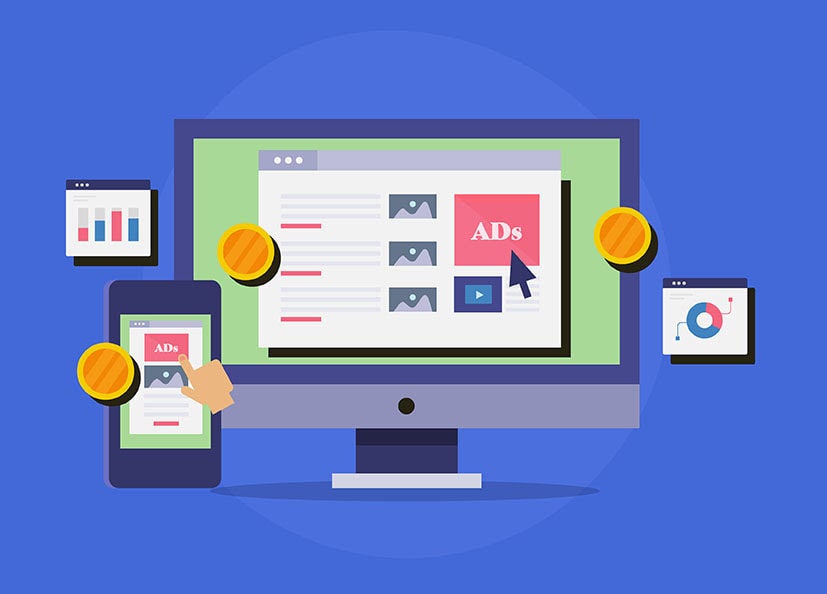
Programmatic Advertising: Reach Your Target Audience with Greater Precision What Is Programmatic Advertising? Programmatic advertising is an algorithmic process of buying and selling ad inventory in real-time across a network of media, information, and entertainment websites and apps. Rather than a direct buy, where an advertiser places an insertion order with a publisher, programmatic enables advertisers to place many buys across many sites and apps, all in real-time. This buying style is made possible with demand-side platforms (DSPs). These platforms use complex mathematical formulas that evaluate advertising goals, inventory data, third-party consumer data, ideal ad formats, bidding preferences, and consumers’ online behavior patterns to create an efficient, cost-effective buying strategy. Real-Time Bidding: What’s That? Just like it sounds, real-time bidding automates the buying of ad space in real-time based on information gathered about the page and the user. This information is passed to an ad exchange, where ad inventory is sold to advertisers via auction. How Real-Time Bidding Works It’s as easy as 1, 2, 3, 4: Advertisers decide which audiences they want to target with their ads based on audience data, existing customers, or new prospecting audiences. When a website user visits a web page, information about that visitor is reported back to the ad exchange. If the website user matches the target audience defined by the advertiser, the advertiser will then enter an auction, competing against other ads for the same audience. The ad with the highest bid is then shown to that website user on the site during that user’s visit. This whole process occurs in milliseconds, millions of times a day all across the web, mobile, and in-app.Hyper-Targeting Powered by Data Programmatic advertising allows advertisers to reach a relevant audience with greater precision due to automated bidding based on real-time data. This kind of data-driven targeting is not possible with traditional or linear advertising that’s bought direct, or ahead of the user’s action. The more targeted and thoughtfully the campaign is built, the more engagement and better performance for the advertiser.
QR Codes

Using QR Codes & Call Tracking Numbers

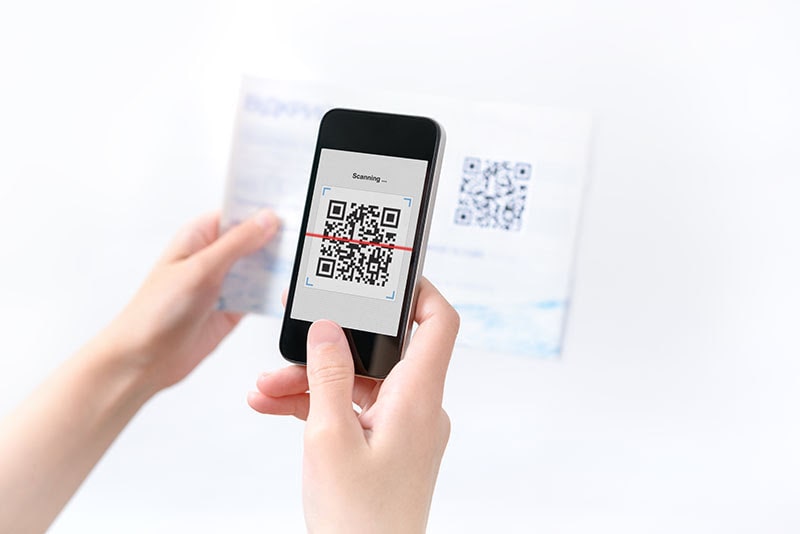
QR Codes and Call Tracking Numbers: Useful Tools to Test Your Advertising & Marketing Campaigns You Can’t Optimize What You Don’t Measure Call tracking numbers and QR codes can measure the effectiveness of various adverting and marketing campaigns, especially print media. These technologies provide valuable insights into audience engagement and can help you optimize your campaigns for better results. They are also more reliable than trying to remember to ask customers how they heard about you. Call Tracking Numbers Call tracking numbers are unique phone numbers assigned to specific marketing campaigns or channels. Each of the numbers are forwarded to your main business number. Through call tracking software, you can track the calls to measure the success of your advertising efforts. By analyzing call data, such as call duration, location, and conversion rates, you may gain valuable insights into which ads are driving the most leads or sales. QR Codes QR codes, on the other hand, are two-dimensional barcodes that can be scanned using smartphones. They direct users to specific web pages, landing pages, or promotional content. You may incorporate QR codes into print materials such as posters, flyers, and magazine ads to bridge the gap between offline and online marketing efforts. By tracking QR code scans, you can gauge your audience’s interest and monitor the effectiveness of your print campaigns in driving online engagement. Both call tracking numbers and QR codes offer several benefits for measuring marketing effectiveness: Data-Driven Insights: You can access detailed analytics to understand audience behavior, demographics, and preferences, enabling you to make informed decisions about future campaigns. Continuous Optimization: You can track and measure the performance of your campaigns in real-time to identify underperforming campaigns and make adjustments to improve their effectiveness, whether it involves tweaking ad copy, adjusting targeting parameters, or reallocating resources to more successful channels. Measuring ROI: By tracking leads and conversions generated through call tracking numbers and QR codes, you can calculate the return on investment (ROI) of your marketing efforts and allocate budgets more effectively. By harnessing the power of QR Codes and Call Tracking Numbers, you can more accurately measure the performance of print and other forms of media. With these tools, you can gain deeper insights, enhance campaign effectiveness, and ultimately drive better results from your marketing efforts.

Organic Social

What’s Paid Social vs Organic & How Can Social Help Your Bottom Line?

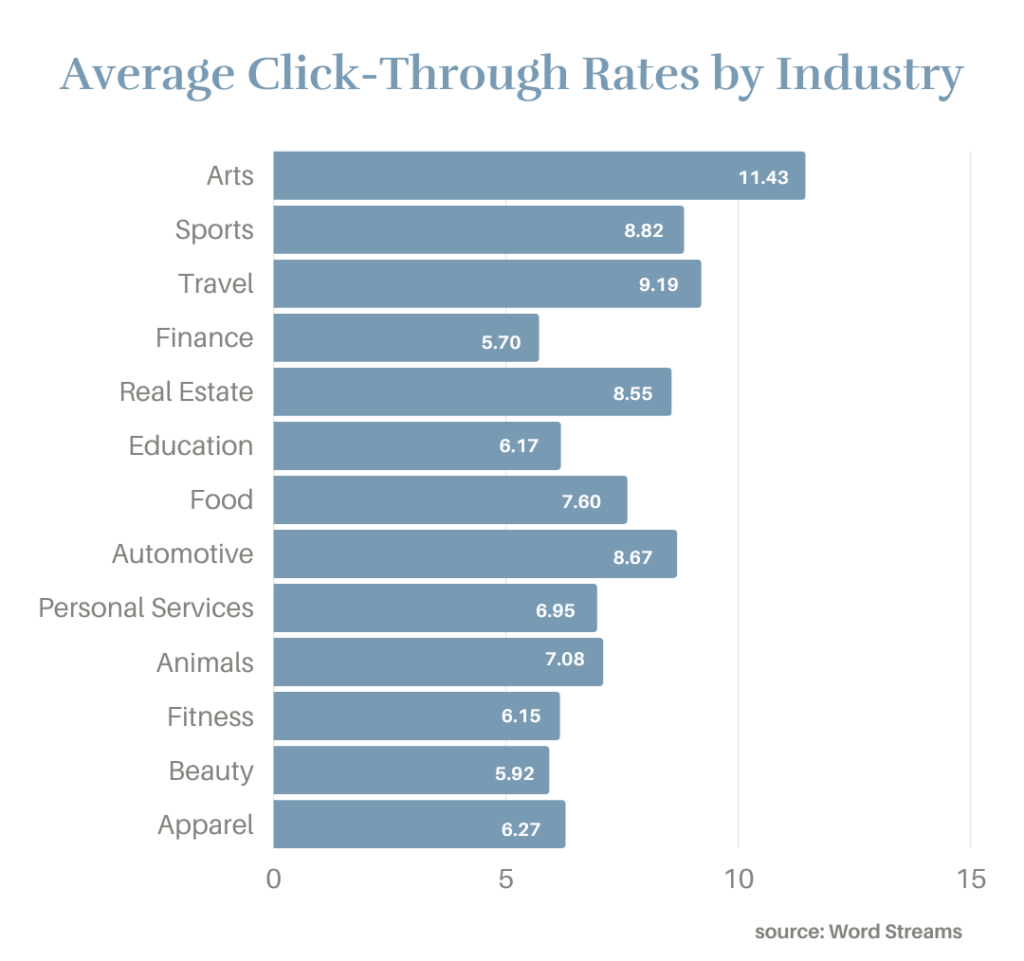
Social Media is Becoming “Pay to Play” What’s a Good CTR for Paid Traffic Campaigns? Paid Social Media vs. Organic Social Media: What’s the Difference? This year, new statistics and data have highlighted the undeniable power and potential of paid social media to help your business achieve marketing objectives. So, what’s the difference between organic and paid social? Aren’t they both just social media? Well yes, but it’s a bit more complicated than that. While both are forms of social media, they have different purposes, origins, and uses. Organic Social Media Building and engaging with an audience on social media platforms through non-paid methods is organic social media. This involves creating and sharing content on your brand’s social media profiles without using advertising budgets to boost visibility or reach a broader audience. Organic social media relies on the natural engagement and interactions of your existing followers and those who come across your content without any paid promotion. Unfortunately, organic social media results in limited visibility from your fans or followers.  The average post is seen by just 2.6% of a business’s followers. Organic still plays an important role in the presence of your business. Just think, if you were researching a local company and checked their Facebook page, how would you feel if their last post was from 2019?  Not good, right? Organic posts help your most loyal as well as potential customers know you are a thriving, active business. Paid Social Media Paid social media is when a business strategically pays to boost posts, run ads and achieve specific marketing objectives. There are many benefits to using paid social media in your marketing mix: Targeted Advertising: Paid social media platforms provide incredibly detailed targeting options. You can reach specific demographics, interests, behaviors, and even custom audiences, ensuring your ads are seen by the most relevant audience. Measurable ROI: You can track and measure the performance of your paid social media campaigns in real-time. This level of data-driven insight allows for continuous optimization, ensuring every dollar spent delivers measurable results. Personalized Experiences: Paid social media enables you to deliver personalized content to individual users. This personalization fosters deeper connections with your audience, increasing the likelihood of conversion and customer loyalty. Competitive Edge: Paid social media allows businesses of all sizes to compete on a level playing field. Small businesses can use targeted ads to go head-to-head with larger competitors. As advertisers, embracing the potential of paid social opens the door to a wealth of opportunities for connectivity, engagement, and triumph in the digital era. Therefore, as you venture into Q2 of 2024 and beyond, try to harness the capabilities of paid social media ensuring that each click, like, and share contributes meaningfully to your bottom line.

Content

Boost Your Visibility with Fresh Content

Fresh, Quality Content Is Key The Importance of Regularly Adding New Content to Your Website As a business owner, it may be tempting to think that once you have a good solid website for your company, you can just sit back with a sigh of relief and let it be. But that would be depriving your business of one of the most effective ways to boost your visibility online: regularly creating fresh content.  Search engines like Google love fresh and relevant content. Regularly updating your website with new content sends a signal to search engines that your site is active and trustworthy, allowing your site to come up higher when someone searches online. This way, new content dramatically improves your site’s SEO (search engine optimization), which in turn drives more potential customers to your website. You may wonder, what exactly is fresh content? Content is any form of media that shares relevant and useful information. Fresh content informs, teaches, or entertains the people who see it. For example: Blog articles: Adding new blog articles to your website on a regular basis is one of the best ways to improve your SEO, plus inform your readers about different aspects of your business. This also gives you a chance to incorporate valuable keywords into your website, allowing search engines to help readers find your business more quickly. Videos: Relevant videos about the products and services your company offers are entertaining and informative. They can help your website stand out from your competition and also improve your SEO. Images and Image Galleries: Great photos enhance the user’s experience and inform consumers about your company’s products and services. Also, if you use captions and tags with your photos, this adds relevant keywords to your website, allowing search engines to point more users your way.

Website

Why Every Business Needs a Website

Why Every Business Needs a Website Many small business owners ask, “Since I have a small business and we don’t sell anything online, do I really need a website?” The answer is a resounding YES!! A website gives your business significant advantages. Research shows that 97% of consumers search for local businesses online. Also, a website is your property, so you have the freedom to decide what you want to promote and how you want it to represent your business. A website gives you visibility. With so many people searching for information online, having a website increases the chances of customers coming across your business. A website increases your credibility. A professional website helps customers take your business seriously. It shows you have invested in your company and you want to spread the word and grow. A website allows you to compete with other businesses in your field. If your customers can’t find you online, they will find someone else. But if your website is more appealing and usable than the websites of your competitors, you gain an edge. A website is like a digital brochure or gateway to your business. A compelling website creates a positive first impression of your business. Plus, because you can update it and change it periodically, you can keep it current while educating consumers about your products and services. A website is a place where you can showcase your best customer testimonials and positive reviews. This is a very effective way to establish trust and what marketers call “social proof.” Many consumers use customer reviews as a way to research the reliability of a company. If they see authentic positive reviews on your website, they are more likely to trust in your products and services.

Off-Site SEO

Off-Site SEO Tips

Off-site SEO Spreads the Word and Gets Your Business Noticed, Both Digitally and Locally Search engine optimization (SEO) is a key way to get your business noticed. SEO isn’t just one tactic, but a combination of efforts that work together to build your company’s visibility. Regardless of what product or service your business offers, your target customers are likely using online search engines like Google to get information about it. Sources say that more than 8 out of 10 consumers look for businesses online using search engines. Off-site SEO consists of actions you take (other than advertising) to promote your website on various online platforms. This strategy is sometimes referred to as building legitimate inbound links from trusted sources. Not only does this make your business easier to find through other channels, but it also boosts your SEO ranking with Google, making your website come up more prominently when an online search is conducted. Directories – Registering your company with national and local directories also falls into this category, and is one of the most important ways to connect with your community. Reviews – Garnering positive reviews on Google, Yelp, and other review sites is great, as this creates ways for consumers to learn about your company, plus the review sites provide links leading back to your website. Social Media – Maintaining social media channels for your business is another popular way to increase visibility and SEO. Facebook is very popular with adult consumers, so keeping up with a company Facebook page is a valuable way to communicate, in addition to providing links to your website. There is no doubt that Search Engine Optimization helps increase visibility, which in turn draws more customers to your company. It takes some work to implement these strategies, and it can take some time to build your SEO ranking, but it will be well worth it in the long run.

Display Advertisers

Digital Enhancements for Our Display Advertisers

Our Display Advertisers Get Found Online Total Local Community Guides are an effective advertising media for our display advertisers since they are sent to every resident in a community through Every Door Direct Mail. However, since so much of our world has become digital, we also want to help our display advertisers get found online. That’s why we’ve recently launched new digital enhancements for all of our print advertisers. With a display ad, our advertisers also get these items online: A featured listing of each display ad on every community website page in which they advertise. A unique business profile page on our website with their contact information and ad. We also publish each community guide in a flippable format online at ISSUU.com and link display ads back to advertiser websites. 3 posts per year on our Total Local Facebook page for each community in which they advertise. These posts point back to advertiser websites and include their contact information. NEW! We’ve added enhanced Business Profile Pages on our website for any display advertiser that purchases a half page and above for free! Or, if you are a smaller display advertiser or would just like to be an advertiser on the website for a particular guide, you may purchase an Enhanced Business Profile Page. Enhanced Business Profile Pages on Total Local Our website includes a section for each of our communities where we publish a Total Local Community Resource Guide. On the Community Guide Page, we include an image of all of our display advertisers, which is clickable through to their Business Profile Page. Any of our advertisers that purchase the equivalent of a half page or above in display advertising in our books receives an Enhanced Business Profile Page. The enhancements include digitizing their ads by inserting key words of their products and services on the page. We can also add more text information that the advertiser provides. Plus, we link back to the advertiser’s website, google listing, or social media accounts. All of this helps contribute to the advertiser’s overall search engine optimization. We’ve started rolling these improvements out this fall with our summer guides, starting with Mason. Moving forward we will be adding these enhanced pages to each new Community Resource Guide. Total Local Community Facebook Pages For all of the communities where we publish a guide, we also host a community resource page on Facebook. This page not only features each of our display advertisers (for free) three times per year, but we also repost community events, local news, and more. Our pages for each community are not meant to compete with other community Facebook pages and groups. They are simply another way for local businesses and community information to reach more people on Facebook. These days, local information often gets drowned out by well-funded news sources and big-name brands. With Total Local Facebook pages, we focus on the businesses and events in your own community. We know that fostering a community connection helps businesses become more recognized by their customers. Creating a sense of community also encourages people to shop local, building up the community’s economy and creating a win/win situation for both residents and business owners. So, advertising with Total Local covers all your bases. Through our printed guides and our community Facebook pages, we provide you with a multi-faceted approach to reaching your audience. Your display ad in our Total Local Community Resource Guides will reach people in their mailboxes via Every Door Direct Mail. In addition, by giving our advertisers exposure on our community Facebook pages and with our Enhanced Business Profile Pages on our website, we have also provided them with a crucial way to be found online! Contact Us If you’re interested in advertising in Total Local’s Community Resource Guides or in an Enhanced Business Profile on our website, please contact us at 517-663-2405.

Community Resource Guides

Print Continues to Provide a Return on Investment

Print Ads are More Memorable and Lend Credibility Print continues to be a strong advertising media, despite all the naysayers. Though we all know that print is not an up-and-coming marketing channel, its benefits are essential and have stood the test of time. Print continues to be a crucial way to reach your audience. Research shows that people still respond to direct mail at cost-effective rates. Print is tangible in a way that electronic communication is not. Plus, with the advent of email, there is less and less in a homeowner’s mailbox for advertisers to compete with, making your print advertisement more likely to be seen. And, because of the valuable information in our community resource guides, they are more likely to be kept all year long for reference, unlike other forms of direct mail. Print Inspires Trust One of the most important benefits of print media is the trust factor. A recent survey by MarketingSherpa finds that 82 percent of U.S. internet users trust print ads when making a purchase decision, more than any other form of advertising. Maybe it’s because of the timeless nature of seeing something in print, but a print ad is a great way to give your brand a classic sense of credibility. Plus, because it is something they can actually hold in their hands, people are more likely to remember an ad they have seen in print. Print’s Target Audience Despite the prevalence of digital options, many people still reach for paper when searching for local information. We’ve come across recent research regarding directory advertising that shows that 46% of people still start their searches in print, rather than online. Also, a majority of the people searching in print are in the 55 plus age group, who happen to own 75% of the nation’s wealth. If this is your target audience, you’re missing out on reaching a large segment of these folks when they are searching for a business if you aren’t advertising in print. Our Readers See Your Ad More Than Once Because our community resource guides are used as a reference for lots of valuable local information, some readers will see your print ad on a regular basis.  And, because the guides are sent to local households in your community, it is easy to know you are reaching your target audience. In a recent survey, we found that 22 percent of respondents use our guides at least weekly, 33 percent use them monthly, 28 percent use them occasionally, and 17 percent look through them at least once. With a majority of respondents using our directories more than once, advertising in Total Local Community Resource Guides is not only a great way to reach customers, but also helps provide each community with valuable local information about their government, schools, emergency services, organizations, history, parks, and more! At the end of the day, print is still one of the most powerful and lasting ways to reach your audience and promote your business. The tangible, timeless benefits of print advertising are here to stay. Contact Us If you’re interested in advertising in Total Local’s Community Resource Guides, please contact us or call 517-663-2405.

Online Reviews

Online Reviews Provide Social Proof for Your Company

In this day and age, most consumers research about a company online before making a purchase or choosing a service. Whether they are ordering a product over the Internet, researching an in-store purchase, or looking for a service like a doctor’s office, chances are the potential customer will check out a company’s online reviews to see how it measures up. Online reviews are an important way for people to learn about your business, and if your reviews are genuine and mainly positive, they can be a huge asset in attracting customers. Authentic, positive online reviews can be one of the best forms of advertisement available. Research from Bright Local shows that 86% of people read online reviews for local businesses and 91% of consumers ages 18-34 trust online reviews as much as personal recommendations. With that in mind, having a collection of mainly positive reviews of your business is essential. There are many different platforms for customer reviews, but since Google and Facebook reviews are the most popular and most visible, those are the focus of this article. Sometimes Satisfied Customers Just Need a Little Nudge Sometimes a satisfied customer will be motivated enough to leave a glowing review of your company on their own, either on Facebook, Google, or another platform. But often, customers need a little reminding or nudging to leave reviews. How can you build up your body of online reviews, while still keeping them authentic? There are several ways. 1. Online Directory Listings: Make sure your company’s profile is listed in the biggest review channels, Facebook and Google. Update your Google My Business Profile and make sure the Facebook page for your business is up-to-date and current. That way potential customers can find your business online, and satisfied customers can leave positive reviews for others to see. 2. Follow the Rules: There are a couple of rules about reviews to keep in mind, to keep your company in good standing with Facebook and Google. While it is okay to ask for reviews, it is not okay to offer customers incentives for positive reviews or to hire third-party services to solicit or create inauthentic reviews. These guidelines are commonsense ways to ensure that the reviews about companies are genuine. 3. Ask for a Review: The most basic way to encourage positive reviews is to consistently provide excellent service. However, sometimes even happy customers need a little reminder. Asking them in person, over the phone, or via email is acceptable, depending on the ways your company typically communicates with its customers. If you are sending an email with a request for a review, it’s helpful to include a link or a badge that goes directly to the review pages to make it easy for the customer to simply click on the link. Add a request for a review on your business card or other printed communications as well. 4. In-Store or In-Office Reminders: Another way to gently remind customers about leaving a review is to post a sign in your store or office. All it takes is a simple sign near the checkout counter or the door, thanking them for being a customer/patient/client, etc., and asking if they would consider leaving a review on Facebook or Google, to help others learn about your company’s services. Responding to Reviews Builds Your Company’s Character In addition to requesting reviews, it is very important to respond to online reviews. If consumers see that you are reading your company’s reviews and creating a dialogue with customers, they will be more likely to see the reviews as genuine and to see your company as one that cares. Of course, once in a while every company, even the best ones, makes mistakes and ends up with an angry customer and a negative review. If you receive a negative review, it’s best to try to rectify the problem and respond to the review as soon as possible. Even if you are annoyed or outraged about a negative review, it’s always wise to remain professional; respond with understanding and compassion, and don’t let revenge or anger get the better of you. According to researchers, if potential customers see that your business is doing its best to address the stated problem, you will show your business to be sincere and caring, which is something consumers appreciate. Online Reviews Help Shoppers Become Loyal Customers With customer testimonials and your company’s responses, online reviews are an important way for consumers to learn about your company and your company’s level of customer service. By building your body of reviews and responding to them, you will create a way for savvy consumers to verify your company’s character, turning those who are shopping around into new customers. If you need help with directory listings or in setting up your Google My Business or Facebook page, Total Local now offers these services. We also provide monthly Facebook page management and can help you design and develop email marketing, business cards, and other print materials. Talk with your sales representative or call us at 517-663-2405 for a free marketing consultation today!

High Resolution

The Importance of High Resolution Images for Print

High Resolution Images Versus Low Resolution Images When working with photos, it is important to know that there is a difference between how they look online versus how they look when they are in print. That is because digital media works differently than print media. This can be confusing, because the world of digital photography has made it so easy to take photos and post them online. A photo can look great on your computer screen, or on your phone’s Facebook feed, yet when it is printed out, that very same photo might look blurry or choppy. The reason for this difference between online photos and printed photos is in the resolution of the image. Resolution describes the amount of detail an image has. The higher the resolution, the more detail. Photos that are intended for online viewing don’t need nearly as high resolution as photos intended for print. In fact, low resolution images are actually preferred for online, since they take up less file space and load more quickly. But, these low resolution images are very difficult for designers trying to make them look good in print. One quick way to know if a photo is going to look pixelated in print is to zoom in on it. If it starts to look blurry or choppy as you zoom in, that’s a good indication that it is a low resolution image: fine for online, but not so good for print. About Resolution, Pixels, & Dots per Inch Also, some basics about resolution might help you decide if your photo is fit to print. There are a couple of terms people use to describe resolution. One of them is “pixel.” Pixels are used to describe how much detail or information an image has. The more pixels, the more detail. When an image doesn’t have a high amount of pixels, it will appear “pixelated,” where the image looks like a bunch of squares joined together. (Kind of like the earliest video games used to look!) With printed images, a common term people use to describe resolution is DPI, or “dots per inch,” referring to the tiny dots on paper that make up an image. A pixel in a digital image is the equivalent of a dot in a printed one. Many online photos are 72 DPI, and they look really good on a computer monitor or a phone screen. However, 72 DPI is considered low resolution for print media, and would look blurry and pixelated when printed. If you want a photo to look sharp and vivid when printed, a general rule of thumb is that it should be at least 300 DPI. To give you an idea of the size of file a high resolution photo would be, a 3 x 5 inch photo, at 300 DPI, is usually about 1 MB (megabyte), while a full page photo, at 300 DPI, is usually about 3 MB. Sometimes it can be easier to figure out the size of photo you need by measuring your pixels. If you don’t mind a little math, you can convert from pixels to DPI pretty easily, to help you with sizing your photo. For example, if you want a 4 x 6 inch printed photo to have 300 DPI, your photo would need to be 1200 (4 x 300) pixels on its short side, and 1800 pixels (6 x 300) on its long side. So, it needs to be at least 1200 x 1800 pixels in size. When in Doubt, Save In Higher Resolution When in doubt, if you know your photo is going to be used for print, save it in the highest resolution format you can. Your graphic designer can always reduce the size of your photo, but it’s very hard to increase the size and the resolution, while maintaining the quality. And while viewing and sharing photos online is quick, fun, and easy, there is nothing like having that same photo in a more permanent format like print, either for an advertisement or for your own personal memories. At Total Local, because our directories are printed, we will need high resolution images and artwork. So please send us your highest resolution logo and photos. We usually cannot pull images from your website or facebook pages and use them in print, because they normally are lower resolution for online media. If you have any questions about whether or not a photo or artwork is high enough resolution, please open it in a photo viewer to look at the dimensions, pixels or DPI. When in doubt, the higher the file size, the higher the resolution. For photos, anything less than one megabyte is usually too low resolution for print. If you have any questions about your files, one of our sales representatives will be happy to assist you.

Scroll to Top